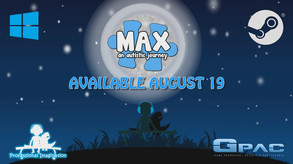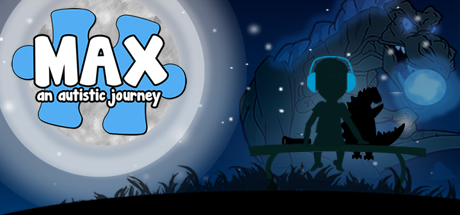
Max, an Autistic Journey is a retro style top-down turn-based RPG filled with mini games, monsters and most of all, heart. Developed by a devoted dad who made a game with his son about his son's autism.
Modeled estimate, not a reported figure. How we estimate →
About


Stats
All-time low is the lowest price we've recorded for this game since we started tracking it.
Languages: English
Engagement
Reviews
Themes across 41 recent reviews and how positive each mention is. A keyword signal, not full sentiment analysis.
Reviews
RPG Maker strikes again! "Max, an Autistic Journey" is one of hundreds of low effort retro-pixel RPG Maker asset/construction kit flips spamming the Steam catalog, made with the RPG Maker video game construction kit... in their own words, "Our easy to use tools are simple enough for a child." Unlike almost all RPG Maker "games", this is not the usual bunch of low quality/canned assets from RPG Maker coupled with a cringeworthy high school anime club fan fiction. Instead, we have something much worse. The "developer" of this RPG Maker asset flip did include some non-RPG Maker "art" assets, they are terrible. Notably the developer here couldn't work out how to use RPG Maker to make an RPG... and that's the only thing RPG Maker can do properly... except it's not even very good for making RPGs. Instead, we have a preachy "educational" autobiographical story about a parent with a child suffering from autism, with a few crap minigames punctuating the mediocrity. Trying to address social issues through the medium of video games is misguided and can be harmful. While it's plausible to suggest the intention was noble, this can do more harm than good. Game developers are not professionals in areas of mental health and social problems, and when they use video games to pretend they are, this can cause far more harm than good. It's my opinion that it's improper to use video games to push political or social agendas. Apart from the harm such hamfisted attempts at addressing social problems can cause, this offers zero benefit to PC gamers. People suffering from health issues or other social problems should seek out professional help rather than going to crap shovelware video games attempting to get sales by exploiting such problems for their own benefit, as is the case here. And that's really what bugs me most about this... only a very small proportion of the profit from this RPG Maker asset flip was given to any charity. The developer primarily made this asset flip so he could cash in on the incurable disease suffered by his son. He exploited his sons illness for his own financial gain, with an RPG Maker asset flip. I've reviewed over 10,000 games on Steam, some of them the very worst things a developer could ever do, but this eclipses all of it. If the developers intention was noble, this would be amongst the 9000 free titles on Steam, but he wants $5 profit from you for his son's illness. On with the usual list of defects universal to RPG Maker asset flips: As with all RPG Maker games, the poor quality engine displays badly in fullscreen and doesn't have full HD support or any graphics tweaking options, making this unacceptable for any dedicated modern PC gamer. The point can be made that the intention of RPG Maker is to make demos and small games to pass around friends, and shouldn't be used for "professional" game development. Like most RPG Maker shovelware and asset flips, the game features extremely low quality copy + pasted 2D retro pixel art, looks awful, and has even worse gameplay. RPG Maker is an absolutely terrible construction kit, and never results in games of any reasonable quality or value to gamers. You don't have to take my word about how bad the game is, we can measure the interest in a game by how much people bothered to play it. "Max, an Autistic Journey" has achievements, and they show us a very clear picture that the game absolutely failed to capture any interest from gamers. The most commonly and easily attained achievement is for Picto #1, which you get almost immediately as you start the game, trivial to achieve, but less than 5 percent of players bothered to get that far before uninstalling the game. That's a tiny, tiny proportion of gamers who even bothered with this. Ouch. Reviewing SteamDB to check how popular this game was with players reveals a surprise... there's a very healthy spike in player counts for the game. But this only happened once, and isn't consistent with the achievement stats, that show less than 5 percent of players bothered playing the game for any reasonable amount of time. How is it possible for this game to have so many concurrent players who didn't bother engaging with this game? Trading cards. People will use card idling software to collect the cards and sell them, but this won't trigger any achievements in-game. That tells us people only really bought this game for trading cards, and that's a damning indictment of the woeful quality. A closer look at the numbers shows the game just has a couple of players every week running up the game and idling it for cards, then deleting it. We must ask how it benefits gamers for there to be so many games like this, with no merit as a serious game, that only generate sales from people idling and selling the trading cards. "Max, an Autistic Journey" has the laughable, eye-watering price of around $5 USD, it's not worth it given the defects and shortcomings with the product, especially considering the sheer number of completely free, much higher quality games on Steam.
Media

Related
Related
Price dynamics, follower growth, revenue and sales trajectories with interactive tooltips
This and every other Pro feature is free until October 20, 2026. A free account is all it takes.
Hours played at review time, across 41 reviews with recorded playtime.
positive critical· bar length = how often the theme comes up
While this isn't a groundbreaking game in terms of gameplay or graphics, it's a great little indie game that gives a brief look into life with a child with ASD. As a dad of a non-verbal kiddo with ASD, I absolutely love the care that the creator put into this game for his kiddo. The little snippets of ASD info intertwined into the gameplay are great little moments of education for those who may not be in the ASD world. Great job, dev!
Como juego RPG, entretiene y respeta un poco sus bases. Per, como una historia ¨infantil¨ para concientizar del autismo, o por lo menos, ser divertido. Como que falla un poquito: Primero: Aspecto de los enemigos: Muchos de los monstruos de la imaginacion de Max, son grotescos, o perturbadores, como para algo infantil: Hay algunos que son Zombies con carnes pudriendose, Piernas despellejadas atadas al techo (spoiler: estos aparecen si fallas al bañarte y limpiarte la piernas), o como en el final (spoiler) en donde tienes que agarrar unas 6 baterias, te salta un Screamer siempre al interactuaar: De una cara gritando y con los ojos arrancados(acordemonos que esto es un juego ¨Infantil¨) SEGUNDO: Jugabilidad no ideal para publico infantil: Si yo fuese un niño, y quisiese jugar algo educativo, al menos obtaria por algo mas arcaico, casual y sensillo, pero no por esto. Sumado a los combates y tacticas rpg´s: como usar auras para evadir daños por MP, y aumentar mas el TP, curar y purificar a nuestro aliados, etc. TERCERO: ALGO DE DESBALANCE: Max es un guerrero magico, pero es mas Mago que guerrero, y aun asi, no tiene ningun item, ni poder que le aumente bastante el TP. Solo al final, cuando sus hermanos se le unen a la batalla, puede regenerarlo de manera fluida. Por que siempre, en los previos combates, se me hizo molesto, tener que ponerme en modo defensa o dar ataques basicos, que apenas hacian cosquillas, para poder cargar mi barra de Tp, y encajarle un Flashligth o Magic Maker, para causar un buen daño. Mientras, que mi MP, estaba de sobra. NUNCA HABIA UNA PUTA MAGIA, QUE DIERA UN BUEN DAÑO, O SE ME HICIERA UTIL EN COMBATE, PUROS ATAQUES ESPECIALES, QUE SE CARGABAN CUANDO TE SODOMIZABAN !!! :( El mejor amigo de Max, o sus hermanos, aparecen y tienen estadisticas exageradas, y daños abismales, en comparacion de nuestro protagista, y AUN SIENDO LEVELS EXAGERADAMENTE INFERIORES. Al final, el prota termina siendo Puro tank y supp. Que tira auras para ayudar o potenciar a los aliados, por que no podemos quedarnos de acuerdo en un buen daño que supere los 2k, aun siendo level 30, mientras que Nuestra hermanita level 16, causa alrededor de 6k de daño con sus magias. ¡¡PTM !! ULTIMO PUNTO: Historia demasiada bizarra y comica, como ¨educativa¨: La historia, pues, si, cumple con su funcion de enseñar acerca del autismo: Trata acerca de la vida cotidiana de Max, y como ve el mundo de manera fantasiosa y RPG. Siempre habran ¨combates¨, cuando nuestro prota haga algo cotidiano, pero que le cuesta, como intentar encontrar sus ropas y luchar con los germenes, intentar comerse la Lasaña que no le gusta, y pelear contra hongos de estas, etc. Todo el mundo cotidiano, se moldea a la imaginacion de Max, y siempre es una lucha interesante por salir adelante. Al final, logra demostrar que es un chico valiente, al vencer su mayor miedo ¨La oscuridad y los truenos¨. Pues, me olvide de algo: hay un momento en donde nuestro valiente Heroe, sufre de Bullying, ya sea por el chico de Pelo negro con mecha blanca, que le quiere robar su desayuño, pero su mejor amigo lo recato. O como aquella vez que se quejo de su compañero de clase, en frente de todos, por ser aburrido, y la profesora lo castigo. Haciendo que nuestro protra entrara en una crisis existencial, y luego, ser salvado por nuestro querido Godzilla, rey de la conciencia y de los Monstruos. Sin olvidar que la Maestra, lo consolo, alegando que todos somos seres humanos especiales y no debemos lastimarnos, pero aun asi, no quedo concluso esa parte, de que si, afecto negativamente sus notas escolares, si despues del castigo, su papa no le reto como se debe, por faltarle el respeto a un compañero. En fin, ya Spoilie casi todo, pero lo que quiero decir, es que la Historia se me hizo graciosa, interesante, bien educativa ¨en un sentido no ironico¨ para concientizacion del Autismo, pero la jugabilidad y la estetica de los enemigos. MEH. 7/10 - Divertido y educativo. AL igual que The Room.
Max, an Autistic Journey is good.
아니 게임이 무슨 자폐 시뮬레이터뇨 ㅋㅋㅋ
▐▐▐▐▐▐▐▐▐▐▐▐▐▐▐▐▐▐▐▐▐▐▐▐▐▐▐▐▐▐▐▐▐▐▐▐▐▐▐▐ ▐▐▐▐▐▐▐▐▐▐▐▐▐▐▐▐▐▐█████████▐▐▐▐▐▐▐▐▐▐▐▐▐ ▐▐▐▐▐▐▐▐▐▐▐▐▐█████████████████▐▐▐▐▐▐▐▐▐▐ ▐▐▐▐▐▐▐▐▐▐███████▐▐▐▐▐▐█████████▐▐▐▐▐▐▐▐ ▐▐▐▐▐▐▐▐▐█████▐▐▐▐▐▐▐▐▐▐▐▐▐▐█████▐▐▐▐▐▐▐ ▐▐▐▐▐▐▐█████▐▐▐▐▐▐▐▐▐▐▐▐▐▐▐▐▐▐████▐▐▐▐▐▐ ▐▐▐▐▐▐████▐▐▐▐▐▐▐▐▐▐▐▐▐▐▐▐▐▐▐▐▐▐███▐▐▐▐▐ ▐▐▐▐▐████▐▐▐▐▐▐▐▐▐▐▐▐▐▐▐▐▐▐▐▐▐▐▐▐███▐▐▐▐ ▐▐▐▐████▐▐▐▐▐▐▐▐▐▐▐▐▐▐▐▐▐▐▐▐▐▐▐▐▐▐███▐▐▐ ▐▐▐▐███▐▐▐▐▐▐▐████▐▐▐▐▐▐▐▐██▐▐▐▐▐▐▐██▐▐▐ ▐▐▐███▐▐▐▐▐▐▐▐████▐▐▐▐▐▐▐████▐▐▐▐▐▐███▐▐ ▐▐▐███▐▐▐▐▐▐▐▐████▐▐▐▐▐▐▐████▐▐▐▐▐▐▐██▐▐ ▐▐███▐▐▐▐▐▐▐▐▐▐██▐▐▐▐▐▐▐▐███▐▐▐▐▐▐▐▐███▐ ▐▐███▐▐▐▐▐▐▐▐▐▐▐▐▐▐▐▐▐▐▐▐▐▐▐▐▐▐▐▐▐▐▐███▐ ▐▐███▐▐▐▐▐▐▐▐▐▐▐▐▐▐▐▐▐▐▐▐▐▐▐▐▐▐▐▐▐▐▐███▐ ▐▐███▐▐▐▐▐██▐▐▐▐▐▐▐▐▐▐▐▐▐▐▐▐▐▐▐▐▐▐▐▐███▐ ▐▐███▐▐▐▐▐██▐▐▐▐▐▐▐▐▐▐▐▐▐▐▐▐▐▐▐▐▐▐▐▐███▐ ▐▐███▐▐▐▐▐▐██▐▐▐▐▐▐▐▐▐▐▐▐▐▐██▐▐▐▐▐▐▐███▐ ▐▐████▐▐▐▐▐▐███▐▐▐▐▐▐▐▐▐▐▐██▐▐▐▐▐▐▐▐███▐ ▐▐▐███▐▐▐▐▐▐▐█████▐▐▐▐▐████▐▐▐▐▐▐▐▐███▐▐ ▐▐▐▐███▐▐▐▐▐▐▐▐▐█████████▐▐▐▐▐▐▐▐▐▐███▐▐ ▐▐▐▐█████▐▐▐▐▐▐▐▐██▐▐██▐▐█▐▐▐▐▐▐▐▐███▐▐▐ ▐▐▐▐▐▐████▐▐▐▐▐▐▐██▐▐▐██▐██▐▐▐▐▐▐███▐▐▐▐ ▐▐▐▐▐▐▐█████▐▐▐▐▐▐███▐▐▐▐██▐▐▐▐▐████▐▐▐▐ ▐▐▐▐▐▐▐▐▐██████▐▐▐▐▐██████▐▐▐▐████▐▐▐▐▐▐ ▐▐▐▐▐▐▐▐▐▐▐███████▐▐▐▐▐▐▐▐▐▐█████▐▐▐▐▐▐▐ ▐▐▐▐▐▐▐▐▐▐▐▐▐██████████████████▐▐▐▐▐▐▐▐▐ ▐▐▐▐▐▐▐▐▐▐▐▐▐▐▐▐▐▐█████████▐▐▐▐▐▐▐▐▐▐▐▐▐ ▐▐▐▐▐▐▐▐▐▐▐▐▐▐▐▐▐▐▐▐▐▐▐▐▐▐▐▐▐▐▐▐▐▐▐▐▐▐▐▐
The game itself has its flaws and balance issues, but the author obviously cares about his subject and I think the game does a good job of illustrating the challenges of being different.
做為一位亞斯伯格症的成人,我非常喜歡這款遊戲,在遊戲中處處都可以看見讓人會心一笑的場景,比起許多把自閉症刻畫成天才的作品,這部作品顯得真實而溫馨,推薦給所有想要了解自閉症的朋友。
Yes.
Max, an Autistic Journey is one of those rare independent games that immediately distinguishes itself through subject matter alone. Developed by Professional Imagination and published by GPAC, the title places players in the role of Max, a young boy living with Autism Spectrum Disorder, and attempts to translate his daily experiences into an accessible retro-inspired RPG adventure. Rather than building its identity around epic quests or world-saving stakes, the game focuses on something much smaller yet arguably more meaningful: navigating a single day in the life of a child whose routines, anxieties, and imagination shape how he perceives the world. The game's premise is simple but effective. Players guide Max through everyday activities such as waking up, getting dressed, eating breakfast, attending school, and interacting with family and friends. However, these ordinary tasks are reframed through Max's perspective. His imagination transforms challenges into turn-based battles against monsters, while a constantly monitored anxiety meter reflects his emotional state throughout the day. This mechanic serves as the centerpiece of the experience, reinforcing the importance of routine and demonstrating how disruptions can significantly affect someone on the autism spectrum. It is a thoughtful concept that elevates what could have been a standard RPG Maker project into something with a more personal and educational purpose. From a gameplay standpoint, Max, an Autistic Journey borrows heavily from classic top-down role-playing games. Combat encounters are straightforward, utilizing familiar commands such as Attack, Specials, Magic, Guard, and Items. The title supplements its RPG framework with numerous minigames, including searching for clothes, navigating traffic, collecting objects, and completing timed tasks. These activities help maintain variety across the relatively short campaign, though their execution is admittedly inconsistent. Some minigames successfully immerse players in Max's world, while others feel simplistic and occasionally repetitive. Still, there is a genuine sincerity behind their inclusion, as they are designed less to challenge the player mechanically and more to illustrate everyday situations through Max's eyes. Visually, the game embraces a retro pixel-art aesthetic reminiscent of RPG Maker titles from the early 2010s. Environments are colorful, character sprites are expressive enough for the game's tone, and the presentation complements the childlike wonder of Max's imagination. The soundtrack similarly supports the experience with gentle compositions that emphasize warmth rather than drama. While no individual element stands out as technically exceptional, the audiovisual package works because it remains focused on supporting the narrative. The modest production values are understandable given the project's independent origins, and the game's emotional ambitions often compensate for its technical limitations. What ultimately makes Max, an Autistic Journey noteworthy is its authenticity. The game was inspired by creator Stéphane Cantin's own experiences with his autistic son, and that personal connection is evident throughout the adventure. Rather than portraying autism as a superpower or relying on stereotypes, the game presents it as a part of Max's identity—one that comes with challenges, fears, routines, and moments of joy. It doesn't claim to represent every autistic individual, nor could it, but it succeeds in encouraging empathy and understanding. For parents, educators, or players interested in seeing how games can tackle neurodiversity in meaningful ways, there is undeniable value in what Professional Imagination has accomplished. That said, players expecting deep RPG mechanics or polished gameplay systems may find themselves disappointed. Combat lacks complexity, exploration is limited, and the overall experience can occasionally feel more like an interactive educational tool than a traditional video game. The pacing also suffers in places, particularly when certain minigames overstay their welcome. Yet criticizing Max, an Autistic Journey solely on conventional gaming standards risks overlooking its primary objective. This is a game built around communication and awareness first, entertainment second. In the end, Max, an Autistic Journey succeeds because of its heart. It is an imperfect but admirable title that uses the interactive nature of games to foster empathy in a way few developers have attempted. Its strongest moments are not found in battles or level progression, but in the quiet realization that everyday experiences can feel vastly different depending on who is living them. More than a decade after its release, it remains a notable example of how indie developers can explore deeply personal stories through the medium of video games. Rating: 7/10
Selling now
See how fast this game is selling right now — estimated copies and revenue per day from recent review growth.
Players by region
Where this game's players are, estimated from review languages.
Related
| Game | Estimated lifetime revenue | Reviews | Review score | Price |
|---|---|---|---|---|
| $81.3M | 162.5K | 92% | $24.99 | |
| $51.2M | 53.9K | 90% | $22.49 | |
| $28.9M | 45.1K | 94% | $29.99 | |
| $7.6M | 11.3K | 89% | $29.99 | |
| $4.9M | 9.9K | 90% | $19.99 | |
| $3.8M | 15.5K | 97% | $11.99 |
Related
| Game | Estimated lifetime revenue | Reviews | Review score | Price |
|---|---|---|---|---|
| $12.3K | 115 | 47% | $4.99 | |
| $12.3K | 227 | 86% | $3.99 | |
| $12.3K | 115 | 97% | $5.99 | |
| $12.3K | 445 | 69% | $1.29 | |
| $12.3K | 68 | 87% | $7.99 | |
| $12.3K | 279 | 56% | $1.99 |