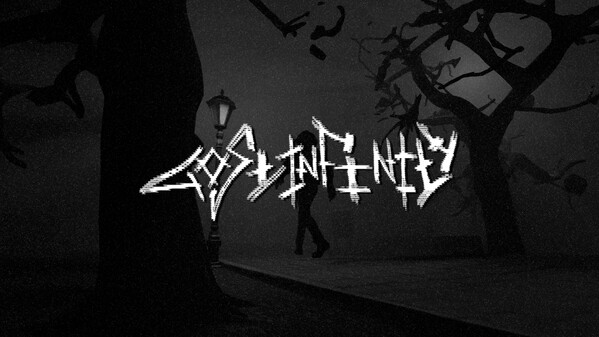
Where are you going with the main character? "Lost Infinity" is a game about nothing, or maybe something, only you will decide. Grieve, think, reason.
Modeled estimate, not a reported figure. How we estimate →
About
«Lost Infinity» is a non-linear visual novel with thriller elements. Heavy, oppressive atmosphere, bleak landscapes of the future, a sense of longing and alienation, with a small and false ray of hope.
The world of dystopia: what is it like, and why did it become this way? It doesn’t matter much. What matters is who we remain within it: biological machines or humans. Here, there is no place for family, morality, or compassion. There is only the goal. A grand goal. But are we sure we know what we’re striving for? Do we even need it? And when will we catch even a glimpse of this all-consuming infinity?
The main character, Faith, wakes up in the evening in their apartment. An unknown desire pulls them outside today. There, they find the corpse of a beautiful girl. They had often come across dead bodies in this city before, but for some reason, today it felt wrong. Today, nothing will change. Today, nothing is certain. Today...
Original, dark soundtrack
Festering atmosphere
Mesmerizing visual style
Disturbing dystopian story
Genres
Stats
All-time low is the lowest price we've recorded for this game since we started tracking it.
Engagement
Reviews
Themes across 46 recent reviews and how positive each mention is. A keyword signal, not full sentiment analysis.
Reviews
主角出门散步,在路上看到了一个认识的女孩的尸体。在他们的社会中,人们对尸体视而不见,某种生物构造的专用机器通常会在两三天后发现并处理尸体。主角认为不能无视她的存在,决定去把她埋了。城市里没有土壤,他便踏上旅途前往郊外。 游戏流程比较短。第二次打把没选过的选项都选了一边,但还是没有全成就。也没看到别的路线和结局。不知道剩下的两个成就需要怎么样的选项组合。还是说steam又成就bug了。在梦中的时候选择停下居然会直接关游戏。 在这个反乌托邦世界在,天气不会改变,季节也不会更替。人类为了追求效率选择了循环往复的夏天。所有的一切都是由不受侵蚀的神经金属组成的。坚固而耐用,堪称万物材料之神。有药可以延长生物的生命,虽然不能让人长生不死,但是几乎能固定人的年龄。人类一代又一代的复制彼此,只为了寻找所谓的“无限”。可是“无限”到底是什么?其实谁都不知道。但是或许他们早就找到了,他们并没有真正的目标,他们的目标就是“无限”本身。而“无限”本身没有尽头,那他们的目标也注定是无尽的。人类一遍遍的复制自己的同类,形成了一个永无止境的循环。 游戏提供的选项更像是思想上的对话,主要都是信仰在说话。问你更喜欢什么?问看待这个世界的方式?简单的问题像是,你喜欢猫还是狗?喜欢散步吗?也有抽象复杂的问题,比如说想要永生吗?你喜欢做梦吗?如果由你来创造世界它会是什么样子?在这个世界上有没有爱的人?不论如何做答,信仰都会评论上几句。虽然你说话不多,但是信仰的话里都是你,你们能聊的有来有回的。整场游戏就是你的内心在和你交流,你们一起看着自己的行为,一起思考一起做反应。非常的意识流,除了传统的VN选项和文本框,游戏还有奇异的3D过场动画。游戏的中文是机器翻译。 [code] No Responsibility Review,只根据个人喜好进行评测: [url= https://store.steampowered.com/curator/36266776-NRR233] 无责任评测[/url][/code]
有中文 有成就
Media

Related
Related
Price dynamics, follower growth, revenue and sales trajectories with interactive tooltips
This and every other Pro feature is free until October 20, 2026. A free account is all it takes.
Languages: Russian, English, Simplified Chinese, Korean, Japanese, Spanish - Spain, Portuguese - Brazil
Hours played at review time, across 46 reviews with recorded playtime.
positive critical· bar length = how often the theme comes up
不是正经的AVG,只是角色(作者)和玩家意识流对话的小型连续情景,对上电波(比如对自我存在有思考之类)就还可以,否则不推荐。
Грустная и мрачная, но очень красивая новелла. Всего за час игра успевает очень неплохо раскрыть главного героя и его мир, показать несколько особенных запоминающихся моментов, а также задать несколько интересных вопросов. Сопровождается эта история шикарным визуальным оформлением и атмосферной музыкой. Особенно зацепили небольшие анимированные 3D-сцены - они топорные, но настроение передают мощно. Прекрасное произведение.
спорная игрушка настолько, что вызывает диссонанс. на свои деньги она рассчитана, действительно, но после нее такое чувство, что ты нырнул в лужу пятаком, а не в море целиком. задумка крутая, визуал, именно нарисованный, а не 3д (как на меня портило визуал в целом, кринжовые низкого качества модельки) просто супер, но очень обрывистый сюжет. хотелось бы больше уточнений, больше детализации мира. так то я не поняла ничего, загадочная очень новелла про цикл боли и утраты близких у гг, с суперской вичухой для вайба и напряжения, с классными картинками и гличами. лично мое мнение смешанное: этот фрагмент творчества хоть и не совершенен, но имеет место быть. за свою цену так тем более, нечего кудахкать. НО, я бы очень хотела, чтобы автор сделал подобную новеллу. я вижу потенциал. детализированный сюжет, мир, персонажи, концовки ветвями и получится изысканный философский шедевр с нотками хоррора. я с удовольствием куплю такую новеллу, пройду на все концовки и напишу классный отзыв. автору удачи, сил, терпения, роста.
Lost Infinity оставила после себя очень странное, терпкое послевкусие. Это тот случай, когда игра работает через чистое созерцание и атмосферу. Визуал здесь просто потрясающий — он обволакивает и создает ощущение будто ты валяешься в ночи с тягучей, мучительной бессонницей. Честно говоря, поначалу мне было даже скучновато. Ритм кажется слишком неспешным, но в какой-то момент ловишь себя на мысли, что ты уже глубоко внутри. Игра буквально вводит в транс, ты растворяешься в этой картинке и звуке... а потом тебя из этого состояния резко вырывают. По стилю изложения и общей меланхолии Lost Infinity чем-то напомнила мне Disco Elysium — есть в этих диалогах какая-то знакомая надломленность. Главный и единственный минус — она слишком короткая. Ты только-только начинаешь осознавать правила этого мира и проваливаться в него, как всё заканчивается. Ощущения после финала максимально неоднозначные: как будто тебя разбудили на самом интересном месте сна. Учитывая копеечную цену игры, мне кажется, каждому геймеру стоит хотя бы попробовать дать ей шанс.
https://www.youtube.com/watch?v=ZCU8DOqSHgk снял видео на игру! очень зашла, жаль только на 2 концковки из 3 прошел
автор возомнил себя Достоевским и написал очень посредственный фанфик не пойми о чем в стиле типичного эмо-школьника. он и сам, похоже, до конца не понял что хотел этим сказать.
Lost Infinity is an introspective, non-linear visual novel developed by Void Echo in collaboration with Mee:w and published by Void Echo, and it is a title that places atmosphere, emotion, and philosophical inquiry far above conventional storytelling structure. Rather than guiding the player through a clearly defined narrative arc, Lost Infinity invites them into a bleak, decaying futuristic city and asks them to exist within it, absorbing fragments of story, memory, and meaning at a slow, deliberate pace. It is a game less concerned with explaining itself than with making the player feel unsettled, reflective, and quietly haunted by the ideas it presents. The experience begins in an unassuming yet oppressive setting: a small apartment that already communicates a sense of stagnation and emotional exhaustion. You play as Faith, a character whose internal state is just as important as the physical world they inhabit. From the outset, the game establishes a mood of quiet despair and longing, reinforced by sparse dialogue and heavy silences. When Faith steps outside and encounters a disturbing, almost dreamlike incident involving a dead girl who feels inexplicably familiar, the game signals that it is not interested in realism alone, but in emotional truth and symbolic resonance. From there, Lost Infinity unfolds not through clear objectives but through moments, impressions, and internal reflections that blur the line between reality and perception. Narratively, Lost Infinity is intentionally fragmented. It does not present a traditional branching structure with clearly labeled choices leading to distinct endings. Instead, player decisions subtly influence tone, perspective, and emotional emphasis rather than dramatically altering plot direction. The story feels like it is constantly slipping just out of reach, revealing pieces of itself through implication rather than exposition. This approach can feel disorienting, especially for players accustomed to more structured visual novels, but it is central to the game’s identity. The ambiguity encourages interpretation, making the player an active participant in constructing meaning from what is shown and, just as importantly, from what is left unsaid. Thematically, the game grapples with heavy ideas such as existential emptiness, grief, desire, and the search for purpose in a world that feels indifferent at best and hostile at worst. Lost Infinity repeatedly questions whether ambition, love, or even memory itself can provide lasting meaning, or whether everything inevitably dissolves into repetition and loss. These themes are not delivered through long philosophical monologues but through subtle writing, environmental cues, and the emotional weight of recurring imagery. The result is a story that feels deeply personal, almost confessional, as if the player is peering into a fractured inner world rather than following an external plot. Visually, Lost Infinity reinforces its themes through a restrained and often minimalist aesthetic. The cityscapes are cold and desaturated, environments feel empty or abandoned, and character presentations lean toward abstraction rather than detailed realism. This visual restraint works in the game’s favor, allowing mood to take precedence over spectacle. Paired with this is a haunting ambient soundtrack that plays a crucial role in shaping the experience. The music is subdued, melancholic, and occasionally unsettling, filling the spaces between dialogue with emotional texture. Silence is used just as effectively, creating moments where the absence of sound becomes a statement in itself. Mechanically, the game remains simple, adhering closely to visual novel conventions. Interaction is limited to reading, making occasional choices, and progressing through scenes, but this simplicity feels intentional rather than lacking. By minimizing mechanical complexity, Lost Infinity keeps the player’s focus on reflection and emotional engagement. Small decisions and pauses in pacing become meaningful, and the lack of constant interaction reinforces the feeling of being trapped within an internal loop of thought and memory. What makes Lost Infinity resonate so strongly with its audience is its willingness to be uncomfortable and unresolved. It does not offer easy answers or cathartic closure, and it does not attempt to universalize its message. Some players may find this approach frustrating or opaque, especially if they seek clear narrative payoffs or definitive conclusions. Others, however, will find that the game’s strength lies precisely in its refusal to simplify complex emotional and philosophical questions. Ultimately, Lost Infinity is best understood as an experiential piece rather than a conventional game. It is a quiet, heavy journey through a world and a mind shaped by loss and longing, designed to linger rather than entertain in the traditional sense. For players drawn to art-driven indie titles, existential themes, and stories that invite interpretation rather than explanation, Lost Infinity offers a deeply affecting experience that stays with you long after the screen fades to black. Rating: 6/10
Игра наполнена диким вайбом экзистенциализма и философии, очень короткий мув, но крайне приятный, атмосфера шикарная, отдельно хочется отметить работу художников и дизайнеров, игра реально стилевая, перепрошла на три раза, из минусов: оч маленькая развилка выборов, очень короткая.
Selling now
See how fast this game is selling right now — estimated copies and revenue per day from recent review growth.
Players by region
Where this game's players are, estimated from review languages.
Related
| Game | Estimated lifetime revenue | Reviews | Review score | Price |
|---|---|---|---|---|
| $1.5K | 36 | 72% | $2.99 | |
| $107.7K | 567 | 68% | $11.99 | |
| $48.5K | 328 | 91% | $8.99 | |
| $3.8K | 50 | 94% | $3.99 | |
| $3.5K | 24 | 96% | $9.99 | |
| $3.3K | 38 | 92% | $4.99 |
Related
| Game | Estimated lifetime revenue | Reviews | Review score | Price |
|---|---|---|---|---|
| $2.2K | 63 | 97% | $1.99 | |
| $2.2K | 98 | 89% | $0.99 | |
| $2.2K | 91 | 76% | $1.99 | |
| $2.2K | 58 | 60% | $1.99 | |
| $2.2K | 136 | 47% | $0.99 | |
| $2.2K | 91 | 57% | $0.74 |