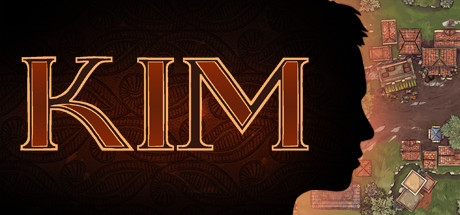
Kim is a boisterous urchin from 1880s Lahore, his wanderlust will take him all over India. Branching conversations, survival, stealth and combat let you play Kim's coming of age however you choose. The enormous open world of Kipling's India awaits you!
Modeled estimate, not a reported figure. How we estimate →
About

Stats
All-time low is the lowest price we've recorded for this game since we started tracking it.
Languages: English**languages with full audio support
Engagement
Hours played at review time, across 40 reviews with recorded playtime.
Reviews
Themes across 40 recent reviews and how positive each mention is. A keyword signal, not full sentiment analysis.
positive critical· bar length = how often the theme comes up
Reviews
Normally I don't do reviews on the games I play, but when it comes to Kim I really felt that I should do one because of two things. 1) First is obviosuly the merit to the game itself. It is really enjoyable, unique and probably one of the best indie games i have come across. Once you start a playthrough, you just immerse yourself in the character, the beautiful settings and the writing it offers. The music is lovely, so the deluxe edition is reccommended. Gameplay wise, having to weigh in the pros and cons of actions as well as taking into account of the limited time and resources available to the character in the playthrough is the strongest element of the game. Basically, you have to make smart choices to score high but at the same time you also get to choose the high road or the low road in making decisions and that will put your own morality to the test, which I really like to see in all kinds of games. I did 3 playthroughs so far, and the 3 playthroughs were completely different to each other even though the main quest line does not change. This is because you practically can't do all, which again makes you choose smart and makes the game replayable which is I believe is value for money. 2) The developers are really responsive to community feedback and constantly with all ears on how to improve the game by taking into account of our experiences. Best example is, when I encountered that reading books (character can buy books) in the game does not have excerpts from the actual book itself, I pointed that out as a weakness to the devs. They responded immediatly and said that they will add this feature to the next update in May, and i'm really ecstatic about it. Then I as well as a lot of people playing the game has complained about the shortness of the playthrough, and they addressed that also. So, it's really good to see the devs listening to us, the community. So yes, I reccommend this game with full thumbs up!
Описать эту игру какой-то одной емкой фразой лично мне сложно: в Kim тебя одновременно встречают и элементы RPG, и сюрвайвл в (относительно) открытом мире, и достаточно "рогаликовый" подход к истории (так называемый emergent narrative). Эдакий Sunless Sea, но без кораблей и Лавкрафта, а про Индию. Возможно, именно поэтому игра настолько незаслуженно малоизвестна: за два года - 25 обзоров, из них на русском - всего один. За разработчиков просто по-человечески обидно, потому что Kim – игра, сделанная с любовью и душой, и это сразу заметно. Самая уникальная часть Kim - это её сеттинг, и если вы любите историю, это гарантировано подкупит с самого начала. Игра основана на одноименном романе Редьярда Киплинга: действие разворачивается в колониальной Индии 1880-х, главный герой – 14-летний сирота и бродяжка Ким, сын британского солдата, оказавшийся на улице после смерти родителей. Завязка почти полностью идентична книге: вместе с престарелым тибетским ламой вам предстоит отправиться на поиски священной для буддистов Реки Стрелы и заодно принять участие во множестве сопутствующих приключений. А вот как история будет разворачиваться дальше, зависит уже не от Киплинга, а исключительно от ваших выборов: Kim сразу предоставляет вам полную свободу действий. До совершеннолетия еще четыре года, и главная цель игры – обрасти как можно большим количеством заслуг (“Merit”) за это время. Перед вами откроется вся Северная Индия. Можно начать путешествие на восток, в сторону Гималаев или Дели - а можно пойти на север, исследовать Кашмир и предгорья Афганистана, а затем развернуться, и на железной дороге отправиться куда-то в Умбаллу, Лакнау или Аллахабад. Везде вам будут встречаться самые разные люди: ремесленники и торговцы, богачи и попрошайки, джайны и сикхи, мусульмане и британцы. Многие из них с радостью расскажут о своей жизни и обычаях. В целом, геймплей довольно ненавязчивый, но и непростой: придётся следить за голодом, усталостью и уровнем здоровья, выпрашивать еду для себя и ламы, убегать от разбойников, узнавать слухи и мудро распоряжаться скудными заработками – рупии Киму по крайней мере в начале игры перепадают очень нечасто. Атмосфера колониальной Индии передана отлично: посещение любого крупного города или достопримечательности сопровождается соответствующей исторической справкой и фотографиями из источников тех времён. В игре много возможностей и сюжетных поворотов из оригинальной книги: например, по ходу странствий Ким может повстречать военную часть своего отца, попасть в католическую школу и принять участие в борьбе британской и русской разведок. В целом, Kim – это отличное приключение, которое принесёт двойное удовольствие тем, кто читал первоисточник. Единственное «но» - если с английским вы не в ладах, поиграть комфортно вряд ли получится: ни официальной локализации, ни фанатского перевода у игры нет, а она достаточно сильно завязана на тексте (причем довольно непростом, так как большая его часть либо напрямую цитирует Киплинга, либо плотно использует местные диалекты, английский XIX века и своеобразную индийскую манеру на нём разговаривать). Если же это вас не останавливает – вперёд, сейчас у игры большая скидка, а таких разработчиков однозначно стоит поддержать.
In my ongoing and likely futile effort to write a Steam review for every game in my library (#24 out of 500+)... it's time for KIM. Kim is an interesting little roguelike that I really wish I could recommend, if only for the uniqueness of the setting. Sadly, it is somewhat hamered by two major flaws. The first is somewhat superficial--the player character, Kim, isn't differentiated in any meaningful way from any of the NPCs, which makes it very difficult to tell where, exactly, you are on the map. And second, the "writing" is really and truly bad. Much is, bafflingly, literal nonsense. The most challenging aspect of the game is simply deciphering what, exactly, the text is meant to convey. Here's an example line of dialog more or less indicative of what to expect from the game proper: "I have known many men in my so long life, and disciples not a few. But to none among men, if so be you are woman-born, has my heart gone out as it has to you - thoughtful, wise and courteous: but something of a small imp." This arhaic prose might be familiar to you--Kim, the game, is an adaptation of a Rudyard Kipling novel of the same name. This line, like all of the other text in the game, is lifted directly from the Kipling novel--with extra bits grafted on from -other- novels and short stories. If that sounds like a horrendously bad idea... it is. See, here's the thing... Kim is (crucially) not a novel. It's a game. Specifically, an RPG. If you're expecting the dialog options to make any sense... don't. If you're expecting one sentence to follow logically from the preceding sentence and flow naturally into the succeeding sentence... don't. The thing about RPGs is that they don't tell linear stories like novels, or even other games. You walk around, talk to people--ask them specific questions, etc., etc. All of which requires that the output text from NPCs matches, in some way, the input text from the player. If you ask a character, "Where is the bakery?". you would expect them to say something about the Bakery, right? Or perhaps comment on your ignorance. But in Kim, to torture the analogy, they'd wax poetic instead on how they spent their youth in the countryside. EG what you say to an NPC has very little relevance in what they say to you. At best, you'll get a quote ripped out of some Kipling story that is vaguely, peripherally relevant. At best. And, of course, because this problem also persists in-between individual lines. Cutting-and-pasting someone else's sentences together is not an effective way to craft coherent dialog. Kim is... an ambitious game. But ultimately it fails, grandly, to live up to those ambitions. Perhaps they might have had more luck ripping text from a different author with more generic, and therefore more malleable prose... but as the example quote I mentioned earlier demonstrates, Kipling's prose is... dense. The two most important things in RPG writing are clarity and coherence. Kim, unfortunately, provides neither. I really wanted to like Kim. I'm fond of rogue-likes and I love the idea of games that play historical settings straight--especially settings that, in Western media, are underused--unfortunately Kim, though an excellent idea for a game, completely botches the execution. This game could have been something really special if they'd simply hired a writer to craft the narrative in the *style* of Kipling, rather than simply chuck a bunch of old novels into a blender and glue the resulting mess back together.
Add Chinese language please.
[table][tr][td][url=http://steamcommunity.com/groups/MentorPixel]Mentor Píxel[/url] – [i]El medio interactivo como entretenimiento inteligente[/i][/td][/tr][/table] [h1][b]Kim – Supervivencia callejera a lo siglo XVIII[/b][/h1] Adaptar una novela que transcurre en la India del siglo XVIII hacia un videojuego narrativo de naturaleza arcade pareciera ser una tarea compleja cuando escuchamos el [i]elevator pitch[/i], pero cuando sabemos que la fuente es la obra de Rudyard Kipling, nos damos cuenta que la ejecución de la premisa no es tan complicada si le damos un enfoque de supervivencia a la manera del autor. [h1]Un juego para el culto[/h1] [b][i]Kim[/i][/b] está inspirado en la obra literaria de Rudyard Kipling, [b][i]Kim de la India[/i][/b], publicado en el año 1901. La novela es un relato sobre la vida de un huérfano de la india de 1850, un joven que se gana la vida como un pícaro de calle. Lo característico del personaje no es solo su astucia, propia del [b][i]Lazarillo de Tormes[/i][/b] (Anónimo, 1554), sino que Kim es en realidad un Irlandés de piel oscura que es confundido por un indio nativo. Lo primero que se destaca de [b][i]Kim[/i][/b] es la carga histórica que presenta, y es que sin ánimos de explicarte el contexto político, social, económico y religioso de la India de 1850, el juego pareciera dar por sentado que conoces todos los hechos que rodean la obra de Kipling y te arroja a su jugabilidad sin una introducción que te contextualice en su trama. Y sí, se agradece la fidelidad y el respeto que se siente por la obra de la cual se inspira, pero la carencia de introducción hacia su contexto hace de la lectura de su contenido textual una experiencia pesada y a veces confusa. En síntesis, el problema de [b][i]Kim[/i][/b] radica en que degustar de su mensaje resulta difícil si no apreciamos su origen y contexto en primera instancia, y es que la manera de presentar su narrativa es tan aislada y poco cohesiva que se hace una experiencia insípida y desabrida. Sin embargo, aún si removiéramos todos los elementos históricos y culturales, esta sigue siendo una obra interactiva con mecánicas lúdicas, y a este respecto el juego es funcional, pero con fallas tan evidentes que disfrutarlo resulta un reto en sí mismo. [h1]Libertad en diversidad histórico-cultural[/h1] Las aventuras que Kipling describe su libro son representadas en el juego en modo de misiones; misiones que llevaremos a cabo con la libertad que nos confiere un vagabundo de catorce años en las calles de una India colonizada por los británicos, en donde la justicia es difusa y la criminalidad recurrentemente impune. Lo más atrayente del título es que el enfoque tan mente-abierta de la obra literaria de Kipling se ve reflejado a lo largo de una partida. Las decisiones del jugador desempeñan un rol importante y protagónico en la experiencia, permitiéndonos convertir a nuestro Kim en un budista, hindú, musulmán o católico; un mendigo o un ladrón; irnos en una jornada espiritual o espiar a los rusos de parte de los británicos. [b][i]Kim[/i][/b] se juega como una aventura gráfica con perspectiva aérea, pero con diversos elementos de rol. La interfaz de los diálogos con los personajes nos presenta campos con las características físicas y de personalidad de quienes interactuamos, además de indicarnos su profesión, religión y la reputación que tengamos con esa persona. Por otro lado, nuestro panel de personaje nos muestra valores clásicos de una planilla de rol, atributos como Inteligencia, Fuerza y Destreza. Pero nuestro principal objetivo será mantener los valores Salud y Felicidad saludables, porque [b][i]Kim[/i][/b] es un juego de supervivencia. [h1]Supervivencia callejera[/h1] Es innegable: la premisa jugable de [b][i]Kim[/i][/b] es original. El mercado de videojuegos está inundado de títulos de supervivencia en el que la adversidad es de carácter natural, el entorno salvaje y silvestre; sobrevivir en medio de un bosque, un desierto, un páramo, una selva... Pero en la obra de The Secret Games Company sobrevivimos en la calle, en lo semiurbano, en un pueblo; ante el litigio de no ser un individuo integrado en la sociedad, rodeado de la indiferencia de la gente, como un méndigo, un indigente. Ello, sumado a una mecánica de muerte permanente, hace de [b][i]Kim[/i][/b] un juego imperdonable. Sobrevivir es el objetivo final del juego, pero sin el método convencional de colectar objetos para fabricar materiales. En cambio, lo que fabricamos son relaciones sociales. Para mantener a nuestro personaje en óptimas condiciones, debemos mantener elevados los valores de Salud y Felicidad, y para ello, debemos asegurarnos de tener los alimentos para cada día y ganar méritos mediante la interacción para con el mundo social. La administración de recursos es un elemento focal en la obra, como lo es característico de los títulos del mismo género. Viajar entre poblados y áreas rurales es un componente principal entre las acciones que realizamos, esto nos costará Fatiga o Rupias, incluso Felicidad y Salud dependiendo de las condiciones en las que nos traslademos, pero lo más importante será el costo del Tiempo. Sí, el tiempo, porque [b][i]Kim[/i][/b] es un juego que trata sobre el crecimiento, sobre la transición entre juventud y adultez, y por ello, el Tiempo es el recurso más valorado en todo su sistema lúdico. Y es aquí donde el juego deja de ser interesante... [h1]La insulsez arcade[/h1] Nuestra partida termina luego de pasar cuatro años. Al llegar a la edad de dieciocho, la partida se detiene, muestra nuestro puntaje y comienza desde el principio. Porque al fin y al cabo, [b][i]Kim[/i][/b] es un arcade, una obra interactiva que pide de nosotros la misma dosis de compromiso que una máquina de casino... pero peor, porque una partida no requiere invertir tiempo y esfuerzo en adiestrarse en mecánicas lúdicas directas, sino en mecánicas narrativas, esto implica leer, comprometerse con los personajes, locaciones e ideologías, porque no es solo entender la idiosincrasia de los demás, sino asumir una propia para seguir un estilo de juego. Todo esto lo hacemos bajo la premisa de sobrevivir en la pobreza, lo cual es un litigio cuando nos enteramos que además debemos lidiar con las escasas opciones que tenemos para ello considerando las limitantes: personajes no jugables sin opciones de diálogo (como abstracción de la indiferencia de las personas que nos rodean), ladrones que salen de noche y nos atacan, y un tutorial poco elaborado que no nos esclarece cómo salir airosos en los desafíos circunstanciales. Al final, lo que desanima no es solo que se nos limite nuestro hipotético disfrute cuando alcancemos cierta edad, sino que la recompensa final a nuestro esfuerzo sea un puntaje, algo tan banal y superfluo que no retribuye todo lo que hayamos invertido jugando. Todo ello hace de [b][i]Kim[/i][/b] un juego que por mucho concepto interesante que tenga y por tanta premisa lúdica que traiga a la mesa, no deja de tener una ejecución que hace de él un título insulso y poco cautivante. [h1]Apreciable como una pintura[/h1] Al observar [b][i]Kim[/i][/b] lo menos que se puede sentir es respeto. Respeto por lo que representa, respeto como resultado de apreciar lo que quiere hacer, por el aporte tan [i]indie[/i] que hace al género de supervivencia y por la fidelidad que refleja como obra lúdica en adaptación de la obra literaria de Rudyard Kipling. Pero hasta allí llega su encanto. Porque [b][i]Kim[/i][/b] es como una buena pintura que retrata alguna escena de una guerra mundial: te fascina la obra como símbolo, como representación de una realidad que ahora sirve como legado cultural de una historia, pero no cautiva del mismo modo el pensar formar parte del cuadro, participar en él e inmiscuirse activamente en su escena. [table][tr][td][url=http://store.steampowered.com/curator/9059978][u]Seguir a Mentor Píxel para más análisis y reseñas[/u][/url][/td][/tr][/table]
这是一款生存游戏,但我更喜欢叫它印度步行模拟器~ (不做长评了,简单说说吧~) 背景为19世纪末到20世纪初被英国殖民的印度~ 而你作为一个小男孩要极力在社会中生存下去 本作的游戏性比我想象中的要差,重复的任务玩法,很容易无聊,比较有用的是你可以从其中学到历史,游戏中的地图和一些建筑和历史是一一对应的(别以为我是在网上查的,游戏中有详细介绍,还有照片,这也是我又爱又恨的一点~) 游戏的任务基本上也就是委托,需要你在大大小小的城市中来回游走(这就很烦~) 所以游戏一开始我的建议是开图,最快捷的是用火车,基本上可以去大部分的城市,其次是用牛,走路是最不划算的,路上所花费的时间可能比你想象的还要长~ 这个游戏最重要的是钱,赚钱是最重要的,在此推荐一个邪道赚钱小技巧。 [spoiler]装备一把枪(是可以捡到的),跑到你所出生城市的北方或西方的荒郊野岭,然后对准一个平民开枪,打死后拿东西,也不要怕死(死了之后装备不会掉,还会加二十块钱~美滋滋),也不用怕掉心情值(这就是一个摆设!!!之后我分分钟找人谈心就能涨回来),然后坐火车到最后一站,在这里你可以卖东西,和最右边的商人谈话后还可以加心情值,然后你就赚得很多了~[/spoiler] [spoiler]当然我是不推荐的,如果你是一个好人就老老实实按游戏任务来,死太多就会直接结束游戏的~[/spoiler] 游戏的自由度还是很高的,其实所有的NPC你都可以和他们互动,只是他们不想而已~ 音乐一般般~ 画风还行~ 唯一让我诟病的就是游戏性,到后面纯粹就是自己找乐子,然后就有了上面的小技巧~ 6/10 就这样吧~
Добавьте русский язык
I'm really enjoying Kim! I like the feeling of geniune consequences, I'm learning from my own mistakes constantly. Admittedly I probably shouldn't have gone near that tiger. You live and learn. Sometimes with tigers you just learn actually. The living part is optional. The writing is a little difficult at times, but that's because it's super faithful to the source material. Once you get used to it it's real beautiful. The art is pretty as all heck. There's a real feeling of texture and life in everything. There's a lot of character in the faces of the people you meet, but also in each of the towns I've been to. The other thing that's nice is I feel like I'm getting a window in to this interesting, contentious period of history that I don't know that much about. I'm learning about all these factions and groups as I go, and how they feel about each other. I've only played for an hour and already I've learned a little about the various different religions vying for prominence in colonial India. I've also learned that tigers are really dangerous, but I think I mentioned that already.
I want to like this game, a video game about Kipling's Kim...I must be the only possible audience. Unfortunately, I found all the game systems poorly balanced and can't see how to have much fun. Fighting doesn't work, thieving doesn't work, and there doesn't seem to be any way to keep Kim happy and healthy. It's like an Indian Oregon Trail that only ends in dyssentary. I'm sure someone who playtested and understood what was supposed to happen had a different experience. I guess all I really learned was the the mysterious orient was probably pretty unhappy and unfun.
ORIGINAL REVIEW (3-16-18): I have completed 3 play-throughs and earned about 90% of the achievements. This game hasn't received a lot of attention on steam which is a bummer. It has a unique art style and an excellent soundtrack. Kim has a lot of polish; you'll be hard pressed to find any bugs at all. There is no voice acting; all conversations are text based. It uses an "iron man" style save system to make your choices feel meaningful. The dev is highly responsive and continues to push out updates. I would certainly recommended it to anyone looking for their next exploration/survival game. *Check out my "general tips" guide on the community page. EDIT (3-2-20): I decided to read the book by Rudyard Kipling. I enjoyed it. I discovered that the video game seems to closely follow the book's storyline.
Related
Related
Trends
Concurrent players on Steam, sampled daily since tracking started.
Momentum
Pace estimated from the game's recent review growth (our daily snapshots) at its own sales-per-review ratio — a momentum signal, not booked sales.
Audience
Estimated from the language of this game's reviews — a proxy for where players are, not official Steam demographics.
Related
| Midnight Mahjong | $30.8K | 250 | 67% | $6.99 |
| Chromatic Conundrum | $30.8K | 355 | 99% | $4.99 |
| Never Meet Your Heroes | $30.8K | 106 | 58% | $13.99 |
| Tech Market Simulator | $30.8K | 81 | 64% | $9.99 |
| Mind the Vikings | $30.7K | 83 | 43% | $10.99 |
| Straimium Immortaly | $30.7K | 174 | 90% | $6.99 |