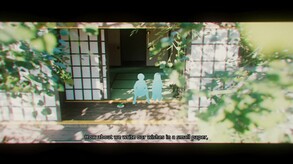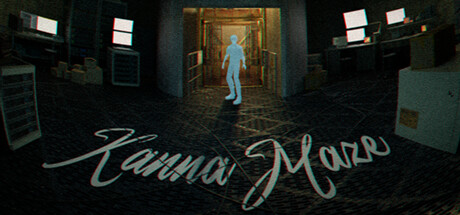
In an isolated lab beneath the earth, a childhood friend is resurrected. Amidst sealed walls, a spree of killings unfolds. In a godless abyss, parallel worlds entwine like a maze. Where does one find the path to the sole universe of bliss?
Modeled estimate, not a reported figure. How we estimate →
Media

About


Stats
All-time low is the lowest price we've recorded for this game since we started tracking it.
Languages: English, Japanese*, Simplified Chinese, Traditional Chinese*languages with full audio support
Engagement
Hours played at review time, across 41 reviews with recorded playtime.
Reviews
Themes across 41 recent reviews and how positive each mention is. A keyword signal, not full sentiment analysis.
positive critical· bar length = how often the theme comes up
Reviews
有卡 有中文 有成就
Best
[h1] “拼好游”融梗大集合——《神无迷宫》游戏评论 [/h1] 3分,一部包装甚好的“拼好游”融梗大集合。相比几年前的《距离男主自杀还剩七天》,本作肉眼可见的在制作上豪华不少,作为一家刻板印象中的小成本短篇游戏制作商,本作制作上花费的心思与透露的营销策略引人注目。 一是全程全员日语配音,虽然体量不大,配音水平中等,但制作上有板有眼,而这也正是本作在日本市场收获一半销量的重要原因。 二是打了折扣的精美CG特效,在背景方面更注重写实风格,贴合现实场景原貌,提升游戏体验感;而说它是“打了折扣”,则在于本作在兼顾艺术与省钱方面采用了透明纸片人的方式绘制所有人物,既是借鉴《恐怖惊魂夜》,又能回应主题体现人物的不稳定“量子态”,而劣势自然是在整个CG画面的完成度和美感方面要降低档次。 三是区别于通常的横版解谜游戏和纯2D文字小说游戏画面,本作已植入空间运镜,各种俯拍、仰拍、跟拍、远中近境切换都能见到,丰富了游戏的画面表现力,将游戏从纯图文小说变成电影式动画演绎,以上都是本作相较前作在技术力和制作理念上的巨大进步。 此外游戏系统方面采用了剧情分枝树的方式,对于一部依靠选项作为主要游戏性来源的悬疑解谜游戏,这也是值得称赞的地方,虽然这个系统基本就是照搬《人狼村之谜》。 说完本作优点与进步,再说本作的问题,本作是在技术力进步下包裹的缝合怪,在本作中你可以看出“游山游海”,我玩的游戏不算多,我能见到的记得住的融梗包括平行世界相互影响与穿越、多嫌犯设置与叙事诡计是《极限脱出》,小酒井宇宙抑制力幻视FGO,地底研究所被水包围爆破借鉴Ever17等等,制作组的态度更是毫不介意你看出他的融梗与擦边,仿佛让玩家在游戏中找既视感正是本作想要提供的体验。 但本作的核心缺陷仍然是制作组一脉相承的老一套——玩了再多经典游戏也讲不好一个逻辑自洽的悬疑故事,还试图通过杂糅无数量子力学的概念把游戏格调拔高,实则沦落为概念名词的堆砌,犯了跟《素晴日》一样的堆理论的病(我说你家到底多爱《素晴日》,好的坏的都要借鉴)。本作并非仅仅是烂尾的问题,事实上本作意图讲述一个高位视角的故事,然而在核心矛盾设置方面就出了问题,本作主角摧毁研究所的理由是阻止研究所毁灭宇宙,然而研究所研究内容还不是能量爆炸之类的毁灭性课题,我只想代宇宙说一句“老子存在于世亿万年,你个人类才存在几天,你搞个巴掌大的实验室还想摧毁宇宙,建议别搞研究直接做梦,莫挨老子”。但凡这个核心动机立不起来,之后主角所有的行动都形同儿戏了。我只能说高位视角看似是个逼格很高的东西,但写好却不容易。融梗套壳借鉴别人的亮点却无法内化为自己故事的完善逻辑,终究只能夭折不可能长成大树。
文字の表示がところどころおかしいけど、全体的に面白くクリアまで一気に進めてしまった。 かまいたちの夜のようなサウンドノベルが好みの人にはお勧めできる。 SF的な説明が多いので好みから外れる場合には馴染めないかも。
[h2]ミステリーと科学要素が入ったSFサウンドノベル[/h2] レイジングループなどのループ系で使われる死に戻りで フローチャートを開放して埋めていくシステム シュタインズゲートやステラーコードみたいな科学要素 が好きならより楽しめると思います 逆にSF要素で色々済まされるのが好きでない人は注意 価格が価格なので過度な期待は禁物ですが自分は値段以 上にとても楽しめたのでオススメします パワーアップした次回作の樹海迷路も出ているので気に なったらそちらも是非 神無迷路+樹海迷路 バンドル https://store.steampowered.com/bundle/66160/_/
Kanna Maze is a narrative-driven visual novel that leans heavily into atmosphere, ambiguity, and the slow unraveling of a tightly wound mystery. Developed and published by 致意, the game places the player in the role of a drifting protagonist whose life has stalled after repeated failures, only to be pulled into something far stranger and more unsettling than an ordinary job opportunity. What begins as a desperate attempt to regain stability quickly transforms into a labyrinth of memories, scientific experiments, and emotional contradictions, all framed through a story that is intentionally fragmented and meant to be pieced together over time. The narrative hook is introduced early and with quiet confidence. After taking a part-time job at a secluded research facility, the protagonist encounters someone who should not exist: a childhood friend believed to have died many years earlier. This single moment sets the tone for the entire experience, as the game steadily blurs the line between past and present, reality and reconstruction. Rather than providing clear answers, Kanna Maze relies on repetition, subtle variations, and carefully placed revelations to build tension. Each scene feels deliberate, often withholding context just long enough to make the player question not only what is happening, but why events seem to loop, distort, or contradict previous information. Gameplay is firmly rooted in classic visual novel structure, with reading and choice-making forming the core interaction. Decisions branch the narrative in meaningful ways, leading to multiple endings that reveal different facets of the story. No single route provides a complete picture on its own, encouraging repeated playthroughs and experimentation with alternative choices. This structure reinforces the game’s central metaphor of a maze, where understanding only comes from exploring dead ends as well as apparent paths forward. Tools such as jump functions and progress tracking make revisiting earlier decisions more convenient, helping the player focus on discovery rather than repetition fatigue. Kanna Maze’s presentation complements its narrative ambitions with a restrained but effective style. Character artwork and backgrounds favor mood over spectacle, often using subdued color palettes and minimalist composition to emphasize isolation and unease. Full voice acting adds emotional texture to conversations, grounding the more abstract elements of the plot in human expression. The soundtrack is understated but purposeful, often fading into the background just enough to heighten tension without drawing attention to itself. Together, these elements create an experience that feels introspective and slightly oppressive, mirroring the psychological state of both the protagonist and the environment he inhabits. One of the game’s strengths lies in its thematic focus on memory, identity, and the consequences of unresolved regret. Rather than presenting its science-fiction concepts as purely technical ideas, Kanna Maze uses them as tools to explore emotional stagnation and the fear of being trapped by past choices. The research facility and its experiments feel less like a traditional sci-fi setting and more like a physical manifestation of the protagonist’s internal conflicts. While some explanations remain intentionally vague, this ambiguity serves the story’s tone, allowing players to interpret events through both literal and symbolic lenses. That said, the game’s commitment to mystery and repetition may not appeal to everyone. Its pacing is slow, and its reliance on multiple endings means that players seeking immediate clarity or fast narrative payoff may find the experience demanding. Character development is often subtle rather than explicit, requiring attention to small changes in dialogue and context to fully appreciate. For players willing to engage on those terms, however, the reward is a story that feels cohesive precisely because it resists easy answers. In the end, Kanna Maze is a thoughtful and ambitious visual novel that prioritizes mood, structure, and thematic depth over straightforward storytelling. It invites players to become active participants in its narrative, not by mastering systems, but by observing patterns, questioning assumptions, and embracing uncertainty. As a piece of indie storytelling, it stands as a compelling example of how minimal mechanics and strong narrative intent can combine to create an experience that lingers long after the final ending is reached. Rating: 8/10
神
还行,很不错的悬疑题材,标准的开头,只可惜每条线结束的太快了,总觉得内容可以更丰富一点
理解が及ばず不明点は多分に残されているが、霜月が隣にいてくれるだけで私は幸せだ。
怀念过去不想长大,但时光却无法倒流
Related
Related
Trends
Modeled estimate over time, reconstructed from Steam's monthly review histogram.
Audience
Estimated from the language of this game's reviews — a proxy for where players are, not official Steam demographics.
Related
| Kromaia | $29.8K | 118 | 75% | $9.99 |
| Automaton Lung | $29.8K | 153 | 95% | $9.99 |
| Lucky Hero | $29.8K | 112 | 84% | $10.99 |
| Survivor - Castaway Island | $29.8K | 60 | 35% | $24.99 |
| Gaming Cafe Life | $29.8K | 153 | 95% | $5.99 |
| Ogre Chambers 2222 | $29.8K | 258 | 97% | $4.99 |
Related
| Black Myth: Wukong | $794.9M | 1.2M | 97% | $59.99 |
| DARK SOULS™ III | $467.1M | 438K | 94% | $59.99 |
| 7 Days to Die | $425.3M | 403.6K | 87% | $44.99 |
| Hogwarts Legacy | $366.2M | 271.8K | 90% | $59.99 |
| Mount & Blade II: Bannerlord | $309.8M | 294K | 88% | $49.99 |
| Sekiro™: Shadows Die Twice - GOTY Edition | $306.2M | 352.3K | 95% | $59.99 |