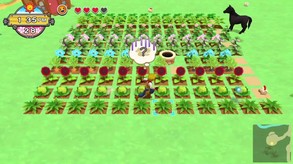
Trek across beaches, the desert, and even a volcano in the latest entry into the long-running Harvest Moon series! The Harvest Goddess has gone missing, and it's up to you to help bring her back! Along the way, you'll come across cows, sheep, camels, and even reindeer!
Modeled estimate, not a reported figure. How we estimate →
About
Genres
Stats
All-time low is the lowest price we've recorded for this game since we started tracking it.
Languages: English, French, German, Spanish - Spain, Simplified Chinese, Traditional Chinese
Engagement
Hours played at review time, across 40 reviews with recorded playtime.
Reviews
Themes across 40 recent reviews and how positive each mention is. A keyword signal, not full sentiment analysis.
positive critical· bar length = how often the theme comes up
Reviews
👎
Also ich habe schon einige Harvest Moon oder Story of Seasons Teile gespielt, aber das hier ist bisher der schlechteste von allen... Angefangen beim... Anfang... Wir leben in einem Land, was nur Kartoffeln als Nahrungsmittel kennt in einem "Dorf" mit nur einem Erfinder als Nachbarn. Dieser kennt sich mit der fortschrittlichsten Technologie aus und schafft es, eine ganze Farm samt Tieren Pokemon-like in einen Anti-Stressball einzupacken. Seine Genialität und auch das aller anderen Bewohner des Landes reichen jedoch nicht aus, um die Kausalität dahinter zu sehen, dass Gemüse/Obst/Gemüse aus Samen herangezogen werden können... WTF? Wie haben es all die Menschen geschafft, bisher zu überleben? Als Nomade, was wir in diesem Spiel ja mit der "Expando-Farm" sind, mag das ja gehen, aber die sind alle sesshaft. Ziemlich sinnfrei schonmal... Ist ja schön, dass man nicht wieder die alte "Opi ist tot, hier hast du seine abgeranzte Farm"-Geschichte aufgetischt bekommt, aber diesen Ansatz finde ich ziemlich lächerlich. Und anstatt man dann darauf eingeht, dass wir das Gemüse in der Natur finden und daraus die wertvollen Samen gewinnen müssen, spawnen einfach im ganzen Land zu verschiedenen Tageszeiten Erntewichtel, die uns die Samen schenken. Wow... Soviel dazu. Als nächstes zur Welt an sich: Eigentlich ist es ganz cool gemacht, dass es mehrere verschiedene Dörfer mit eigenen Geländearten und unterschiedlichen Kulturen gibt, doch durch das wirklich arg lieblose Design fühlt man sich leider nicht wirklich abgeholt. Wenn ich da an alte Teile wie "A Wonderful Life" für Nintendo Game Cube zurückdenke... "Früher war alles besser!" xD Was ich noch ganz gut finde ist, dass die Dörfer auch alle ihre eigene kleine Story haben, um die Erntewichtel wiederzuerwecken. Diese Quests werden immerhin auch im Auftragsbuch angezeigt. Im Gegensatz dazu werden andere, teilweise wirklich wichtige Aufgaben, durch Gespräche mit den Leuten ausgelöst. Durch die Größe der Welt ergibt sich jedoch der Nachteil, dass auch die NPCs ewig weit auseinander wohnen und man nicht zwangsläufig an allen vorbeikommt. So suchte ich z. B. verzweifelt nach einem Schmied, um die Ausrüstung zu verbessern, während man eigentlich nach bestimmten Ereignissen einen Minenarbeiter anquatschen und eine Materialquest erledigen muss, damit man einen Teil seiner Werkzeuge bei der Hauseigenen Werkstatt verbessern kann. Ohne Internet wäre ich darauf bestimmt nicht so schnell gestoßen... Apropos Quests: Fast täglich kommen "zufällige" Aufträge in Dauerschleife von Leuten rein, die man bereits kennengelernt hat. Schnell wurde ich zu Gabrielles persönlichem Gras-Dealer und durfte ihr fast jeden Tag 3 g von meinem frischen Stoff liefern. Andere Quests hingegen dümpeln schon ewig vor sich hin, weil ich die passenden Fische nicht fangen oder mir leider das Rezept für Erdbeermilch nicht leisten kann. (Eine Kuh kostet 5.000, das Rezept für Erdbeermilch 3.000.) Gerichte kann man in den Geschäften leider auch nicht kaufen, sondern nur die Rezepte. Das finde ich auch ziemlich sinnfrei, weil die Restaurants dort einfach dauerhaft leer sind... Da hocken immer nur die Inhaber*innen drin. :D Und wo wir gerade bei den NPCs und ihren Gewohnheiten sind: sie haben eigentlich so gut wie gar keine... während in anderen Harvest Moon spielen alle Charaktere ihre eigene Routine hatten, heißt es in dieser Welt nur: irgendwann morgens wird sich an den vorherbestimmten Platz teleportiert und abends wieder ab nach Hause. Keine Laufanimationen, keine Chance die Leute noch irgendwie einzuholen, wenn man mal eine Minute zu spät dran ist... naja, wer zu spät kommt, den bestraft das Leben... :( Zum Abschluss noch ein paar Worte zum System vom Gemüse-Anbau: Viel zu kompliziert und viel zu viel Auswahl an Sorten gleich ab Spielbeginn! Und dann wächst irgendwie alles zu jeder Jahreszeit, aber auf einigen Geländearten wächst das oder das andere besser... an sich finde ich es cool (bin gelernter Gärtner), dass die Pflanzen ihre speziellen Vorlieben haben, aber dann müsste man eigentlich noch viel öfter mit der Farm umziehen und das macht nicht wirklich Spaß, weil man die Gemüsefelder immer zurücklässt. Außerdem mutiert das Gemüse viel zu oft, was z. B. dazu geführt hat, dass ich die allererste Quest von Benni (4 Sonnenblumen) erst abschließen konnte, als ich die Story vom nächsten Dorf schon abgeschlossen hatte. Oh, eine Sache hätte ich fast vergessen! Die Steuerung ist super miserabel und kann in den Einstellungen nicht verändert werden! Das war's jetzt aber wirklich. Ich glaube, das war bisher meine erste längere Rezension, aber für dieses Spiel hat es sich mal gelohnt... Im Gegensatz zu den über 50 €, die man ohne Steam-Aktion für dieses Spiel mit allen DLCs hinblättern müsste.
Pros: Game is cute, has nice graphics, is relaxing, and has lovely music, the animals are adorable and if you get the expansion for the other animals, there are a wide variety of them surely enough to suit most players, including a Unicorn! Cons: You don't start with enough energy to do much of anything. Instructions are kind of thrown at you in game. You have to figure out that you have to buy other tools, rather than just being given them to start with...I.e. Axe and Hammer. Suggestions: Please make it so that we either get more energy to start with, or make it so that walking, doesn't take away our energy. It makes it very hard to complete tasks when we have to constantly run home because our energy is low, i've already passed out once. Could you make diagrams for the game for those of us who are neuro-divergent and learn better with pictures? If you cannot give the Axe, hammer and maybe other tools to players could you at least have an npc tell us we need to buy them? I would recommend this game but only if you get it on sale due to some things that I felt were unsavoury. These are just my opinions if you love the game whole-heartedly GREAT!
Ansicht nicht schlecht aber es muss noch mal über arbeitet werden es leckt etwas und sollt ein udate bekommen
NICE
Que jogo feio, mal escrito, sem sal, sem alma, enxoxo, lavado, reciclado, emburrecido, raso, apático, anêmico, broxa, infértil, frio, estério, sem vida, insípido, murcho, aguado, desbotado, morto e pobre. Claramente não vale o valor que pode tão quanto o nome que carrega.
The game isn't bad. It's different but not bad. I think the crop mutation algorithm is a bit borked, personally, since it can slow down progress pretty easily, but it's still a unique feature. Also to those complaining about the lack of people/getting seeds from Harvest Wisps, that's part of the story. There is no seeds before the wisps give them to you. Pay attention.
比起安托斯之风地图小了很多种子少了很多,但是正因为如此找种子方便太多了不用天天上班了,总算是有点牧场物语那味了。 引导和安托斯之风一样基本等于没有,人物在家里标志就消失了,还有些人会在固定一段时间从全地图上彻底消失,他们是去开拓宇宙了吗??? 和安托斯之风一样村子设定很多,但是村子之间没有任何的互动和联系,就是各玩各的,当然这部分牧场物语也做得很一般。 这个种子系统是真的逆天,要是制作组还活着打算出第三作还出这个种子系统那我不一定买了,简直反人类设计。 总体来说和牧场物语还是差了一节。 最后两作的女神不能攻略设计这么好看干嘛???
Harvest Moon: One World is an ambitious attempt by Natsume Inc. and Appci to broaden the familiar farming-sim formula by placing the player in a large, roaming world rather than a single, fixed community. Instead of inheriting a farm and settling into a single hometown, you begin in a world where agriculture has mysteriously vanished, and seeds are nearly forgotten relics. Guided by the appearance of a Harvest Sprite, you set off on a journey that spans deserts, frozen tundra, lush meadows, tropical coasts, and volcanic landscapes. From the outset, the game’s identity rests heavily on exploration — a notable shift from past entries that rooted players deeply in one place. One of the core mechanics shaping this new direction is the seed system. Rather than purchasing seeds from shops, you must seek out Harvest Wisps hidden throughout the world. Each Wisp grants a different seed type, encouraging you to travel, search, and revisit areas as they refresh. The early hours revolve around learning this rhythm: moving from region to region, collecting seeds, and experimenting with which crops thrive in which climates. Complementing this is the Expando-Farm, a portable farm plot you can lift and relocate across the world. This mobility is a clever idea on paper, letting you shift your operations to match seasonal needs or your personal whims. It gives the sense of being a wandering farmer, adapting to the terrain rather than being confined to a single village. The broader world itself is quite large for a Harvest Moon title, and the regions offer clear visual themes that distinguish one biome from another. However, the scale often comes at the cost of density. Many stretches of the map feel sparse and underpopulated, with long walks between points of interest. The emptiness can evoke quiet adventuring at times, but more often it highlights the world’s lack of depth. Towns exist, but they are small, their NPCs lightly sketched, and their personalities faint. The social side of Harvest Moon, long cherished for its warmth and memorable characters, takes a back seat to the focus on travel and resource gathering. While there are still romance options and familiar relationship mechanics, these interactions rarely rise above functional exchanges, leaving little emotional weight behind. Farming itself has also been dramatically streamlined. Tools are automatically selected, actions require minimal input, and caring for animals is simple and routine. This results in a relaxed, low-stress flow that may appeal to younger players or those seeking a soothing experience without micromanagement. Crops grow rapidly, animals mature quickly, and crafting is straightforward. Yet this simplicity comes with a trade-off: the satisfaction of planning, optimizing, and managing your farm is significantly reduced. Fans of deeper farm management may find the systems too shallow to sustain long-term engagement. Once you unlock plenty of seeds and familiarize yourself with each region’s offerings, the repetitive nature of planting, harvesting, and relocating begins to wear thin. Visually, One World aims for variety but struggles with execution. The art direction leans toward bright colors and accessible designs, but textures, animations, and environmental details often feel flat. Large areas look empty or repetitive, and character models lack expressiveness. While the game performs well on modest hardware, the presentation seldom captures the charm or vibrancy that earlier Harvest Moon games once delivered through smaller but more thoughtfully constructed spaces. The soundtrack, meanwhile, is pleasant enough but rarely memorable, serving more as a gentle backdrop than a defining feature. The game’s pacing mirrors its structure: lively and novel in the early hours, then increasingly repetitive as the core loop establishes itself. Exploring new regions and discovering new seed types is initially rewarding, but once the world fully opens up, the sense of discovery wanes. Without strong characters or rich worldbuilding to anchor the journey, the traveling becomes a routine rather than an adventure. The narrative touches on a world in decline and the revival of agriculture, but these themes remain surface-level, rarely delving into the emotional or thematic depth one might expect from such a premise. In many ways, Harvest Moon: One World feels like a well-intentioned experiment — a reimagining of what the series could be in a larger, more open setting. The ideas behind the Expando-Farm, biome-specific crops, and wandering seed collection are creative twists that could have flourished with stronger execution. What holds the game back is the combination of an empty-feeling world, simplified mechanics, and underdeveloped social systems, all of which erode the sense of life and community that traditionally define the series. Still, for players who enjoy gentle exploration, simple farming loops, and the ability to move their homestead across diverse environments, the game offers a breezy, low-pressure experience. Ultimately, Harvest Moon: One World is a charming but uneven entry, enjoyable in short bursts and appealing for its adventurous spirit, but unable to sustain the depth or personality found in more robust farming simulations. It is a game that plants compelling ideas, but not all of them fully take root. Rating: 5/10
GOOD
Related
Related
Trends
Modeled estimate over time, reconstructed from Steam's monthly review histogram.
Momentum
Pace estimated from the game's recent review growth (our daily snapshots) at its own sales-per-review ratio — a momentum signal, not booked sales.
Audience
Estimated from the language of this game's reviews — a proxy for where players are, not official Steam demographics.
Related
| Sherlock Holmes The Awakened | $201.8K | 2.9K | 82% | $3.99 |
| Half Billion: Love Choice | $201.7K | 741 | 74% | $11.99 |
| Trap of MUSK:Europe Night | $201.7K | 230 | 69% | $29.99 |
| Glittermitten Grove | $201.8K | 567 | 82% | $9.99 |
| First Dwarf | $201.9K | 373 | 79% | $24.99 |
| Harold Halibut | $201.6K | 1.3K | 82% | $9.79 |