
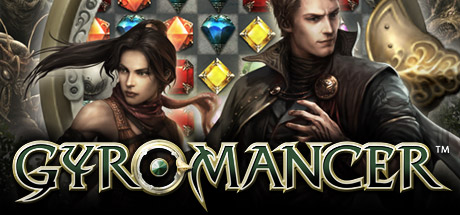
Gyromancer is a Pop Cap / Square Enix collaboration. This is a Puzzle RPG. Join Rivel and his companion, Laska, on a grand chase spanning twelve stages. What awaits at the end of the hunt?Each stage contains its own objectives, from defeating the beasts that block your way to solving puzzles before time runs out.
Modeled estimate, not a reported figure. How we estimate →
Media
About
Genres
Stats
All-time low is the lowest price we've recorded for this game since we started tracking it.
Languages: English, French, German, Italian, Japanese, Spanish - Spain
Engagement
Hours played at review time, across 40 reviews with recorded playtime.
Reviews
Do you like Bejeweled Twist: the 2008 video game? Because that's what Gyromancer is. It's just Bejeweled Twist the 2008 video game with some very flimsy prop graphics. I guess on the positive side, if you can't get Bejeweled Twist to recognize that you have a graphics card that wasn't made in 2008, Gyromancer may do better. Otherwise, it's a fairly repetitive experience, but sometimes all you want after a long day is some mindless grinding. You can do a lot worse for $6. You can do better, yeah, but you can do a lot worse, too. It's a tepid thumbs-up.
The game is a very niche puzzle RPG, turning Bejeweled Twist into a combat system with summoned monsters (yes, Pokemon) with more than 15 hours to complete the story. It is very grindy for what it is, but I enjoyed it. It fails for technical reasons because on modern machines certain sound and visual effects from the battle can cause it to crash and it has no internal limiter so it will use 100% of CPU and GPU unless you frame limit it in your GPU's control panel.
[b]Gyromancer to gra typu puzzle "Match 3" w stylu Bejeweled Twist z elementami RPG. Teoretycznie mamy tutaj też coś z gier podobnych do Pokemon, ale o tym za chwilę ...[/b] Fabuła przedstawiona jest pomocą statycznych scenek w sposób liniowy, więc podążamy za opowieścią niczym w typowym visual novel. W sumie samo przedstawienie historii zostało wykonane w mało interesujący sposób, czyli totalnie nie wciąga. Na początku gry wybieramy misję - kolejne pojawiają się po zaliczeniu poprzedniej. Każda z nich ma pewne cele do wykonania, ale w sumie sprowadzają się do tego samego, czyli pokonania bestii poprzez układanie klejnotów. Czasem dodatkowo pojawia się utrudnienie, aby ułożyć określoną ilość kombinacji w zadanym limicie czasowym. Walki toczą się oczywiście przy pomocy mechaniki puzzli Bejeweled Twist, czyli obracamy kwadraty składające się z 4 sztuk klejnotów (w kierunku wskazówek zegara). Pojedynki toczymy za pomocą bestii, czyli typowy element ze zbieraniem stworów (jest ich w sumie niewiele). Na misję możemy zabrać jedynie 3 bestie, jednak w samym pojedynku uczestniczy tylko jedna z nich (nasz wybór). Bestie mają przypisane żywioły, które sprawiają, że niektóre z nich mają przewagę nad innymi. Sam pojedynek jest dla mnie ogromnym rozczarowaniem. Bestie dysponują różnymi atakami, jednak nie mamy możliwości manualnego wyboru konkretnego ataku, a zamiast tego odpalane są one automatycznie po naładowaniu za pomocą zebranych energii. W takim np. Puzzle Quest zostało to o wiele lepiej wykonane, gdzie umiejętności były w pierwszej kolejności ładowane, a gracz potem mógł je aktywować w dowolnym momencie. Oczywiście istnieją dodatkowe urozmaicenia podczas walki z silniejszymi przeciwnikami, typu klejnoty, których nie można przesunąć lub usunąć z planszy, jednak w dalszym ciągu walki są mega powtarzalne i zaczynają szybko nużyć. Wspomnę jeszcze, że ruchy są wykonywane jedynie po naszej stronie, a przeciwnik-bestia jest całkowicie bierny. Plansza z klejnotami należy jedynie do nas! Jeśli chodzi o cechy RPG, to można uznać za taką rozwój naszego protagonisty, który jednocześnie ma wpływ na poziom bestii. I to tyle... Bestie mają z góry narzucone ataki i statystyki. Brak dodatkowej decyzyjności. Dodatkowo brak zdobywanego uzbrojenia, czy możliwości wskazania kierunku rozwoju postaci po uzyskaniu kolejnego poziomu. Możemy jedynie zdobyć jednorazowe boosty do wykorzystania podczas walk. Szukam jakichś pozytywów tej gry, ale trudno mi je znaleźć. Od biedy samo układanie puzzli jest nawet wciągające, przynajmniej w krótkich sesjach. Mroczna oprawa graficzna też może się podobać, ale na dzisiejsze standardy jest już nieco leciwa. Muszę też wspomnieć o błędzie związanym z ilością klatek na sekundę. Gra nie limituje ich ilości, ani nie ma możliwości ustawienia limitu w opcjach gry, co znacznie obciąża procesor na nowych systemach operacyjnych. Skoki do 900 klatek na sekundę to norma. [b]Podsumowując, o ile lubię Puzzle Quest czy Clash of Heores, to... Gyromancer nie mogę polecić z czystym sumieniem. Po prostu ta gra nie rajcuje i tyle w temacie. [/b]
For some reason, Steam won't allow me to say NO I wouldn't recommend it to friends. So I come here to say it. The game crashes on me for no reason I can attribute to anything. It's okay when it doesn't crash but that kills the fun.
one of the worst puzzle games with the final fantasy brand. Pop cap got it's greedy arms into the game and made it super grindy.
Este juego surgió como una broma. Square Enix era la distribuidora de PopCap en Japón, y en una de estas reuniones, el cofundador de PopCap dijo de coña que molaría hacer un Final Fantasy Bejweled, y a Square Enix les encantó la idea. Y aquí está el fruto de aquello. La historia está curiosa, y su toque RPG está muy bien. El juego puede llegar a hacerse muy pesado porque al final el planteamiento no varía. La guionista de la historia es la misma que hizo la de FINAL FANTASY TACTICS ADVANCE y la música es obra de Sekito, guitarrista de los Black Mages (la banda de Nobuo Uematsu) y con una dilatada carrera. Por los 2,39 € que cuesta de oferta merece la pena darle una oportunidad a esta rareza de FINAL FANTASY Candy Crush.
A Popcap/Square Enix collab that's a match 3 monster battler. It seemed okay at first but the overland maps that constantly spawn enemies, along with some of the more irritating enemy monster abilities turn the game into a slog.
Yes.
Developed by Square Enix in collaboration with PopCap Games and published by Square Enix, Gyromancer is an inventive blend of puzzle-solving and role-playing that successfully combines two genres rarely seen together. Rather than following the traditional turn-based formula associated with fantasy RPGs, the game centers its battles around rotating groups of gems on a puzzle board, creating a combat system that rewards careful planning as much as quick thinking. The result is a unique experience that feels both familiar and refreshingly different, offering something that stands apart from standard role-playing adventures. The story follows Rivel, an experienced summoner who journeys through the mystical Aldemona Wood while pursuing dangerous foes and uncovering the secrets hidden within the enchanted forest. Throughout the campaign, players encounter magical creatures, ancient powers, and mysterious characters that gradually expand the world's lore. While the narrative contains enough intrigue to maintain interest, it primarily serves as a framework for the gameplay rather than being the game's strongest feature. The pacing remains steady, and although the cast may not leave a lasting impression, the fantasy setting provides an enjoyable backdrop for the adventure. Combat is where Gyromancer truly shines. Instead of selecting attacks from menus, players rotate clusters of gems to create matches that charge abilities, trigger monster attacks, and activate powerful skills. Every decision influences the flow of battle, requiring players to think several turns ahead while also adapting to enemy actions. This system transforms a simple puzzle mechanic into an engaging tactical challenge where positioning, timing, and resource management become just as important as creating large combinations. As stronger enemies introduce new abilities and strategies, battles remain engaging throughout the lengthy campaign. Another highlight is the extensive collection of summonable monsters. Players can recruit a wide variety of creatures, each featuring unique elemental affinities, combat roles, and special abilities. Some monsters excel at dealing heavy damage, while others specialize in support, defensive tactics, or manipulating the puzzle board itself. Building an effective team becomes a satisfying process of experimentation, as different encounters encourage players to adjust their lineup and take advantage of each monster's strengths. Character progression, monster leveling, and customization provide a rewarding sense of growth that complements the puzzle mechanics exceptionally well. Outside of combat, the game offers a respectable amount of content through branching maps, optional missions, hidden objectives, and replayable stages. Exploring different routes and completing side challenges rewards players with stronger monsters, valuable items, and additional opportunities to improve their roster. This structure encourages exploration without forcing unnecessary grinding, and completionists will appreciate the incentive to revisit previous locations after unlocking more powerful summons and abilities. Visually, Gyromancer embraces a dark fantasy style that fits its setting well. Character illustrations and monster artwork display a distinctive artistic direction, while the environments effectively capture the mysterious atmosphere of the magical forest. Although the game relies heavily on static artwork and limited animation due to its age, the overall presentation remains appealing. The soundtrack also deserves praise, delivering orchestral themes that enhance exploration and battles alike. Sound effects during puzzle rotations and successful attacks provide satisfying feedback, making each move feel impactful. Despite its creativity, the game is not without flaws. The story, while enjoyable, lacks the emotional depth and memorable character development found in many larger role-playing games. Some encounters can become lengthy, particularly against defensive opponents, and repeated puzzle battles may eventually feel repetitive for players who prefer greater gameplay variety. The interface and presentation also reflect the game's original era, occasionally feeling dated compared to modern puzzle RPGs. Nevertheless, these shortcomings rarely overshadow the depth and originality of the core gameplay. Gyromancer succeeds because it fully commits to merging two completely different genres into a cohesive experience. The puzzle mechanics never feel like a gimmick, and the RPG progression adds meaningful depth that keeps every encounter engaging. Players who enjoy strategic thinking, monster collection, and unconventional combat systems will find plenty to appreciate, while fans of traditional puzzle games may discover an unexpectedly rewarding role-playing adventure. Even years after its original release, Gyromancer remains a creative and entertaining title that demonstrates how innovative game design can emerge from combining familiar ideas in fresh ways. Rating: 6/10
This is fun, I like the Bejeweled Twist elements mixed in with an RPG since I like both! If you like both Bejeweled Twist and RPGs, chanced are you will also really like this game!
Related
Related
Trends
Modeled estimate over time, reconstructed from Steam's monthly review histogram.
Momentum
Pace estimated from the game's recent review growth (our daily snapshots) at its own sales-per-review ratio — a momentum signal, not booked sales.
Audience
Estimated from the language of this game's reviews — a proxy for where players are, not official Steam demographics.
Related
| Handyman Corporation | $58.5K | 157 | 50% | $11.99 |
| Demon Goblin and Mr. Knight 小鬼哥布林與騎士先生 | $58.5K | 246 | 97% | $9.99 |
| Part-Time Witch | $58.5K | 217 | 82% | $6.99 |
| Samurai GUNN | $58.5K | 464 | 92% | $4.99 |
| Dragon Creek | $58.6K | 148 | 90% | $14.99 |
| Anthophobia | $58.6K | 222 | 94% | $14.99 |