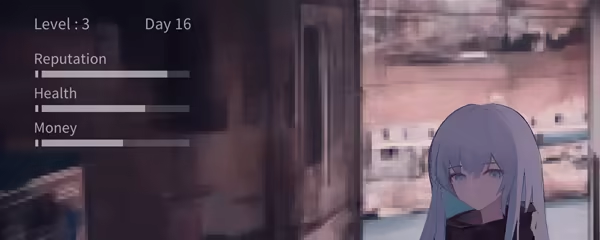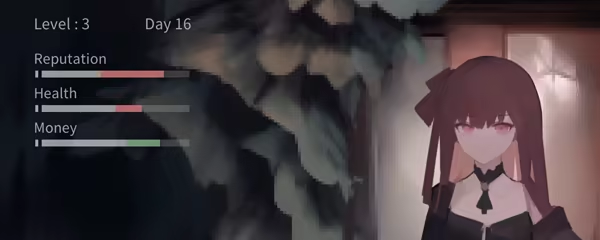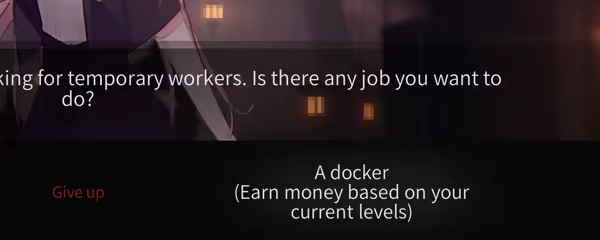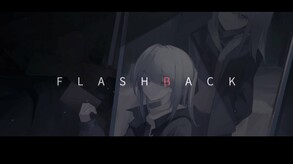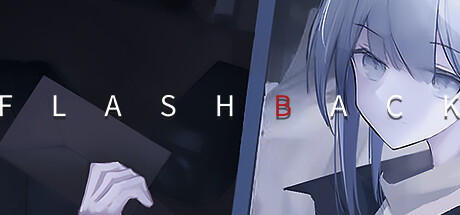
Flashback is a strategy game oriented to your choices. You will play the role of a deliveryman and live in a turbulent city for a month. You will meet various characters and experience events, and those characters' fates will cross and they will usher in their own futures based on your choices.
Modeled estimate, not a reported figure. How we estimate →
Media

About


Stats
All-time low is the lowest price we've recorded for this game since we started tracking it.
Languages: English, Japanese, Simplified Chinese, Traditional Chinese, Korean
Engagement
Hours played at review time, across 40 reviews with recorded playtime.
Reviews
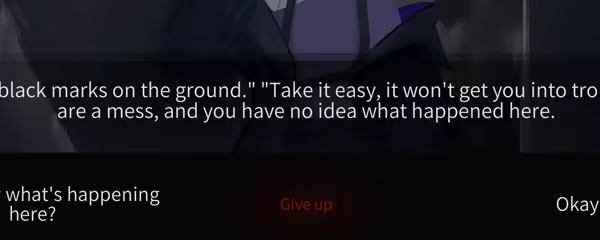
Flashback, developed and published by Renka, is a compact and thoughtful indie game that blends decision-based storytelling with light strategy elements, all wrapped in an atmospheric narrative about survival, responsibility, and consequence. The game places you in the role of a deliveryman living in a chaotic city where every day presents new challenges, moral choices, and unpredictable encounters. The premise seems simple at first glance, but its execution is layered and deliberately paced, inviting players to reflect on their decisions rather than rush through them. Each of your actions, from how you handle customers to how you balance your resources and emotions, shapes not only your personal journey but the lives of those around you. It’s a small-scale experience with big emotional weight, using minimal mechanics to explore themes of perseverance, identity, and the quiet struggles of daily existence. Structurally, Flashback unfolds over a fixed timeline of thirty in-game days. Every day introduces a new event or encounter that forces you to make a decision—sometimes practical, sometimes moral, and often ambiguous. Each choice affects a set of underlying attributes that represent aspects of your character’s psyche and wellbeing. Letting any of these values drop too low or rise too high can trigger various endings, both tragic and unexpected. This constant balancing act forms the heart of the gameplay. The system rewards restraint and foresight; impulsive decisions may feel right in the moment but can have long-term consequences that only reveal themselves later. This design keeps the experience tense and meaningful, despite its simplicity. The game’s brilliance lies in how it makes every small action feel significant, creating a sense of realism in its portrayal of decision-making under pressure. A distinctive mechanic allows the player to “give up” during certain events, effectively letting another personality take over. Doing so causes your attributes to decrease but can sometimes unlock unique outcomes that wouldn’t otherwise be accessible. This feature introduces an intriguing psychological layer, suggesting a fragmented self or a desperate survival instinct that emerges under duress. It also adds replay value, encouraging experimentation with different mindsets and behaviors. This interplay between control and surrender fits thematically with the game’s story of human vulnerability in a turbulent world. It’s a small but elegant system that deepens the emotional complexity of what might otherwise be a straightforward narrative simulation. Visually, Flashback keeps things modest but effective. The presentation is minimalist, with clean interfaces and understated artwork that serve the story rather than distract from it. Text-driven events, simple character portraits, and carefully chosen background colors establish mood without requiring elaborate animation. This restraint fits the game’s meditative tone and makes it accessible to players regardless of hardware. The sound design mirrors this philosophy: soft ambient tracks and subtle sound cues create a reflective atmosphere that complements the story’s melancholy pacing. Renka clearly understands the value of atmosphere, using it not to overwhelm but to immerse. Every element—from the sparse dialogue to the subdued visual style—feels intentionally designed to highlight the weight of your decisions. Flashback’s structure makes it naturally replayable. The short in-game calendar and branching outcomes encourage multiple playthroughs to uncover hidden scenes, alternative fates, and secret endings. The narrative doesn’t overstay its welcome; instead, it invites players to revisit it with a different mindset or moral compass. Each run feels like a new perspective on the same city and the same struggles, offering just enough variation to stay engaging without feeling repetitive. However, its simplicity can also be its limitation. Players seeking complex systems, deep character customization, or extensive dialogue trees may find its mechanics too light and its story too fleeting. It’s not a game that thrives on grand spectacle but rather on small, intimate moments and quiet revelations. What makes Flashback stand out among other indie narrative titles is its focus on emotional realism rather than dramatic flair. It’s a game about the ordinary person caught in extraordinary circumstances, about how choice and chance intertwine to shape a life. The setting—a crumbling, turbulent city—feels less like a backdrop and more like a mirror for the protagonist’s internal struggle. Through simple interactions and understated storytelling, it captures a universal sense of human endurance in the face of uncertainty. It’s the kind of game that rewards contemplation rather than mastery, a story that stays with you because of how personal your experience feels rather than how grand its narrative becomes. In the end, Flashback is a quiet triumph of minimalism and meaning. It distills the complexity of life into a series of small, consequential moments and challenges players to find balance where none seems possible. Its short runtime, accessible design, and replayable structure make it approachable, but its emotional core gives it depth that lingers long after the screen fades to black. Renka’s work is a testament to the power of simplicity done well—a reminder that games don’t need massive worlds or elaborate mechanics to make us reflect on who we are and the choices we make. Flashback doesn’t just tell a story; it lets you live one, fleeting yet profound, in a world that feels all too human. Rating: 8/10
一杯奶茶钱,能玩到还不错的游戏。
Interesting game for less than a dollar. Very grindy.
糟糕的数值加减肉鸽游戏,事件少得可怜,1小时下来,同一个事件可以遇到几十次,数值加减速度和阅读体验相冲突,同时又毫无故事性可言。周目周期过短,几分钟可以结束一局,而且有90%的概率是死。最终成品可能小品级游戏都不算,更像是花生粒上没人想吃的花生皮。
단순히 뇌 비우기 좋긴 하지만 무작위가 진실쪽 가기가 너무 힘들게 해놓았다. 특히 100 초과시10 초기화 기능이 너무 어렵게 만들었다 추가 5시간만에 완료 스트리머에게도 할만하다. [spoiler] 초기화 기능을 피하고 싶다면 초기화 단계에서 강제 종료후 다시 키면 포기 선택지가 나온다.[spoiler]
Gran juego, aunque me hubiera gustado jugarlo en mi español, me esta encantando las historias que tiene cada personaje individual, no soy una fan de las novelas visuales pero esta me esta enganchando
8/10 一款风格独特清新的选择取向角色扮演游戏,以玩家通过事件选项调控主角的各项数值作为核心玩法,游戏流程非常短,目标为收集不同的结局,适合消耗碎片时间,随机性因素非常大,几乎不可控制
難しすぎるよ
サンセット・ルートの世界線とつながっているのか……!
Related
Related
Trends
Modeled estimate over time, reconstructed from Steam's monthly review histogram.
Momentum
Pace estimated from the game's recent review growth (our daily snapshots) at its own sales-per-review ratio — a momentum signal, not booked sales.
Audience
Estimated from the language of this game's reviews — a proxy for where players are, not official Steam demographics.
Related
| The Day Before You Gone | $9.3K | 60 | 78% | $8.99 |
| Witch of Ice Kingdom Ⅱ | $9.3K | 99 | 89% | $3.99 |
| Office Battle | $9.3K | 836 | 76% | $0.49 |
| The Fairy's Secret | $9.3K | 50 | 92% | $11.99 |
| Short Trip | $9.3K | 301 | 98% | $1.99 |
| Girls Cairo Papyrus | $9.3K | 100 | 52% | $4.99 |