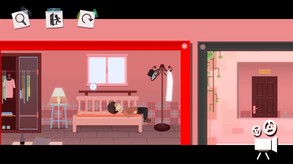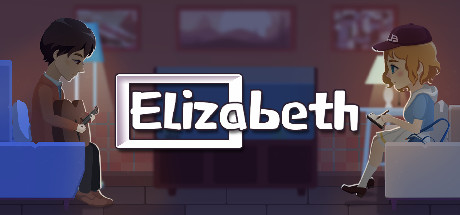
Elizabeth is a decryption leisure game.The protagonist is a young man who has just stepped into the society, shuttling through the picture frame in search of freedom and love.The game screen is fresh and lovely, each level has rich puzzles waiting for players to solve.
Modeled estimate, not a reported figure. How we estimate →
Media

About


Genres
Stats
All-time low is the lowest price we've recorded for this game since we started tracking it.
Languages: English, Simplified Chinese
Engagement
Hours played at review time, across 40 reviews with recorded playtime.
Reviews
Themes across 40 recent reviews and how positive each mention is. A keyword signal, not full sentiment analysis.
positive critical· bar length = how often the theme comes up
Reviews
感谢西瓜视频 6小时才全成就是有点菜了 其实多数卡在最后一关的绘画结局关卡,其他成就其实都很简单 “死亡”成就看着列表也很轻松 隐藏结局一个我是偷了攻略的哈哈哈哈 目前只有第一章,内容实际上有点少,故事线也非常简单,解密方面可以给6/10。 不过解密方式还是很清新的,值得一玩。
特别有意思的东西
游戏画面温馨,规则也挺简单的,拼接画让主角到目的地见小姐姐,小机关的设计也挺有意思的。不足是最后一关神tm难,真是对着攻略摆都过不去,差一点点都过不去(最终我也没过去),明明微调就能解决问题每次都要重头来摆,动画看了无数遍,挺影响游戏体验的。总体来说还可以,只是细节做得很不到位
听说玩法类似致命框架就买来玩了玩,结果比致命框架还难,特别是最后几关,查攻略才过。刚玩还以为就单纯解谜,没想到还是个纯爱小故事。价格也不贵,还不错。
6/10 Головоломка, в которой требуется составить цепочку из кадров, по которой ГГ сможет добраться до конца уровня в целости и сохранности. Поначалу играется весьма неплохо, но ближе к середине начинается страдать логика и предсказуемость, из-за чего приходится многие моменты проходить перебором вариантов.
还可以,就是有些地方完全依靠想象力来通关,扯得很;玩到全关卡的一半左右觉得太累了,不想玩了,好评差评都不想给,但是又没有中评😅
玩个游戏都要吃狗粮呢
好玩,除了倒数二、三关有点焦头烂额,其余部分还是很休闲的~就是提示按钮太意识流了,玩到通关找【拼图】成就的时候才明白提示是怎么用的orz
Elizabeth, developed by NeutronStar.studio and published by Gamirror Games, is a beautifully minimalist narrative puzzle game that approaches storytelling through symbols and quiet reflection rather than through dialogue-heavy exposition. It tells the story of an ordinary man who lives a monotonous life defined by work and routine, until a fateful encounter with a woman on the subway transforms his sense of purpose. This meeting becomes the catalyst for change, prompting him to leave behind the mechanical rhythm of modern urban existence and pursue something more emotional and uncertain. The game’s premise might sound simple, but the way it combines puzzle-solving with subtle narrative cues turns Elizabeth into a meditative experience about love, memory, and the struggle to break free from the boundaries of everyday life. It’s a story about rediscovering warmth in a cold, automated world, and it’s told not through words, but through space, motion, and quiet design choices. At its core, Elizabeth is a game about rearrangement—physically, mentally, and emotionally. The player is tasked with solving a series of spatial puzzles where rectangular “frames” serve as both the environment and the mechanical interface. Each puzzle involves manipulating these frames by dragging and repositioning them so that the protagonist can traverse from one point to another. Early stages start off simple, easing players into the concept of matching white and black frames to align paths, but soon new layers of challenge emerge. Some frames overlap, some contain obstacles, and others move in ways that affect the layout dynamically. The design of each level feels handcrafted to evoke a specific rhythm, and progress through these puzzles mirrors the emotional and psychological journey of the protagonist. Each completed puzzle isn’t just a victory of logic—it represents a breakthrough, a small act of reconfiguration that mirrors his efforts to reshape his life. What gives Elizabeth its quiet power is how seamlessly the puzzles integrate with the narrative subtext. Instead of presenting story segments separately, the game uses the act of puzzle-solving itself as a form of storytelling. Every level feels like a metaphor for an emotional stage—the tension of disconnection, the fragility of hope, the search for belonging. The protagonist’s small figure moves wordlessly through these frames, stepping through literal and symbolic barriers in pursuit of something just out of reach. The transitions between levels are soft and reflective, often accompanied by simple visual motifs that evoke memory and emotion: a train, a fleeting silhouette, a letter, a streetlight at dusk. There’s an almost cinematic quality to how the game uses stillness and silence, allowing moments of quiet contemplation between interactions. It doesn’t demand attention through noise or urgency, but rather invites the player to slow down and think. Visually, Elizabeth achieves elegance through restraint. The art style is clean and painterly, relying on soft lighting, simple shapes, and a muted color palette that alternates between melancholy grays and gentle pastels. The protagonist and other characters are rendered with minimal detail, almost as though they’re sketches that fade at the edges, emphasizing the fragility of memory. The backgrounds, while sparse, carry a sense of emotional space—offices, apartments, and streets appear abstracted, existing somewhere between dream and reality. These elements combine to create an atmosphere that feels deeply personal yet universal. The absence of visual clutter makes the player focus on the subtle animations of the moving frames and the small human figure navigating through them, giving the puzzles a theatrical, almost stage-like presence. Every level feels like a vignette frozen in time, and the player’s interaction becomes a performance that brings motion back into stillness. The music and sound design reinforce the introspective mood. The soundtrack consists primarily of gentle piano melodies and ambient tones that ebb and flow with the pace of play. The sound effects are deliberately minimal—soft clicks, distant chimes, and the subdued sound of movement. These auditory choices create a soothing rhythm that complements the reflective pacing. The game’s silence between notes is just as meaningful as the music itself, creating emotional pauses that let the player absorb the atmosphere. When the story reaches moments of quiet revelation or melancholy, the music subtly shifts in tone, offering a sense of emotional continuity without ever overpowering the visuals or gameplay. It’s a minimalist approach, but one that succeeds because of its precision; every sound feels placed with care. In terms of gameplay progression, Elizabeth manages to strike a satisfying balance between accessibility and challenge. The learning curve is gentle, introducing mechanics gradually while maintaining a consistent sense of discovery. The later levels demand careful observation and planning but rarely feel unfair or overly complex. What stands out is how natural the progression feels—the puzzles grow more intricate not through arbitrary difficulty spikes but through expanding the player’s understanding of how frames interact. Each new rule feels like a logical extension of what came before. Even when the game grows more complex, its calm presentation keeps frustration at bay. It encourages experimentation and rewards persistence with moments of genuine insight. Completing a particularly difficult puzzle doesn’t just feel like solving a riddle; it feels like unlocking an emotional truth hidden within the design. The narrative arc that threads through the puzzle sequences is intentionally understated. There are no branching dialogues, no elaborate cutscenes, and no overt explanations of events. Instead, the story unfolds like a memory, pieced together through imagery and suggestion. The unnamed protagonist’s encounter with the titular Elizabeth becomes the emotional anchor of the experience, but the game never idealizes or romanticizes it in a conventional sense. Their connection feels fragile and fleeting, more like an impression than a concrete relationship. That ambiguity allows players to project their own interpretations—some may see it as a love story, others as a meditation on self-discovery or loss. What’s remarkable is how the game sustains its emotional coherence despite saying so little. Its restraint invites reflection, turning the experience into something deeply personal for each player. As a complete package, Elizabeth is both modest and resonant. It doesn’t rely on spectacle or technical showmanship, but on careful design and emotional honesty. The puzzles, art, and music work together to form a cohesive experience that feels intimate and thoughtful. There are minor shortcomings—its brevity may leave some players wanting more, and its slow pacing might not appeal to those seeking constant stimulation—but these limitations are consistent with its artistic intent. It’s a game that values feeling over flash, process over outcome. The simplicity of its structure allows its themes to linger long after the final level is completed. Elizabeth stands as a quiet triumph of design minimalism—a gentle, poetic meditation on change, connection, and the small acts of courage required to rearrange one’s life. It embodies the beauty of subtlety, proving that a game doesn’t need grand scope or elaborate mechanics to leave a lasting impression. Through its delicate puzzles and wordless storytelling, it reminds players that even the smallest decisions can open new paths, and that sometimes, breaking free from the frames that define us is the greatest puzzle of all. Rating: 7/10
休闲解谜小游戏 有点像小时候玩的梦游先生 感觉更适合在平板上玩
Related
Related
Trends
Concurrent players on Steam, sampled daily since tracking started.
Audience
Estimated from the language of this game's reviews — a proxy for where players are, not official Steam demographics.
Related
| Tiny Dino | $2.6K | 51 | 75% | $2.99 |
| Femboy Bangers 2 | $2.6K | 188 | 80% | $0.99 |
| Beat This Game To See Hot Lady | $2.6K | 108 | 94% | $0.99 |
| Super Kill-BOI 9000 | $2.6K | 58 | 95% | $1.99 |
| Super Treasure Arena | $2.6K | 81 | 63% | $1.59 |
| Wasted Pizza | $2.6K | 130 | 35% | $0.99 |
Related
| 7 Days to Die | $425.3M | 403.6K | 87% | $44.99 |
| Euro Truck Simulator 2 | $421.6M | 932.3K | 97% | $19.99 |
| Mount & Blade II: Bannerlord | $309.8M | 294K | 88% | $49.99 |
| Palworld | $279.6M | 447.5K | 94% | $20.99 |
| Stardew Valley | $258.9M | 881.6K | 99% | $14.99 |
| The Forest | $254.8M | 678.6K | 96% | $19.99 |