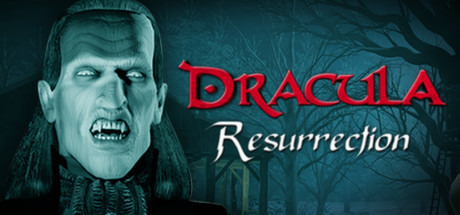
Dracula: The Resurrection is a classic point-and-click adventure that embodies the ambitions and limitations of late-1990s narrative-driven PC games, offering a slow, atmospheric journey steeped in gothic horror and literary reverence. Developed and published by Microids, the game serves as a loose continuation of Bram Stoker’s Dracula, positioning itself not as an action-packed retelling, but as a contemplative exploration of obsession, fear, and the lingering influence of evil. Set in 1904, several years after the apparent defeat of Count Dracula, the story follows Jonathan Harker as he returns to Transylvania to uncover why his wife Mina feels an irresistible pull back toward the land of the vampire.
The game unfolds entirely through a first-person perspective, using pre-rendered 3D environments navigated by clicking through fixed viewpoints. This design choice places strong emphasis on mood and visual storytelling, encouraging players to absorb their surroundings rather than rush forward. Locations such as fog-laden forests, desolate inns, abandoned mines, and Dracula’s looming castle are presented as eerie, carefully staged tableaux that invite slow observation. While movement is restricted to predefined angles, the environmental detail and lighting work together to create a sense of unease and isolation that suits the gothic tone. Even without frequent on-screen threats, the world feels oppressive, as if Dracula’s presence lingers invisibly in every shadowed corridor.
Gameplay adheres closely to traditional point-and-click adventure conventions. Progression is driven by exploration, item collection, and puzzle solving, often requiring players to examine their surroundings carefully and interact with subtle hotspots. Puzzles range from logical object use to more abstract challenges rooted in the game’s supernatural themes. A recurring artifact known as the Dragon Ring plays a central role, acting as both a narrative symbol and a gameplay mechanic that allows interaction with otherwise inaccessible elements. While the puzzle design is generally consistent with genre standards of its era, it can feel opaque at times, with progress occasionally hinging on finding small, easily missed interaction points rather than on clear deductive reasoning.
Narratively, the game favors atmosphere over complexity. Dialogue is sparse, and much of the storytelling is conveyed through setting, sound design, and implication rather than explicit exposition. Dracula himself rarely appears directly, but his influence permeates the experience, reinforcing the idea that the true horror lies not in confrontation but in anticipation and psychological tension. The soundtrack and ambient audio play a crucial role here, using somber melodies and unsettling silence to heighten unease as players move deeper into hostile territory. This restraint gives the game a literary sensibility, aligning it more closely with gothic fiction than with modern horror games built around spectacle.
Viewed through a modern lens, the age of Dracula: The Resurrection is impossible to ignore. Interface elements are rigid, navigation can feel slow, and the reliance on pixel-hunting can lead to frustration, especially for players unfamiliar with older adventure game design. Voice acting and animations vary in quality, and the game’s relatively short length may leave some players wanting more narrative depth or mechanical complexity. However, these shortcomings are also part of its historical identity, reflecting a time when atmosphere and visual fidelity were prioritized over convenience and accessibility.
Ultimately, Dracula: The Resurrection is best appreciated as a piece of adventure game history rather than a modern reinterpretation of the genre. Its strengths lie in its moody presentation, faithful gothic atmosphere, and commitment to slow, deliberate storytelling. While it may test the patience of players accustomed to contemporary design sensibilities, it offers a rewarding experience for those willing to engage with it on its own terms. For fans of classic point-and-click adventures, gothic horror, or literary-inspired games, it remains a memorable descent into a dark, haunting world where fear is built not through action, but through atmosphere and anticipation.
Rating: 5/10