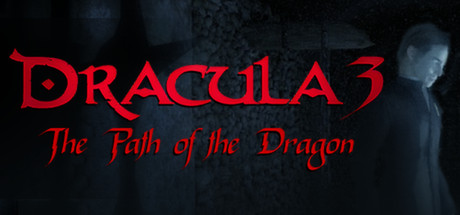
Dracula 3: The Path of the Dragon is a slow-burning, cerebral gothic adventure that leans heavily into investigation, atmosphere, and religious intrigue rather than overt action or constant spectacle. Developed and published by Microids, this third entry in the Dracula adventure series deliberately steps away from the direct continuation of Jonathan Harker’s story and instead presents a standalone narrative set in 1920, offering a more introspective and scholarly take on vampire mythology. It is a game that asks for patience, attention, and curiosity, rewarding players who enjoy unraveling mysteries through careful observation and deduction.
The story places the player in the role of Father Arno Moriani, a Vatican investigator sent to Transylvania to examine the life and death of a local doctor whose legacy may qualify him for sainthood. What begins as a theological inquiry slowly transforms into something far more unsettling, as Moriani uncovers links between religious doctrine, ancient cults, and vampiric legends rooted in the region’s history. Rather than presenting Dracula as an immediate physical threat, the game treats him as a looming intellectual and spiritual presence, building tension through documents, testimonies, and historical revelations. This narrative approach gives the story a unique tone, blending horror with philosophical and religious themes rarely explored so deeply in adventure games.
Gameplay follows a first-person point-and-click structure built around panoramic, 360-degree environments. Players move between locations by clicking navigation points, examine objects closely, speak with characters, and collect information rather than a large inventory of random items. Compared to earlier adventure titles, the interface is relatively restrained, keeping the screen clear and placing emphasis on the environment itself. Journals, letters, books, and reports play a central role, and progress often depends on reading, interpreting, and cross-referencing information rather than simply combining objects. This makes the experience feel more like an interactive investigation than a traditional item-based puzzle adventure.
Puzzles are tightly integrated with the narrative and often demand careful reasoning rather than experimentation. Many challenges involve deciphering symbols, understanding historical or religious context, or applying logical conclusions drawn from documents you’ve already encountered. When these puzzles click, they are deeply satisfying, reinforcing the feeling that you are uncovering forbidden knowledge piece by piece. However, the game does not always communicate its expectations clearly, and some puzzles can feel opaque or overly complex, especially if a key detail has been overlooked. Progress may stall for extended periods, not because of mechanical difficulty, but because the solution requires a particular interpretive leap.
Visually, Dracula 3: The Path of the Dragon excels in mood and environmental detail. Locations such as monasteries, libraries, ruins, and fog-laden villages are rendered with care, using lighting and color to evoke unease and decay. The pre-rendered backgrounds and panoramic views are undeniably dated by modern standards, but the art direction remains effective, especially in how it frames isolation and dread. Interiors feel claustrophobic and heavy with history, while exterior scenes emphasize the bleakness of the surrounding landscape. The static nature of the environments slows exploration, but it also reinforces the contemplative tone of the game.
Sound design and music further support the atmosphere. The score is subdued and ominous, often fading into the background to let ambient sounds dominate. Creaking structures, distant wind, and subtle audio cues heighten tension without relying on sudden shocks. Voice acting is present but inconsistent; some performances convey gravity and menace effectively, while others sound stiff or overly theatrical. While this unevenness can break immersion at times, it also reflects the era in which the game was produced and may feel familiar to fans of classic adventure titles.
The pacing of the game is deliberately measured, sometimes to a fault. Long stretches of reading, exploration, and backtracking are common, and there are few moments of immediate danger or urgency. For players who enjoy methodical storytelling and slow accumulation of knowledge, this pacing enhances immersion. For others, it can feel draining, particularly when combined with difficult puzzles that halt progress. Dracula 3 does not rush its revelations, preferring to let the mystery unfold gradually, even if that means testing the player’s endurance.
Playing the Steam version today highlights both the strengths and limitations of the game’s design. It remains largely untouched in terms of modernization, preserving its original mechanics and structure. This makes it appealing to players seeking a faithful classic adventure experience, but it may alienate those accustomed to modern quality-of-life features such as hint systems, streamlined navigation, or clearer feedback. Technical quirks and dated visuals are part of the package, not flaws that have been smoothed over.
Ultimately, Dracula 3: The Path of the Dragon is a game that values intellect and atmosphere over accessibility and momentum. It is at its best when it invites players to think deeply about its themes, piece together fragmented knowledge, and immerse themselves in a somber, scholarly interpretation of gothic horror. While its slow pace, challenging puzzles, and dated presentation limit its appeal to a niche audience, those who appreciate traditional point-and-click adventures and richly layered storytelling will find it a thoughtful and haunting experience. It stands as a distinctive chapter in the Dracula game series, offering a more reflective and philosophical descent into darkness rather than a straightforward tale of survival.
Rating: 5/10