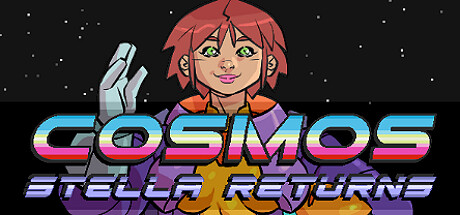
Cosmos: Stella Returns is a retro-inspired Metroidvania that wears its influences proudly while carving out its own modest but heartfelt identity. Developed and published by SEEP, the game places players in the role of Stella Mironova, a spacefaring warrior stranded on the enigmatic planet Memoria. From the very beginning, the experience communicates a clear intention: to deliver a tightly focused exploration-driven action platformer that prioritizes classic design sensibilities, mechanical clarity, and a steady sense of discovery over spectacle or narrative excess.
At its core, the game is built around familiar Metroidvania fundamentals. Players explore a large, interconnected world filled with branching paths, locked areas, environmental obstacles, and secrets that can only be accessed once the appropriate abilities are unlocked. Progression is gradual and deliberate, encouraging backtracking and curiosity rather than linear advancement. Each newly acquired skill meaningfully expands Stella’s movement or combat options, subtly reshaping how previously visited areas can be approached and reinforcing the satisfaction of mastery that defines the genre.
Combat in Cosmos: Stella Returns is straightforward but functional, leaning into precision rather than complexity. Encounters require careful timing, positioning, and awareness of enemy patterns, especially as the game ramps up difficulty in later regions. Boss fights serve as clear milestones, testing both mechanical skill and understanding of newly unlocked abilities. While the combat system doesn’t introduce radical twists, it remains consistently engaging thanks to tight controls and well-paced enemy design that avoids overwhelming the player with unnecessary mechanics.
Exploration is where the game truly shines. Memoria feels deliberately constructed to reward observation and persistence, with hidden rooms, optional upgrades, and collectibles scattered throughout its biomes. The map design encourages players to experiment and remember previously unreachable paths, fostering a strong sense of place despite the game’s relatively compact scope. Optional items and upgrades provide tangible incentives for thorough exploration, making completion feel rewarding without being mandatory for progression.
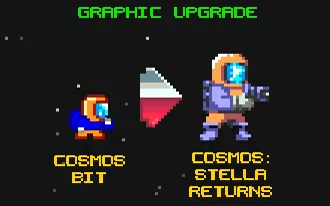
Visually, the game embraces a nostalgic pixel-art aesthetic reminiscent of 1990s action platformers. The environments are cleanly designed, readable, and distinct enough to differentiate regions without relying on excessive detail. Character sprites and enemies are expressive within their limitations, and the overall presentation prioritizes gameplay clarity over visual complexity. This restraint works in the game’s favor, ensuring that platforming challenges and combat encounters remain easy to read even during tense moments.
The audio design complements the visual direction well. A synth-heavy, atmospheric soundtrack underscores exploration and combat, reinforcing the sci-fi tone without overpowering the experience. Sound effects are crisp and functional, providing clear feedback for movement, attacks, and enemy actions. Together, the audiovisual elements create a cohesive retro-futuristic mood that supports immersion while staying true to the game’s old-school inspirations.
In terms of pacing and difficulty, Cosmos: Stella Returns strikes a generally fair balance. While some sections may feel demanding, the game avoids excessive punishment and typically allows players to recover quickly from mistakes. The learning curve is approachable, making it accessible to newcomers to the genre while still offering enough challenge to satisfy experienced players. Optional content and collectibles add replay value for those who enjoy completionist goals, extending the lifespan beyond a single playthrough.
Ultimately, Cosmos: Stella Returns is not a game that seeks to redefine the Metroidvania genre, but rather one that refines and celebrates its core principles. Its strengths lie in solid level design, consistent mechanics, and a clear respect for the genre’s roots. For players who appreciate classic action-platformers built around exploration, incremental growth, and atmospheric sci-fi worlds, the game offers a focused and enjoyable journey that feels sincere, polished, and comfortably familiar without being derivative.
Rating: 7/10