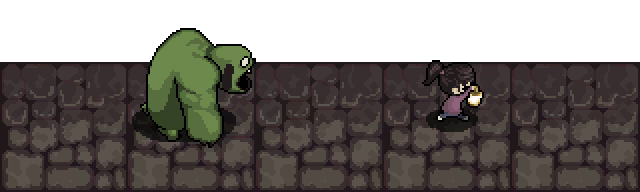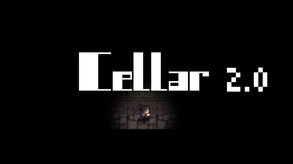
Short arcade game with handcrafted pixel art graphics. You play as Lily who traverses the dark corners of the basement under her house in search of her lost teddy bear. Inspired by some of the greatest fears from our childhood.
Modeled estimate, not a reported figure. How we estimate →
About

Genres
Stats
All-time low is the lowest price we've recorded for this game since we started tracking it.
Engagement
Reviews
Themes across 40 recent reviews and how positive each mention is. A keyword signal, not full sentiment analysis.
Reviews
It's okay
Show
I bet it's an asset flip. Extremely slow and tidious tile-set walking gameplay. Finishing the game without getting hit doesn't gave you the achievement. It plays royalty-free "womp womp" each time you die???? Either someone's first project or a cashgrab made by free assets.
Media

Related
Related
Price dynamics, follower growth, revenue and sales trajectories with interactive tooltips
This and every other Pro feature is free until October 20, 2026. A free account is all it takes.
Languages: English, German, Spanish - Spain, Polish, Swedish, Russian, Simplified Chinese, Traditional Chinese
Hours played at review time, across 41 reviews with recorded playtime.
positive critical· bar length = how often the theme comes up
☀️
.
Cellar, developed and published by Vertical Skull Games, is a small but memorable indie experience that dives deep into the kind of primal childhood fears that linger into adulthood. The game places players in the role of a child named Lily, who must descend into her home’s basement to retrieve her missing teddy bear, Blackbear the Pirate. What seems like a simple errand quickly transforms into a surreal, maze-like nightmare that blends nostalgic gameplay with quiet psychological unease. At its heart, Cellar is a minimalist exploration of darkness—both literal and metaphorical—crafted through simple mechanics and evocative design. It doesn’t rely on dialogue or exposition to build tension; instead, it creates an atmosphere of discomfort through its confined spaces, ambient noises, and sense of isolation that slowly gnaws at the player. The game’s presentation is rooted in retro pixel art, but beneath its simple appearance lies a keen understanding of tone. The dimly lit basements, filled with crates, corridors, and small lurking threats, manage to evoke genuine unease without resorting to gore or overt horror. The environment feels simultaneously familiar and alien—a place every player has seen in real life but twisted into something subtly wrong. Each of the eight levels introduces slightly new variations on this theme, with new layouts, obstacles, and lurking dangers. The restrained color palette of browns, grays, and flickering light helps maintain a claustrophobic mood throughout. The pixelated monsters and traps may look primitive, but their presence is enough to keep players on edge as they navigate the tight spaces and listen to the echo of each footstep. It’s a reminder that fear doesn’t always come from what’s visible—it often comes from what the imagination fills in. Cellar’s gameplay mechanics are deliberately simple but effective. Each level functions as a top-down maze, with players guiding Lily through the basement’s labyrinthine structure to find keys, avoid monsters, and unlock the way forward. It draws inspiration from old-school puzzle classics like Bomberman and Sokoban, where spatial awareness and timing are more important than quick reflexes. The challenge lies in maneuvering around obstacles, pushing crates, and avoiding the patrolling creatures that threaten to end your journey. The simplicity of the mechanics is both a strength and a limitation. On one hand, it ensures that the game is accessible and focused, never overwhelming the player with unnecessary complexity. On the other, it can feel repetitive for those accustomed to modern gameplay variety. Yet within its modest design, there is an elegance—the kind of purity that recalls a bygone era of indie experimentation where atmosphere and theme mattered more than length or mechanical depth. Sound plays a subtle but crucial role in shaping the experience. The sparse soundtrack, punctuated by distant hums, creaks, and the faint echoes of movement, enhances the sense of dread. There’s rarely any music to comfort the player, which amplifies the impact of each environmental sound. The silence becomes oppressive, making every encounter with a monster or discovery of a key feel weighted. Combined with the confined visuals, this auditory minimalism transforms the game into something that feels almost meditative—a quiet descent into fear that doesn’t rely on jump scares but instead builds slow, lingering tension. The absence of voice acting or cutscenes further reinforces the solitary nature of the experience. You are alone in this basement, left to interpret the darkness in your own way. Despite its brief runtime—typically around an hour—Cellar leaves a distinct impression. Its story may be minimal, but its emotional undercurrent is strong. There’s a nostalgic melancholy in retracing the steps of childhood fears through adult eyes, recognizing the absurdity of being afraid of a basement while still feeling that primal anxiety all the same. The final moments of the game, when Lily retrieves her lost bear, feel less like a victory and more like a moment of quiet release—a small triumph against an irrational but powerful fear. It’s this emotional subtlety that makes the game stand out among other small indie titles. The developer doesn’t try to stretch the concept beyond its limits; instead, Cellar ends when it should, leaving behind an echo of unease and reflection. Ultimately, Cellar is a modest but haunting indie game that thrives on simplicity and atmosphere. It doesn’t attempt to compete with larger productions, nor does it need to. It’s a personal, intimate experience—a short dive into darkness that recalls the uneasy feeling of being told to fetch something from the basement as a child and feeling watched by the shadows. The combination of its nostalgic design, focused gameplay, and psychological undertones makes it quietly effective. For players who appreciate minimalist storytelling and classic puzzle exploration wrapped in eerie ambience, Cellar offers a brief but memorable descent into fear and memory. It’s not a grand or complex adventure, but it captures something essential about the nature of childhood terror—the way small spaces and dim lights can become vast and endless when filtered through imagination and dread. Rating: 7/10
Cellar (2016, разработчик — Vertical Skull Games) — аркадная игра в жанре хоррора с видом сверху и пиксельной графикой. Суть: играть за Лили, которая ищет в подвале пропавшего плюшевого мишку Пирата Чёрного Медведя. Проходить лабиринты из ящиков и хлама, находить ключи для перехода на новые уровни. Ключевые особенности: пиксельная высокодетализированная графика; нарастающая сложность уровней и неумолимый ИИ противников; атмосфера детских страхов; зловещие звуковые эффекты и музыка; поддержка контроллера; достижения и секреты; платформа: PC (Windows, позже — Mac и Linux). Минусы: ограниченная продолжительность; тёмные локации — сложно ориентироваться; местами резкий скачок сложности; устаревшая визуальная стилистика. Итог: короткий атмосферный хоррор‑лабиринт для любителей пиксельной графики и ностальгии по детским страхам. Подойдёт для разового прохождения — лучше брать по скидке. Прохождение занимает 1–2 часа.
Loved it so much as a kid and am re-downloading it to play again, not that difficult, but I'm glad it's not. I like having a spooky game that isn't full of jumpscares but I'm just weak lol.
Cute stealth game with interesting and challenging levels that manage not to get frustrating. Like the name says, takes place inside a cellar where the main character's teddy bear is lost. That's the story, that's all you need to know.
"Cellar" — это игра, которая, к сожалению, не соответствует ожиданиям и оставляет себя с рядом недостатков, которые могут повлиять на удовлетворение от игрового опыта. 1. Графика и дизайн: Одним из явных недостатков является графическое исполнение. Оно может показаться устаревшим и неотшлифованным, что снижает общее визуальное воздействие игры. 2. Ограниченный геймплей: "Cellar" страдает от ограниченности геймплея. Отсутствие разнообразия в механиках и действиях может привести к скучному и предсказуемому опыту. 3. Отсутствие глубины сюжета: Сюжет в игре оказывается недостаточно развитым и неинтересным. Это лишает игроков мотивации и вовлеченности в игровой мир. 4. Технические проблемы: "Cellar" может сталкиваться с техническими проблемами, такими как баги, падения фреймрейта и другие аномалии, что вносит негативное воздействие на общее восприятие игры. 5. Отсутствие инноваций: Игра не предлагает ничего нового или инновационного в своем жанре. Это может сделать ее невыдающейся на фоне других подобных игр. 6. Отсутствие атмосферы: Важным аспектом многих игр является создание атмосферы, которая погружает игрока в игровой мир. В "Cellar" отсутствует этот элемент, что делает игровой опыт менее увлекательным. 7. Неудачное исполнение идей: В тех случаях, где игра пытается предложить что-то новое или уникальное, исполнение этого может быть неудачным, что разочаровывает игроков. В итоге "Cellar" оказывается под различными аспектами подпадающей под критику. Она может не удовлетворять стандартам, установленным современными играми, и не предлагать достаточно вдохновляющий опыт для привлечения широкой аудитории.
Players by region
Where this game's players are, estimated from review languages.
Related
| Game | Estimated lifetime revenue | Reviews | Review score | Price |
|---|---|---|---|---|
| $1.2K | 15 | 100% | $3.49 | |
| — | 0 | — | — | |
| — | 0 | — | — | |
| $0 | 58 | 88% | Free | |
| $36.7K | 84 | 89% | $14.99 | |
| $1.5K | 79 | 57% | $0.99 |
Related
| Game | Estimated lifetime revenue | Reviews | Review score | Price |
|---|---|---|---|---|
| $3.5K | 52 | 85% | $3.99 | |
| $3.5K | 58 | 91% | $3.99 | |
| $3.5K | 52 | 88% | $2.99 | |
| $3.5K | 90 | 72% | $2.24 | |
| $3.5K | 68 | 76% | $1.99 | |
| $3.5K | 102 | 90% | $1.99 |