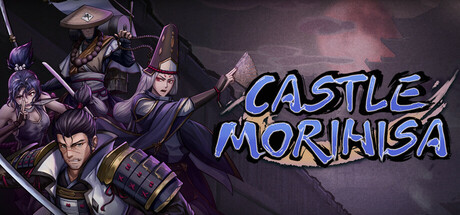
"Castle Morihisa" is a roguelike featuring strategic deckbuilder. You need to build up your deck through constant battles, acquire powerful talents, and wield the power of the Fallen Heroes to unveil the truth behind the rebellion in Castle Morihisa.
Modeled estimate, not a reported figure. How we estimate →
Media

About
Stats
All-time low is the lowest price we've recorded for this game since we started tracking it.
Languages: English, Simplified Chinese, Traditional Chinese, Japanese, French, German, Spanish - Spain, Russian
Engagement
Hours played at review time, across 40 reviews with recorded playtime.
Reviews
Themes across 40 recent reviews and how positive each mention is. A keyword signal, not full sentiment analysis.
positive critical· bar length = how often the theme comes up
Reviews
[h1]战国武士使用的武器竟然是“卡牌”[/h1] [h2]游戏内容玩法[/h2] 这是一款回合制卡牌策略游戏,游戏开局选择职业,有五种职业可以选择,不同职业背景不一样,有一个小细节,选不同职业的时候,音乐也会改变。进入游戏后,在一块大地图中,闯关式的开始战斗,并且游戏地图中需要选择线路,不同线路遇到的关卡事件不一样,考验玩家的决策能力,有的关卡玩家可以选择一个令旗,该令旗会在战斗中提供加成,最多持有3个令旗,并且每个令旗有使用次数,战斗结束后可以选择战利品,比如选一张牌加入自己的牌组;选择一个修行卷轴。游戏中还有商店,在商店里可以购买卡牌、天赋点,也可以花钱刷新商店,每次战斗结束后,会获得天赋点,可以在学习天赋,增强自己的构筑。 [h2]个人游玩体验分享[/h2] 战斗方面:战斗玩法简单,拖动使用卡牌,有技能牌,攻击牌,防守牌,根据不同敌人,选择使用自己手上的牌。 游戏难度:游戏难度适中,有新手教程进行简单的说明,再战斗几次就基本上手了,接下来就是不停战斗,获取战利品后,增强自己的构筑。游戏地图中会精英怪,难度会有点高,但是奖励很不错,慎重挑战。唯一要注意的就是血量续航,游戏里血量在战斗结束后不会自动回满。 游戏复玩性:可玩性很高,不同的职业天赋不同,再加上令旗、修行卷轴、卡牌构筑,可以搭配出很多不同的玩法。 [h2]结语[/h2] 《森久城物语》这款卡牌策略游戏美术风格优秀,游戏玩法有趣,整体是好玩的,但是游戏平衡把握还需要再优化一下,不同职业之间强弱分明。感兴趣的玩家可以尝试一下。 [quote] 晚八不睡,早八不醒,梦里准点测评,迎接美好游戏人生! 欢迎关注:[url=https://store.steampowered.com/curator/46039267/] 睡不醒的早八人 [/url] [/quote]
貌似是做数值平衡做崩了的卡牌, 建议以后可以做不平衡。 全通了0难度, 额,就是开始游戏的那个萌新难度, 一路脸滚键盘就过去了。 低难度下, 依靠玩家本体素质还是可以打一打的。 商店可以随时进出、天赋也是随机刷新,随时加点、 主要问题是遗物和卡牌太少, 没有带来质变,或者超强组合, 简而言之, 试图让数值过于正经导致特别费力, 谁也没心情随便一个游戏 就学习卡牌build几十个小时。 建议啊,所有学习杀戮尖塔三段式卡牌的游戏, 可以考虑引进"以撒的结合"的概念, 做他喵的几百个遗物, 遗物+遗物效果爆炸,输出爆炸, 既然数值做不好平衡被骂, 就做不平衡,单纯效果大乱斗,imba爽到飞, 反正单机也就图一乐,评价应该也不会比这个差。
这个游戏正确的名字叫《森久城无语》,在玩别的肉鸽卡牌游戏的时候,我感觉大多数时间都是在失败后变强、努力解锁新的能力、通关后重复游玩之间循环。而这个游戏呢,我可以输一下午——敌人强到离谱(我乌鸦啄眼睛不让你出防御牌,蜘蛛网你不让出防御,第二大关有个弱智会先碎你盾再造成5点伤害)怎么恶心怎么来,就是不想让你通关。 说实话,我之前把僧侣、武士、阴阳师和忍者都通了,然后就不想玩了,因为几乎没有重复游玩价值(通关后玩家不会变强,不会继续解锁强力道具,只能提高游戏难度继续折磨自己)这些日子又出了新角色,我就下回来玩了一玩,这不从8点输到11点40多。 我横向对比了其他肉鸽卡牌,发现人家都希望玩家能好好把他游戏玩下去,而不是让人受罪,而只有这游戏是这个样,不知道制作方怎么想的。 可能千言万语汇成一句话,就是其他评论里说的,平衡性极其差!(抄不抄先不提了,我觉得是次要矛盾) 各位,如果想玩开心地这个游戏,建议入门阴阳师,找吸血卡,这样就有续航了,比较容易赢(或者玩武士。别玩僧侣,好像是只有死战不休玩法比较舒服,其余都太受罪) 然后通关一遍,你就玩忍者吧,我觉得忍者是最简单无脑的,找锦囊就行了(好像是直接给你抽两张临时道具卡,本身这些卡是需要花钱在商城里买的,一次性物品。然后你有了锦囊就能免费用,卡都巨踏马超模),然后你在天赋里再找那个锦囊卡变0费的天赋,接着无脑打就行了,根本没什么策略。 您还一刀砍对面4滴血呢?我一张道具卡砍他15滴,锦囊卡随便刷,还能回血,还能设置陷阱。 玩别的角色,就是 受罪。 这游戏特别极端,要不就是极端的没法玩,要不就是极端的碾压电脑玩。
全成就達成 這遊戲獲得褒貶不一的評價,我非常能理解。 首先這遊戲沒有局外成長要素,缺乏讓玩家再次遊玩的動機。其次是每一局的天賦系統陣容是隨機的,如果關鍵天賦沒有出現甚至會直接影響通關。我舉一個最簡單的例子,有個天賦《健步如飛》其效果是每回合行動力上限 +1,連這種在一般卡牌遊戲裡必點的基本天賦都是隨機出現的,更不用說一些角色的關鍵天賦。更糟的是如果你運氣不好重玩又再次拿到了爛天賦樹,你根本不會知道那是運氣問題,只會怪這遊戲角色平衡做很差。 再來是這遊戲每個角色的開局體驗都大同小異,必須要靠基礎的攻擊與防禦卡片撐到第一關後半,卡牌構築才開始變得有特色起來。另外如果你是第一次玩這個角色在第一關很難知道角色的重點成型方向,像是第一個角色「僧侶」,卡牌系統分為「真言」和「禪定」,但真言系統就是個垃圾,本身效果觸發慢、能配合的卡效果又一般。如果你前期都投資在真言系統上,那你這局基本上就廢了準備重玩。 最後是很重要的一點,就是遊戲的難度曲線。照理說在第一大關玩家還沒湊到好卡、基礎牌也還沒刪除乾淨的情況下,至少要讓玩家游刃有餘地打非精英怪才對,但這遊戲第一大關的中段開始怪物強度變得非常誇張,逼迫玩家先找強力防禦卡苟活。 不過這遊戲也不是全然沒有優點。比如說隨時能進商店這點我非常欣賞,不會遇到都要打最終 Boss 了錢沒地方花的窘境。再來是開局刷天賦樹如果關鍵天賦大部分有拿到,配牌思路也沒問題的話,其實遊戲體驗還是不錯的。 如果看了以上評論你還是躍躍欲試,那下面這個連結是我自己寫的一點過關心得,供參考。 https://steamcommunity.com/sharedfiles/filedetails/?id=3601908413 [h2][b]總結[/b][/h2] 天賦樹內容太過隨機是這遊戲最大的問題,運氣不好的話甚至想通關最低難度都有障礙。我認為要改善這點可以把天賦樹改成讓玩家自己做搭配,又或者天賦樹維持固定陣容不隨機,我相信遊戲評價也不至於會那麼差。建議好奇的玩家如果想入手打折時再考慮。
剧情是完全没有的,多周目暂时没有看出来有什么意义,纯为了通关埋头苦干,6块还是值的,原价入的大冤种
[h1]4/10[/h1] [b]Castle Morihisa[/b] is a rather beautiful game with a great art style. Unfortunately, the game itself doesn’t feel quite complete. The gameplay comes across as unpolished and battles quickly become repetitive. What’s worse, the English translation is noticeably off in places. For example, the ninja’s introduction, and the confusing agility cards. I can't recommend this.
Good looking, fast, classic mechanics. Good one!
两个字:折磨。 55小时,全角色通关,33个成就中就差一个“噩运”。 购买之前就看了很多测评,虽然有一定心里预期知道数值做的不好,但依然发现挺难的,当玩家还在3点护甲3点护甲增加的时候,对方已经可以一击27血了(一共60血)。当初购买完全是因为画风真的很喜欢,因此直接原价购买。 其实难度还好,毕竟每个角色都有对应的通关方式。但是这个游戏很多地方竟然是伪随机!伪随机这个事儿就让全成就变成完全看脸,因为“三劫棋谱”和“噩运”完全看运气。我明明40小时就全角色通关了,但是为了“噩运”这个成就,愣是打到了55小时,纯纯玩吐了,这根本就不是游戏,就是折磨。 (63小时,追加一个留言,由于实在想获得全成就,又玩了8个小时。终于达成噩运这个成就。根据豆包AI回答,抽签这个事件的概率在问号事件中只有5%,而噩运需要第一签是凶,概率19%,也就是说达成这个成就的概率大概是问号事件1%) 简单写写角色攻略: 僧侣:就用不死不休这个天赋带来的无限抽牌; 武士:流派比价多,个人最推荐“积攒行动力+乱杀卡牌”,简单并且通关效率高;其次“叠甲+千钧卡牌”,最后樱花流 忍者:一定要有不死不休和快手这两个天赋,相对来说还挺好用 阴阳师:就去拿吸血牌,以及一个貌似叫做三味真火的牌 巫女:这个我最不拿手,主要就是利用快速释放月轮的牌变成黑月,然后打出有附加伤害的牌。这个我没怎么研究,就通关了一次。 总而言之不太推荐,真的高血压容易上火,烦。
This game tries to run at 6700+ fps and there is no framerate limitation in game so it is very hot. I used NVIDIA control center to limit it. This is just chinese knockoff slay the spire which I would be totally into if it was good but the card variety and balance isn't good which is a shame because there's some other ideas that are unique like the skill tree. There's six characters too which is nice, but it's not polished enough to be worth playing.
Castle Morihisa, developed by Smokingbear Studio and published by Thermite Games, enters the roguelike deckbuilder space with a striking visual theme rooted in dark Japanese folklore and feudal-era mysticism. From the moment a mysterious rebellion is rumored to have erupted at Castle Morihisa, the player is cast as an undercover agent sent to uncover the truth behind the disappearance of envoys and the feared uprisings looming across the land. The premise immediately sets a somber, suspenseful tone, where every battle feels like a step deeper into haunted territory. The game uses this atmosphere well: eerie landscapes, yokai-inspired enemies, and a grim narrative backdrop create an identity distinct from Western-leaning deckbuilders, helping the world feel dangerous and culturally rich. The core loop follows familiar roguelike deckbuilding conventions, but what gives Castle Morihisa nuance is the presence of four unique classes—Monk, Onmyoji, Samurai, and Ninja—each offering its own mechanical twist. The Monk thrives on cyclical states of meditation and aggression, shifting between defensive and offensive stances. The Onmyoji draws on occult summons and blood magic, managing sacrificial mechanics and high-risk, high-reward spell interactions. The Samurai and Ninja classes, unlockable through gameplay, lean into powerful sword techniques and evasive maneuvers respectively, making them ideal for players who want more directional roles. These classes help keep runs varied, and their differences encourage experimentation with deck composition, strategy, and pacing. Even if some overlap exists between cards across classes, each still presents a distinct rhythm and personality. Deckbuilding itself is robust, with hundreds of cards that allow players to cultivate synergy-driven builds or improvise strategies on the fly depending on the random rewards offered. Talent trees add another layer of customization, granting statistical bonuses or passive benefits that enhance chosen playstyles. The Fallen Hero system—offering one-time or limited-use powers from legendary warriors—adds strategic bursts of strength when runs turn dire. Combined with artifacts and relic-style modifiers, these systems work together to give each attempt a different flavor, and they shine most when the game’s randomness aligns with your intended direction. Castle Morihisa’s art direction is one of its greatest strengths. The dark Japanese aesthetic permeates every detail: enemy designs inspired by yokai and corrupted spirits, card artwork completed in calligraphy-like strokes, and areas that evoke dread-filled landscapes of mist, ruin, and decay. The presentation is atmospheric, immersive, and unmistakably stylized. This mood is reinforced by the game’s sound design, which uses sparse but effective cues to elevate tension. While it may not boast cinematic production values, its visual identity stands out among competitors and helps anchor the experience even when gameplay hits repetitive stretches. Mechanically, the combat is straightforward and readable, offering enough tactical weight to reward planning without overwhelming newcomers. Enemy intent is clearly displayed, making each turn a small puzzle about mitigation, counterattacks, or seizing momentum. However, balance issues arise as runs progress. Some card pools are noticeably stronger than others, and the power curve can feel inconsistent, with certain builds stagnating unless specific relics appear. This variance introduces replay unpredictability—a staple of the genre—but also contributes to frustration when strategy gives way to sheer luck. Some battles, especially against elites or late-game bosses, can feel unfairly punishing if your deck lacks the precise tools needed to survive. The game’s deeper issue lies in long-term progression. Once all classes are unlocked, there is little meta-growth or additional challenge modes to sustain motivation. Many roguelikes rely on evolving difficulty modifiers, unlockable artifacts, alternate routes, or expanded narrative beats to keep players invested. Castle Morihisa lacks these systems, resulting in a shorter lifespan for players who value structured replay incentives. Runs begin to feel similar after several attempts, and while the classes offer replayability, the absence of further goals or varied pathing limits the game’s longevity. Still, Castle Morihisa succeeds in delivering an engaging short-to-mid-form roguelike experience. Its atmospheric commitment, thematic cohesion, and elegant Japanese horror aesthetic make it memorable. Its onboarding mechanics are clear, its card interactions are satisfying when synergies click, and each successful run feels like a measured climb through treacherous spiritual terrain. Players who enjoy punishing roguelikes, appreciate a distinct stylistic direction, or seek a compact, focused deckbuilder will find worthwhile hours here. Those who want deeper meta systems, refined card balance, or more content variety may find it less fulfilling over time. Ultimately, Castle Morihisa stands as a strong thematic entry in the deckbuilding genre: haunting, challenging, and stylish, even if held back by balance inconsistencies and replay limitations. It offers enough flavor and mechanical interest to captivate fans of dark fantasy and roguelike card games, carving a unique niche through its dedication to folklore-inspired atmosphere and its commitment to challenging, run-based gameplay. Rating: 6/10
Related
Related
Trends
Modeled estimate over time, reconstructed from Steam's monthly review histogram.
Momentum
Pace estimated from the game's recent review growth (our daily snapshots) at its own sales-per-review ratio — a momentum signal, not booked sales.
Audience
Estimated from the language of this game's reviews — a proxy for where players are, not official Steam demographics.
Related
| Gift of Parthax | $13.8K | 88 | 39% | $6.99 |
| Mask Quest | $13.8K | 60 | 95% | $9.99 |
| Astro Pig | $13.8K | 80 | 100% | $9.99 |
| Hidden Fears (Moonlight Edition) | $13.8K | 64 | 30% | $8.99 |
| Bravium | $13.8K | 77 | 68% | $7.99 |
| Dust and Salt | $13.8K | 77 | 84% | $7.99 |