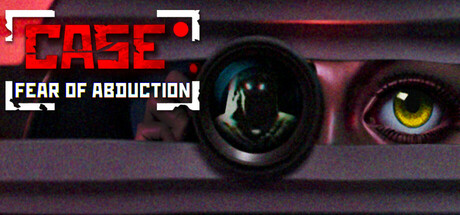
CASE RECORDS: Fear of Abduction is a slow-burning psychological horror adventure that leans heavily on atmosphere, vulnerability, and investigative tension rather than overt action or constant shock tactics. Developed and published by Walnut LLC, the game expands the broader CASE universe into a more intimate and grounded experience, shifting focus away from overt survival horror mechanics and toward unease rooted in realism. From the very beginning, the game establishes a disturbing premise centered on missing persons, fear of the unknown, and the unsettling idea that danger often hides in ordinary places.
The player takes on the role of a teenage volunteer working at a local police station in the quiet town of Crowvale, a setting that initially feels mundane and almost comforting. This sense of normalcy is carefully dismantled as reports of disappearances mount and the boundaries between safety and threat begin to blur. The protagonist is not a trained officer or hardened investigator, and that lack of authority and power is central to the game’s identity. Every task, from filing reports to venturing outside the station, is imbued with tension because the player is constantly reminded that they are outmatched, exposed, and operating in a world that does not bend to their control.
Gameplay unfolds primarily through first-person exploration, investigation, and narrative interaction. Rather than relying on combat, the experience emphasizes careful observation, environmental storytelling, and dialogue choices. Players search locations for clues, examine objects, read documents, and piece together fragmented information that gradually paints a picture of what is happening in Crowvale. Conversations with other characters often present dialogue options that subtly influence relationships and shape how the story progresses. These choices do not immediately announce their consequences, reinforcing the feeling that even small decisions can ripple outward in unexpected ways.
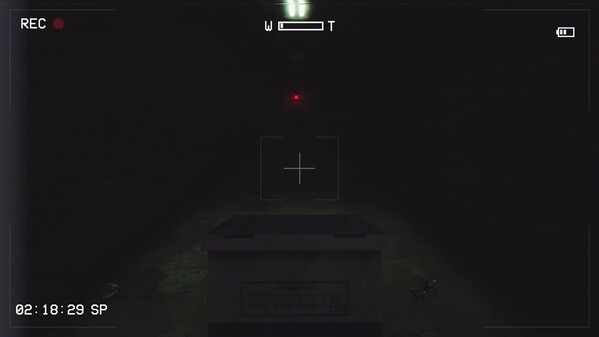
The pacing of CASE RECORDS: Fear of Abduction is deliberately restrained, favoring suspense over spectacle. Long stretches of quiet exploration are punctuated by moments of psychological discomfort rather than traditional jump scares. The game excels at making players feel watched, even when nothing overtly threatening is happening. Dimly lit corridors, empty streets at night, and abandoned buildings all contribute to a persistent sense of unease. Sound design plays a critical role here, with distant noises, subtle environmental sounds, and silence itself becoming tools to heighten anxiety and anticipation.
Visually, the game opts for grounded realism over stylized horror. Environments are detailed enough to feel believable, reinforcing the idea that these events could be happening just beyond the edge of normal life. The police station, residential areas, and derelict locations are all designed to feel lived-in, which makes their emptiness and decay more disturbing. Lighting is used effectively to obscure details and guide attention, often forcing players to question what they can and cannot see. While the graphical fidelity is modest compared to large-budget horror titles, the cohesive art direction ensures the atmosphere remains consistently oppressive.
Narrative structure is one of the game’s strongest elements. The story unfolds nonlinearly through discovered evidence, optional exploration, and player choices. Missing key details can lead to incomplete understanding, while thorough investigation rewards players with deeper insight into the mystery and the people involved. Multiple endings reflect how carefully the player engaged with the investigation, encouraging replay for those interested in uncovering every facet of the story. Rather than spelling out answers, the game trusts players to interpret events, allowing ambiguity to linger in ways that suit its psychological tone.
Emotionally, CASE RECORDS: Fear of Abduction is less about fear of monsters and more about fear of disappearance, isolation, and helplessness. The horror is rooted in human vulnerability and the anxiety of not knowing who to trust or where danger may emerge. This makes the experience feel more personal and unsettling than games that rely on exaggerated threats. Moments of quiet reflection are just as impactful as moments of tension, reinforcing the idea that the true horror lies in uncertainty rather than confrontation.
Overall, CASE RECORDS: Fear of Abduction delivers a thoughtful and immersive psychological horror experience that prioritizes atmosphere, narrative depth, and player agency. Its restrained pacing, emphasis on investigation, and grounded sense of dread make it stand out within the genre, particularly for players who prefer slow-burn tension over constant action. While it may feel deliberately subdued for those expecting traditional survival horror mechanics, it succeeds in crafting a haunting and memorable journey through a town where fear is subtle, persistent, and deeply human.
Rating: 6/10