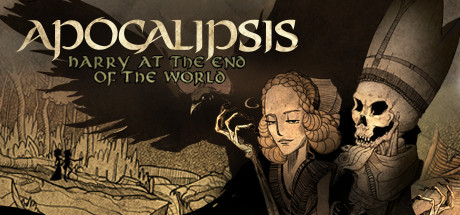
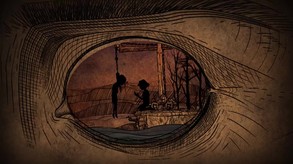
Apocalipsis is a point-and-click adventure game, in the vain of Samorost and Machinarium, where all puzzles have a hidden meaning. With a unique artstyle inspired by 15th century engravings it tells a story about heartbreak, redemption and, quite literally, the end of the world.
Modeled estimate, not a reported figure. How we estimate →
Media
About
Stats
All-time low is the lowest price we've recorded for this game since we started tracking it.
Languages: English*, French, Italian, German, Spanish - Spain, Russian, Polish*, Simplified Chinese, Portuguese - Brazil*languages with full audio support
Engagement
Hours played at review time, across 41 reviews with recorded playtime.
Reviews
Themes across 41 recent reviews and how positive each mention is. A keyword signal, not full sentiment analysis.
positive critical· bar length = how often the theme comes up
Reviews
в общем и целом уныленько, загадки, повествование, тех.исполнение - всё так себе
Simple, easy going linear puzzle game. I dont get the hate it gets, yeah it´s short and somehow simple but it isn´t trying to convince you otherwise before buying it.. For me it was nice chill out game with good looking art style that is unique. Only things I have to disagree with are maybe price, its more like 2-3e game and the locked behing paygate DLC achievments. Other than that it´s decent game to kill 2-3 hours, 5/10
arte linda e historia otima parabens aos envolvidos
Apocalipsis is a narrative-focused point-and-click adventure that distinguishes itself through a striking artistic identity and a deeply symbolic approach to storytelling. Developed by Punch Punk Games and published by Wildlands Interactive and Ultimate Publishing, the game presents a dark, contemplative journey rooted in grief, loss, and spiritual reckoning. Rather than relying on traditional fantasy tropes or modern cinematic presentation, Apocalipsis draws its strength from mood, allegory, and visual storytelling, creating an experience that feels more like an interactive medieval manuscript than a conventional adventure game. The most immediately arresting aspect of Apocalipsis is its visual style, which is inspired by late medieval and early Renaissance woodcut engravings. Every scene appears etched rather than painted, filled with stark contrasts, grotesque figures, and symbolic imagery that evokes religious texts, apocalyptic visions, and moral allegories. This artistic choice does more than set the tone; it shapes how players interpret the world. Environments are dense with meaning, and even background elements often hint at the protagonist’s internal struggles. The world feels hostile, solemn, and sacred all at once, reinforcing the idea that the journey is as much inward as it is physical. The narrative follows Harry, a man shattered by the loss of his beloved, who ventures into a nightmarish realm driven by sorrow and desperation. His journey unfolds like a symbolic descent, where each location represents a stage of grief, guilt, or spiritual trial. Rather than extensive dialogue or exposition, the story is conveyed through narration, imagery, and the structure of the puzzles themselves. This restrained approach invites interpretation, allowing players to project their own understanding onto the events unfolding on screen. The story’s themes of love, death, faith, and redemption resonate strongly, even when the plot remains deliberately abstract. Gameplay adheres closely to classic point-and-click traditions, emphasizing exploration, item interaction, and puzzle solving. Puzzles are generally designed to be logical and accessible, favoring observation and thematic consistency over obscure combinations. Many challenges feel like extensions of the narrative rather than arbitrary obstacles, reinforcing immersion instead of interrupting it. While experienced adventure game players may find the difficulty relatively gentle, the puzzles serve their purpose well, maintaining momentum and encouraging thoughtful engagement with the environment rather than frustration. Sound design plays a crucial role in reinforcing the game’s oppressive and reverent atmosphere. The narration, delivered in a deep and somber tone, lends a ritualistic quality to the experience, as if the story is being recited from an ancient text. Music and ambient sound are used sparingly but effectively, enhancing moments of tension, sorrow, and revelation without overwhelming the visuals. Together, the audio and visual elements create a cohesive sensory experience that feels intentionally restrained and emotionally heavy. Apocalipsis is not a lengthy game, and its relatively short runtime contributes to its dreamlike, concentrated impact. The journey unfolds at a deliberate pace, never lingering too long on any single idea, which helps maintain narrative focus. Multiple endings provide a degree of replayability and invite reflection on the choices made throughout the adventure, though the experience is clearly designed to be savored rather than optimized. Its brevity may leave some players wanting more, but it also ensures that the game’s emotional arc remains tight and purposeful. As an indie title, Apocalipsis does show occasional rough edges, particularly in the clarity of certain interactions or the occasional stiffness of animation. However, these issues rarely undermine the overall experience, as the game’s strengths lie firmly in its artistic vision and thematic ambition rather than technical complexity. The developers’ commitment to a cohesive aesthetic and narrative tone is evident throughout, giving the game a strong sense of identity despite its modest scale. Ultimately, Apocalipsis stands out as a haunting and unconventional adventure that prioritizes atmosphere, symbolism, and emotional resonance over complexity or spectacle. It is best approached not as a traditional puzzle game, but as an interactive piece of dark art that invites contemplation and interpretation. For players drawn to narrative-driven experiences, historical aesthetics, and introspective storytelling, Apocalipsis offers a memorable journey that lingers long after its final scene, proving that restraint and vision can be just as powerful as grand scope in interactive storytelling. Rating: 7/10
Meh :/
Душнинький поинт энд клик. загадки в конце просто скучные - пятнашки. водопроводчик . сыграй правильные ноты на пианино. блин в начале игра имела больше шарма если честно
画风蛮特别的一款游戏
İndirimle 0.76€'ya gelen fiyatını da değerlendirerek "öneriyorum" diyeceğim. Yapacak hiçbir şeyiniz yoksa ve enteresan bir takım sahneler görmek istiyorsanız, "la burada noliyy?" demek istiyorsanız buyrunuz. Hikaye olarak süpersonik derecede beğendiğimi ya da sarsıldığımı söyleyemem, ama kötü de diyemem. Farklı bir şeyler denemişler. Lakin, mekanikler ve bulmacalar... O kadar kolay bulmacalar ki bir noktadan sonra oyunu oynamayı bıraktım (çünkü oyun gibi hissettirmemeye başladı) ve videodan izledim oyunu.
bellissimo ma veramente breve.
Bardzo dobra polska przygodówka point&click w stylu grozy , niestety krótka ale polecam :)
Related
Related
Trends
Concurrent players on Steam, sampled daily since tracking started.
Audience
Estimated from the language of this game's reviews — a proxy for where players are, not official Steam demographics.
Related
| Human Fall Flat | $109.3M | 225.6K | 95% | $19.99 |
| Euro Truck Simulator 2 | $421.6M | 932.3K | 97% | $19.99 |
| Slime Rancher | $73.8M | 155.4K | 98% | $19.99 |
| DAVE THE DIVER | $67.1M | 158.8K | 97% | $19.99 |
| House Flipper | $65.8M | 110.8K | 94% | $24.99 |
Related
| Catzilla 4K - Advanced | $57.5K | 182 | 37% | $14.99 |
| 拜托!请你先告白 | $57.5K | 128 | 80% | $12.99 |
| Umihara Kawase | $57.4K | 242 | 93% | $9.99 |
| Atre: Dominance Wars | $57.4K | 72 | 86% | $24.99 |
| Dark Moon | $57.5K | 161 | 47% | $9.99 |
| Dark Legion VR | $57.5K | 128 | 70% | $19.99 |