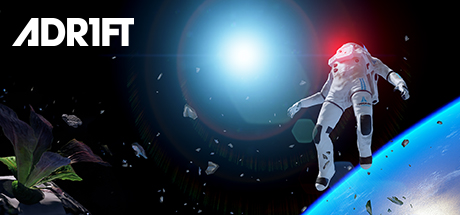
ADR1FT is the story of an astronaut who wakes up floating silently in space amongst the debris of destroyed space station…the only survivor of a catastrophic event, left with no memory, a critically damaged EVA suit leaking oxygen and no way home.
Modeled estimate, not a reported figure. How we estimate →
About
Genres
Stats
All-time low is the lowest price we've recorded for this game since we started tracking it.
Languages: English*, French, Italian, German, Spanish - Spain, Portuguese - Brazil, Russian*languages with full audio support
Engagement
Hours played at review time, across 40 reviews with recorded playtime.
Reviews
Themes across 40 recent reviews and how positive each mention is. A keyword signal, not full sentiment analysis.
positive critical· bar length = how often the theme comes up
Reviews
Just not a good game. Terrible controls.
Beautiful. Cinematic. Would absolutely try in VR
Do not buy for your Valve Index. Bad experience.
No tiene uso de motion controls, la expriencia se siente muy dura ya que te moves con los joysticks. No es recomendable comprarlo de momento, hasta que los desarolladores le metan motion controls. lo unico bueno que tiene es el trabajo en los modelos 3D y las texturas.
Yes.
ADR1FT is a slow-burning first-person survival experience that transforms the emptiness of space into both a breathtaking spectacle and a source of constant anxiety. Set aboard the remains of a destroyed orbital station drifting above Earth, the game places players in the role of astronaut Alex Oshima, the lone survivor of a catastrophic accident who awakens with fragmented memories and rapidly depleting oxygen reserves. Rather than focusing on combat or action-heavy gameplay, ADR1FT builds its identity around atmosphere, isolation, and emotional immersion, creating a haunting sci-fi adventure that feels far more personal and reflective than most space-themed games. From the very beginning, the game establishes an overwhelming sense of vulnerability. Floating helplessly through the wreckage of a shattered station while staring down at Earth from orbit creates a level of tension and loneliness few games manage to replicate. The environment constantly feels dangerous even during quiet moments. Broken corridors drift apart in zero gravity, debris floats unpredictably through open space, and every trip away from safety becomes stressful because oxygen supplies are always limited. The game successfully turns simple movement and survival into emotionally tense experiences. The atmosphere is easily ADR1FT’s greatest strength. The ruined station feels hauntingly believable, filled with shattered structures, flickering emergency lights, drifting equipment, and silent destruction frozen in orbit. Earth remains visible throughout much of the adventure, serving as a beautiful reminder of how isolated and helpless the player truly is. That contrast between beauty and terror gives the game much of its emotional power. The vast emptiness surrounding the station constantly reinforces the feeling that one small mistake could result in death. Visually, the game remains impressive largely because of its environmental detail and lighting design. Floating through damaged station modules while sunlight reflects across broken metal and drifting debris creates some genuinely stunning moments. The station itself feels alive despite being destroyed, with alarms, malfunctioning systems, and scattered remains hinting at the disaster that occurred before the player awakened. The presentation captures the fragility of human technology in space remarkably well. Zero-gravity movement becomes one of the game’s defining mechanics. Players navigate the environment using EVA propulsion systems, drifting freely through open space and damaged corridors while carefully controlling momentum and direction. The movement system creates a convincing feeling of weightlessness, but it also introduces disorientation and tension. Traversing debris fields or maneuvering through narrow wreckage requires patience and careful positioning, especially when oxygen reserves are running dangerously low. The oxygen system itself adds a constant layer of survival pressure. Oxygen gradually depletes while exploring, forcing players to search station debris for replacement canisters scattered throughout the environment. As supplies run low, breathing becomes heavier and visual distortions begin affecting the screen, creating genuine panic during longer sections away from safety. The mechanic is simple but highly effective because it constantly reminds players that survival is temporary and fragile. Narrative progression unfolds slowly through audio recordings, environmental storytelling, and fragments of recovered memories. Players gradually uncover what happened aboard the station while learning more about the crew members and the personal struggles surrounding the disaster. The story explores themes of guilt, isolation, responsibility, and survival in subtle ways rather than relying on dramatic cinematic moments. Much of the emotional impact comes from piecing together fragmented conversations and discovering traces of the lives lost during the catastrophe. One of the most admirable aspects of ADR1FT is its commitment to nonviolent gameplay. There are no enemies to fight, no weapons to collect, and no action-oriented combat sequences interrupting the atmosphere. The primary threats come from environmental hazards, damaged systems, limited oxygen, and the unforgiving nature of space itself. This design philosophy helps the game stand apart from more traditional sci-fi adventures and gives it a much more reflective and immersive tone. The sound design contributes enormously to the overall experience. Silence is often used more effectively than music, allowing breathing sounds, distant alarms, and mechanical creaking to dominate the atmosphere. Ambient music appears sparingly but at exactly the right moments to emphasize emotional isolation and tension. Audio logs and radio conversations become especially impactful because of how empty and quiet the surrounding environment often feels. The pacing is intentionally slow and methodical, which will likely divide players. Much of the game involves exploration, repairing damaged systems, locating resources, and carefully navigating through station wreckage. Players expecting fast-paced action or constant excitement may find the experience repetitive or lacking urgency. ADR1FT prioritizes immersion and atmosphere over mechanical variety, and enjoyment depends heavily on whether players connect with that slower structure. The gameplay itself can occasionally become repetitive. Many objectives revolve around retrieving components, restoring systems, or moving between oxygen checkpoints. While the environments remain visually impressive, the tasks themselves do not evolve significantly throughout the adventure. Over time, the limited gameplay variety becomes more noticeable. Zero-gravity movement, while immersive, can also feel awkward during certain sections. Maneuvering through tight spaces or dealing with drifting momentum occasionally becomes frustrating instead of atmospheric. Some players may struggle with orientation and navigation, especially during more chaotic debris-filled sequences. The story, although emotionally grounded, sometimes lacks the depth needed to fully match the strength of the atmosphere. Certain character arcs feel underdeveloped outside of audio recordings, and portions of the narrative unfold predictably. However, the emotional weight of the environment itself often compensates for those narrative shortcomings. Despite these flaws, ADR1FT succeeds remarkably well as an atmospheric and emotionally immersive survival experience. Its depiction of isolation, vulnerability, and human fragility in space creates a haunting journey unlike most science-fiction games. The game understands that fear does not always require monsters or combat. Sometimes silence, loneliness, and the endless emptiness of space are enough. For players who enjoy atmospheric exploration games, emotional sci-fi storytelling, and survival experiences focused on immersion rather than action, ADR1FT offers a memorable and visually stunning adventure through one of gaming’s most convincing portrayals of space isolation. While its repetitive objectives and slow pacing may not appeal to everyone, its emotional atmosphere and immersive design make it a unique and rewarding experience. Rating: 7/10
My favorite genre of fiction is "Things Go Wrong in Space". This is a Things Go Wrong in Space game.
i hate this game, i did put effort to like it but is impossible to fully understand what to do. I might be too dummy yo play with.
Came into Adrift not really knowing what to expect and ended up enjoying it for what it is. It’s more about the atmosphere than anything—just floating through space, managing oxygen, and taking in how quiet and isolated everything feels. Visually it still looks really good on PC, especially with settings turned up. Gameplay is pretty simple and can get a bit repetitive, so it’s not for someone looking for action. But if you’re cool with a slower, more chill experience, it does a good job pulling you in. Short game overall, but definitely a unique one that stuck with me a bit.
Foi do espaço, pra mim é perfeito. já joguei esse jogo no ps4 e agora jogando pelo pc, e em algum futuro quero jogar no VR.
Related
Related
Trends
Modeled estimate over time, reconstructed from Steam's monthly review histogram.
Momentum
Pace estimated from the game's recent review growth (our daily snapshots) at its own sales-per-review ratio — a momentum signal, not booked sales.
Audience
Estimated from the language of this game's reviews — a proxy for where players are, not official Steam demographics.
Related
| Dungeon Souls | $431K | 1.3K | 77% | $12.99 |
| Rise of Insanity | $430.5K | 1.3K | 79% | $9.99 |
| Redemption Reapers | $431.1K | 591 | 75% | $24.99 |
| Camp Buddy: Scoutmaster Season | $430.3K | 368 | 94% | $39.99 |
| Warside | $431.3K | 621 | 70% | $24.99 |
| Tower Wars | $431.6K | 1.8K | 72% | $7.99 |
Related
| The Solus Project | $1.9M | 2.5K | 79% | $19.99 |
| No Man's Sky | $230.9M | 412.1K | 85% | $23.99 |
| Deliver Us The Moon | $6.9M | 9.5K | 88% | $24.99 |
| Tacoma | $974.8K | 3.1K | 88% | $19.99 |
| Alien: Isolation | $54.1M | 66.1K | 93% | $39.99 |
| Among the Sleep - Enhanced Edition | $5M | 8.3K | 89% | $16.99 |