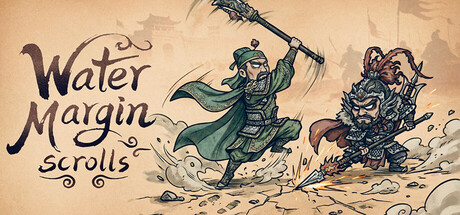
Water Margin Scrolls, developed by QingHe Games and published by The Bueno Interactive, is an ambitious blend of strategy RPG, auto-battler, and deckbuilding mechanics set against the backdrop of the classic Chinese tale *Water Margin*. It draws heavily from the source material’s cast of outlaw heroes, reimagining them as collectible units in a system-driven experience where preparation and synergy matter far more than direct control. The game’s identity is rooted in this fusion of ideas, aiming to create a layered tactical experience that rewards planning and experimentation.
At its foundation, the game revolves around assembling a team of characters and guiding them through a sequence of battles that play out automatically. Instead of controlling actions in real time, players focus on decisions made before combat begins—choosing which heroes to deploy, arranging their positions, and building combinations that maximize their strengths. This approach shifts the emphasis away from reflexes and toward strategic thinking, making each encounter feel like the result of prior planning rather than moment-to-moment execution. When a setup works, the payoff can be satisfying, as victories reflect the effectiveness of your decisions rather than mechanical skill.
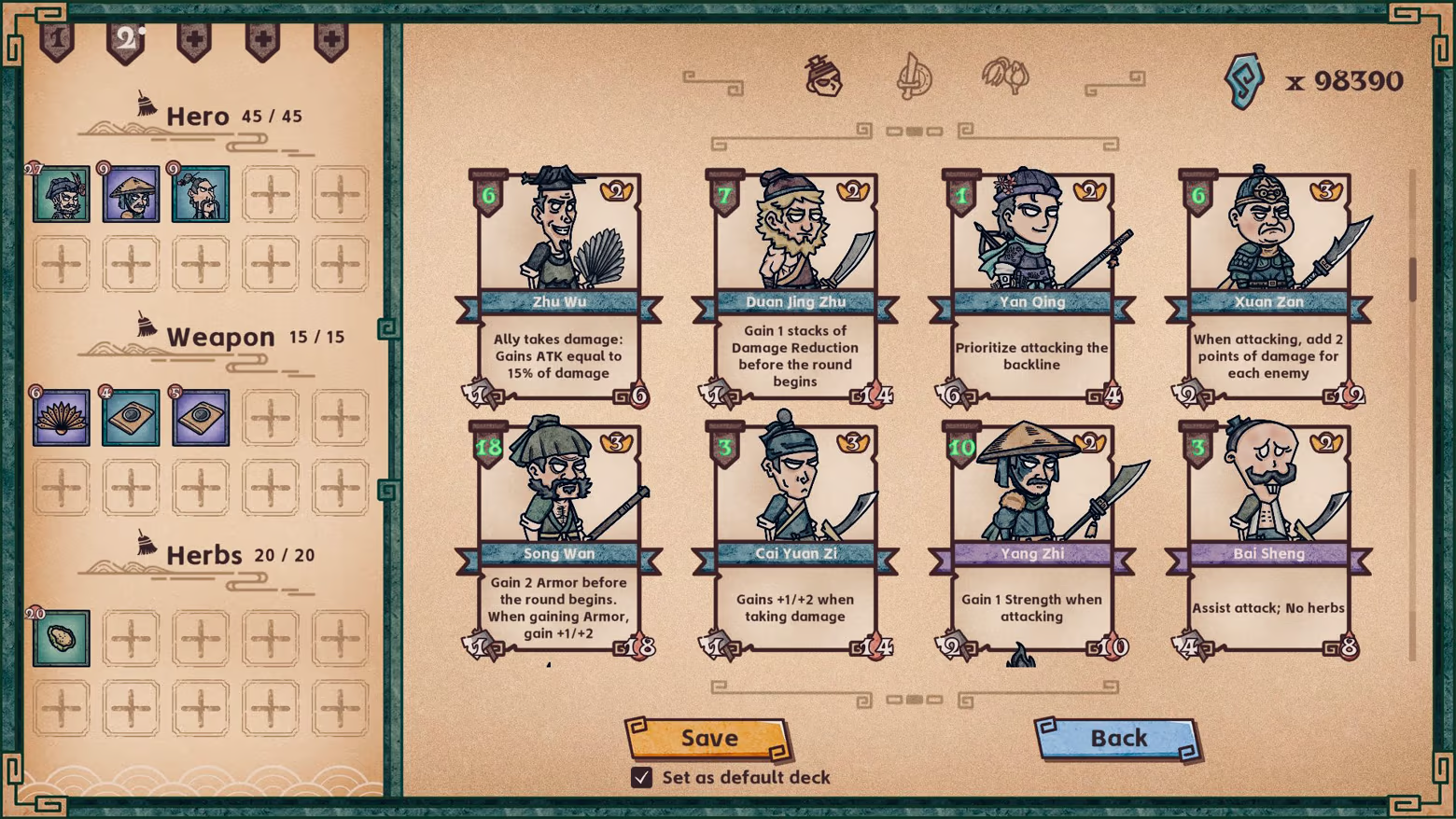
The deckbuilding element adds another layer to this structure, allowing players to gradually expand and refine their roster. Characters, equipment, and consumables are collected and combined in ways that influence how battles unfold, encouraging players to experiment with different configurations. Synergy becomes a central concept, as certain combinations of units and items can dramatically increase effectiveness. This system gives the game a sense of depth, particularly for players who enjoy optimizing builds and discovering new strategies. However, the number of moving parts can also make it feel overwhelming, especially early on, when it is not always clear how different elements interact.
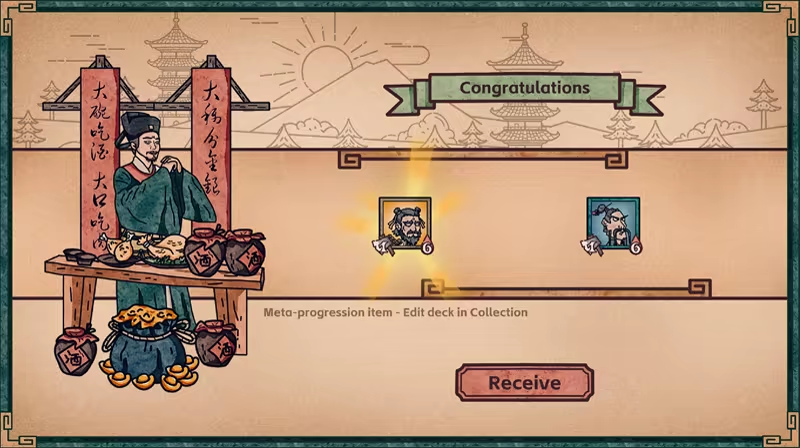
Progression is tied to both story advancement and resource accumulation. As players move through the game, they unlock new characters and upgrades, gradually expanding their options and improving their overall strength. There is also a competitive element through asynchronous encounters, which allows players to test their builds against others. While this adds variety, the overall structure remains heavily focused on repetition, with progress often requiring multiple attempts to gather resources or refine strategies. This can create a sense of momentum when things are going well, but it can also lead to frustration when progress slows.
Visually, the game adopts a stylized presentation inspired by traditional art, giving it a distinct look that sets it apart from more generic strategy titles. Characters and environments reflect the historical and literary influences of the source material, creating a cohesive aesthetic that supports the game’s theme. While the visuals are not particularly advanced, they are effective in establishing identity and atmosphere, making the world feel consistent even if it lacks technical polish.
Despite its strong conceptual foundation, the game struggles with balance and clarity. Difficulty can spike unexpectedly, often requiring players to revisit earlier stages or significantly adjust their builds before progressing. Because combat is automated, these challenges can feel less like tests of skill and more like barriers that require optimization to overcome. Additionally, the game does not always explain its systems clearly, leaving players to figure out mechanics through experimentation. This can make the experience feel uneven, particularly for those who are not already familiar with similar genres.
The reliance on automated combat is another double-edged sword. While it reinforces the strategic focus, it also reduces the sense of direct involvement during battles. Once a fight begins, players are essentially observers, watching the outcome of their decisions play out without the ability to intervene. For some, this creates a satisfying sense of anticipation; for others, it can make the gameplay feel passive, especially during longer sessions.
Ultimately, Water Margin Scrolls is a game driven by ideas more than execution. Its combination of auto-battler mechanics, deckbuilding systems, and historical inspiration creates a unique framework that has clear potential. When its systems align, it offers a rewarding experience built on experimentation and strategic planning. However, its uneven balance, lack of clarity, and reliance on repetition prevent it from fully realizing that potential. It is best suited for players who enjoy dissecting systems and optimizing builds, even if it means navigating some rough edges along the way.
Rating: 6/10