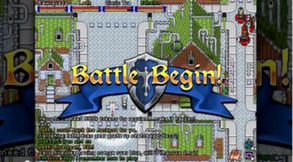
Wanderlust: Rebirth is a cooperative action RPG developed by Yeti Trunk that pays homage to the 16-bit era of gaming while attempting to modernize the formula with online multiplayer and class-based combat. At its heart, it is an ode to the spirit of classic top-down adventures from the early console days—simple in premise, earnest in presentation, and focused on the sense of camaraderie that comes from tackling enemies side by side. The story follows a group of adventurers—Fighter, Cleric, Elementalist, and Alchemist—who are brought together by chance and thrown into a world teetering on the edge of chaos. What begins as a tournament quickly escalates into a journey to save humanity from an ancient evil. While the premise is familiar, its simplicity is part of the game’s identity, echoing the straightforward storytelling of early RPGs. It’s less about elaborate plot twists and more about the adventure itself, the sense of progression from one trial to the next, and the teamwork required to survive.
The gameplay builds on the traditional hack-and-slash foundation, using a real-time combat system that requires timing, positioning, and teamwork. Each of the four character classes plays differently enough to encourage experimentation and cooperation. The Fighter excels in melee attacks and acts as a frontline bruiser, the Cleric offers healing and defensive buffs, the Elementalist manipulates elemental forces for area control, and the Alchemist mixes potions to create both offensive and supportive effects. When played cooperatively, these roles interact in interesting ways, allowing players to strategize based on enemy types and battlefield layouts. The inclusion of both local and online multiplayer adds a layer of longevity to the experience, though setting up online sessions can be cumbersome due to its dated connectivity system. Playing solo is a less balanced experience—AI-controlled companions can struggle with positioning and reaction times, making some encounters frustratingly difficult or awkwardly paced. Wanderlust is clearly designed with cooperation in mind, and when played as a group, its rhythm and flow feel much more natural and rewarding.
Combat is both the game’s strength and its weakness. The basic mechanics are satisfying, with responsive attack animations and distinct visual feedback for hits, but repetition sets in quickly due to limited enemy variety and predictable patterns. Enemies tend to swarm in large groups, relying more on numbers than strategy, which turns many battles into endurance tests rather than tactical showdowns. The control layout, which uses a split scheme between movement keys and attack directions, can take some getting used to and may feel clunky at first. Spells and abilities have cooldowns and require stamina or mana management, adding a light strategic layer to the otherwise straightforward action. Boss battles break up the monotony with unique attack patterns and multi-stage encounters, but their difficulty can spike unexpectedly, especially for players going solo. Some of these bosses highlight the best parts of Wanderlust’s design—clear telegraphs, teamwork requirements, and an old-school sense of triumph when finally defeated—while others expose its flaws in balance and pacing.
Visually, Wanderlust: Rebirth captures the nostalgic look of 16-bit RPGs with modern flourishes. The pixel art style is detailed without being cluttered, offering colorful environments and distinct character sprites that call back to the SNES era. Each chapter presents a new environment—from ancient ruins and mystical forests to shadowy arenas—and while some areas feel underdeveloped, others show genuine artistry and atmosphere. Lighting effects and particle animations add subtle modern touches, giving spells and attacks a satisfying glow. The soundtrack complements the visuals with synth-driven melodies that evoke nostalgia but occasionally lack memorable hooks. The audio design serves its purpose but rarely stands out; sound effects are functional but subdued. This understated presentation reinforces the game’s old-school charm—it feels like something pulled straight from a bygone age, polished just enough for modern sensibilities without losing its retro soul.
The structure of Wanderlust is divided into distinct chapters, each acting as a self-contained level with its own challenges and boss fights. This segmentation gives the game a clear rhythm and prevents aimless wandering, though it also restricts exploration. Players progress through linear paths filled with enemy encounters, loot drops, and dialogue scenes that push the narrative forward. Between chapters, there are shops and crafting opportunities, where materials found during battle can be used to enhance weapons, armor, or potions. While crafting adds a layer of progression, it can feel cumbersome due to the limited inventory space and icon-heavy interface. The developers intended for resource management to be part of the challenge, but it sometimes comes across as restrictive rather than strategic. Still, the reward loop—earn loot, craft better gear, face stronger enemies—provides a satisfying sense of growth that keeps the player engaged across its ten chapters.
Wanderlust’s greatest achievement is its ability to evoke the feeling of classic RPG camaraderie. Playing with friends transforms the experience, allowing players to combine abilities, revive one another in battle, and share in the chaos of overwhelming fights. Communication becomes key when facing tougher enemies or coordinating healing and buffs. The cooperative design shines most during these moments, where each class feels essential to survival. The solo experience, by contrast, lacks this dynamism and can feel hollow due to the absence of real teamwork. Despite this, even in single-player, there’s an undeniable charm in its world and the simplicity of its structure. It never overwhelms the player with complexity or mechanics—it’s straightforward, sincere, and content with being what it is: a nostalgic callback to the days when adventure and companionship were enough to carry a game.
While Wanderlust: Rebirth may not reinvent the action RPG genre, it embodies a rare sense of sincerity and devotion to its influences. Its flaws—occasional balance issues, repetitive combat, and awkward interface—are offset by its heart, cooperative design, and nostalgic atmosphere. For players yearning for the feeling of sitting on a couch with friends and fighting through pixelated dungeons late into the night, this game captures that essence beautifully. It’s a love letter to a bygone era, rough around the edges but full of genuine spirit. Wanderlust: Rebirth isn’t about innovation; it’s about recapturing the sense of shared adventure that made early RPGs special, and in that respect, it succeeds admirably.
Rating: 5/10