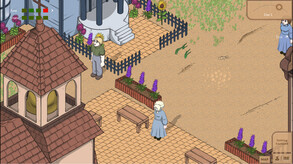
Veil of Dust: A Homesteading Game
A story-driven Survival/ Farm RPG about learning to live after loss. Explore 7 emotional story arcs tackling love, grief, purpose & struggle of many kinds. Farm, Forage, Hunt and Craft to endure the deserts of 1860's Oregon (on casual/ challenge). Walk the path from mere survival to something more.
Estimated lifetime revenueMedium confidence
$51.1Kgross
$23Klow → high range$112.5K
Net to developer$34K
Modeled estimate, not a reported figure. How we estimate →
Est. copies sold
3.3K
mid estimate
About
About the game
Veil of Dust: A Homesteading Game aims expand the Farm Sim genre and be more adult-oriented by being more task-centric, less grindy, and having more grown-up themes for its longer, more substantial storylines. Characterizations are deeper and their endeavors touch on relatable, sometimes heavy topics, while humor and struggle go hand-in-hand with heartfelt moments. Explore this world of history and magic through long, thoughtful storylines that explore love, loss, and finding purpose.
Inspired by games from different genres like Don't Starve and Stardew Valley, Veil of Dust is a historically-grounded fantasy homesteading/ survival game about finding your way after loss. Accompany the Callahan Siblings, Shane and Áine, as they learn to cope in the wake of the complete upset of their lives - journey through magic, intrigue and small-town politics to resolve the sudden appearance of dangerous, magical beasts.
Farm, Forage, & Hunt to Survive
Living in the desert isn't easy, but the magical abilities that force the protagonists to isolate themselves also helps them make the most of the environment. Farm, forage, and hunt to scrape by in the sparse desert of Eastern Oregon.
Unravel a Mystery
Guide Shane and Áine through the twists and turns of their search for answers about the monster attacks that threaten their fragile livelihood. Where will this undertaking lead these unlikely adventurers?
Forge Relationships
Survival isn't just about finding food and shelter. It's also about making life worth living. The support and attention of loved ones, romantic and otherwise, will bolster your spirit and give you strength.
Fight & Prevail
A homesteader isn't usually well-equipped for armed struggle, but desperate times call for desperate measures. Stand shoulder-to-shoulder with your sibling to defend your homestead against magical monsters.
Cook & Craft
Frontier cuisine is more about filling bellies than making an impression - scrape together what you can to conquer scarcity. Overcome challenges with tools and handicrafts that you create. Build upgrades to increase your comfort and profit.
Make the Homestead your own
Decorate your house, choose the colors, and add stock animals. Turn your home from a lonely dirt patch to a bustling and comfortable home.
Accessibility Features:
- Dyslexia-Friendly and Visual Impairment text settings for dialog
- Speed settings for hand-eye coordination mini-game
- Key re-binding
- Quick-scroll for dialog
Inspired by games from different genres like Don't Starve and Stardew Valley, Veil of Dust is a historically-grounded fantasy homesteading/ survival game about finding your way after loss. Accompany the Callahan Siblings, Shane and Áine, as they learn to cope in the wake of the complete upset of their lives - journey through magic, intrigue and small-town politics to resolve the sudden appearance of dangerous, magical beasts.
Farm, Forage, & Hunt to Survive
Living in the desert isn't easy, but the magical abilities that force the protagonists to isolate themselves also helps them make the most of the environment. Farm, forage, and hunt to scrape by in the sparse desert of Eastern Oregon.
Unravel a Mystery
Guide Shane and Áine through the twists and turns of their search for answers about the monster attacks that threaten their fragile livelihood. Where will this undertaking lead these unlikely adventurers?
Forge Relationships
Survival isn't just about finding food and shelter. It's also about making life worth living. The support and attention of loved ones, romantic and otherwise, will bolster your spirit and give you strength.
Fight & Prevail
A homesteader isn't usually well-equipped for armed struggle, but desperate times call for desperate measures. Stand shoulder-to-shoulder with your sibling to defend your homestead against magical monsters.
Cook & Craft
Frontier cuisine is more about filling bellies than making an impression - scrape together what you can to conquer scarcity. Overcome challenges with tools and handicrafts that you create. Build upgrades to increase your comfort and profit.
Make the Homestead your own
Decorate your house, choose the colors, and add stock animals. Turn your home from a lonely dirt patch to a bustling and comfortable home.
Accessibility Features:
- Dyslexia-Friendly and Visual Impairment text settings for dialog
- Speed settings for hand-eye coordination mini-game
- Key re-binding
- Quick-scroll for dialog