Tunnet is a first-person puzzle and exploration game developed and published by puzzled_squid that combines underground exploration, network engineering, and subtle psychological horror into one of the most unusual indie puzzle experiences in recent years. What initially appears to be a calm technical sandbox centered around building computer infrastructure slowly evolves into a mysterious and increasingly unsettling journey through an enormous underground facility filled with hidden systems, abandoned bunkers, and unanswered questions. By blending logical problem-solving with atmospheric exploration, Tunnet creates a surprisingly immersive experience that feels both intellectually satisfying and emotionally eerie.
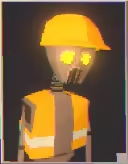
The game places players in the role of a robot technician tasked with restoring and expanding a communication network deep beneath the surface. Using specialized equipment capable of digging through underground terrain, players explore a massive subterranean complex while connecting routers, endpoints, and communication systems across distant bunkers. At first, the objective seems relatively straightforward: build a stable network and improve infrastructure efficiency. However, as the underground world expands and stranger discoveries begin appearing throughout the facility, the atmosphere slowly shifts from peaceful engineering simulation into something far more mysterious and unsettling.
One of the game’s greatest strengths is how naturally it transforms real networking concepts into engaging gameplay systems. Players must carefully manage data flow, establish efficient routes between network nodes, and troubleshoot overloaded systems as the infrastructure becomes increasingly complicated. The mechanics are clearly inspired by actual networking principles, but they are introduced gradually enough that even players unfamiliar with technical subjects can understand and enjoy the systems. Rather than overwhelming players with unnecessary complexity, Tunnet turns infrastructure management into a rewarding puzzle-solving process built around experimentation and optimization.
Progression feels especially satisfying because every successful connection expands both the network and the world itself. Completing objectives generates resources that can be invested into improved hardware, upgraded tools, and more advanced networking equipment capable of supporting larger systems. Watching a small collection of connected terminals slowly evolve into a sprawling underground communication network creates a strong sense of accomplishment. The game constantly rewards curiosity and careful planning, making even minor upgrades feel meaningful.
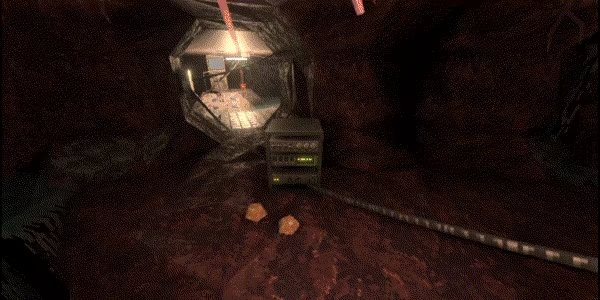
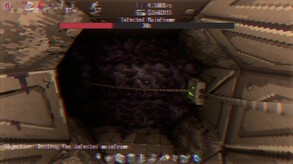
Exploration is another major highlight. The underground facility stretches far beyond the player’s initial expectations, containing hidden chambers, abandoned machinery, strange laboratories, and isolated bunkers buried deep within the earth. Digging tunnels through layers of dirt and stone creates a constant sense of discovery because players are never entirely certain what lies beyond the next wall. Some locations contain useful equipment or valuable resources, while others reveal unsettling environmental details that hint at a darker history behind the facility’s existence.
Atmosphere is where Tunnet truly becomes memorable. Despite much of the gameplay revolving around technical problem-solving, the underground setting creates a powerful sense of loneliness and unease. The deeper players descend into the facility, the more abandoned and secretive the environment begins to feel. Dimly lit corridors, isolated machinery, and strange sounds echoing through empty tunnels gradually transform the experience into something psychologically unsettling. The game rarely relies on direct horror elements, instead allowing tension to build naturally through environmental design and uncertainty.
The storytelling is intentionally restrained, which works extremely well for the tone of the game. Instead of delivering large amounts of exposition or direct narrative explanation, Tunnet allows the environment itself to communicate mystery. The player slowly pieces together fragments of information about the underground network, the abandoned bunkers, and the purpose of the facility through exploration rather than scripted storytelling. This subtle approach encourages curiosity and makes the world feel more believable and immersive.
Visually, the game embraces a minimalist low-polygon style that prioritizes readability and atmosphere over technical spectacle. The simple environments work surprisingly well because the lighting and underground architecture create a distinctive industrial aesthetic filled with isolation and tension. The glowing equipment, dark tunnels, and endless underground spaces give the facility a dreamlike and occasionally oppressive quality that perfectly supports the slower pacing of the gameplay.
Sound design contributes heavily to immersion throughout the experience. Mechanical hums, distant echoes, electrical interference, and underground ambience constantly reinforce the feeling of being alone beneath the surface. Silence is often used just as effectively as sound, making isolated noises feel unnerving whenever they interrupt the quiet atmosphere. The game’s restrained use of audio allows tension to build gradually instead of relying on sudden scares or loud horror effects.
Another impressive aspect of Tunnet is how open-ended many of its systems feel. Players are rarely forced into single solutions and are instead encouraged to design networks according to their own preferences and logic. This flexibility gives the game a satisfying sandbox quality where experimentation and optimization become just as important as exploration itself. Solving complicated infrastructure problems through personal creativity makes the gameplay feel highly rewarding.
However, the game is not without weaknesses. The networking mechanics can initially feel intimidating for players unfamiliar with logic-based systems or technical problem-solving games. Since Tunnet intentionally avoids excessive tutorials, some early systems may require experimentation before they fully make sense. Certain larger network configurations can also become fairly demanding later in the game, especially when multiple systems begin interacting simultaneously.
The slower pacing may also divide players. Much of the experience revolves around careful exploration, infrastructure management, and gradual progression rather than constant action or dramatic narrative events. Players looking for traditional horror gameplay may similarly find the psychological tension too subtle, as the game relies far more heavily on atmosphere and mystery than direct threats.
Despite these limitations, Tunnet succeeds because of how confidently it combines technical puzzle-solving with exploration and psychological atmosphere. The game transforms network engineering into an engaging and surprisingly emotional gameplay system while surrounding it with an underground world filled with mystery and quiet tension. Few puzzle games manage to feel this immersive and original while maintaining such a distinct atmosphere.
Tunnet ultimately stands out as a deeply creative and memorable puzzle adventure that blends networking mechanics, underground exploration, and subtle horror into a uniquely compelling experience. Its rewarding systems, atmospheric world design, and open-ended problem-solving create a journey that feels both intellectually engaging and emotionally unsettling. While its slower pace and technical complexity may not appeal to every player, those willing to embrace its unusual design will likely find Tunnet to be one of the most distinctive and rewarding indie puzzle games available.
Rating: 9/10