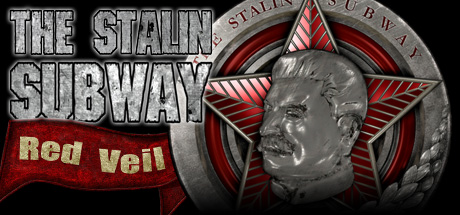
With the death of Stalin, all those who surrounded him, are now fighting for the supreme power and control over the nation. Lena, our heroine, has found that her husband has been kidnapped and possibly murdered. She has no clue about who did it, but she knows whom to ask.
Modeled estimate, not a reported figure. How we estimate →
Media
About


Genres
Stats
All-time low is the lowest price we've recorded for this game since we started tracking it.
Languages: English*, Russian**languages with full audio support
Engagement
Hours played at review time, across 41 reviews with recorded playtime.
Reviews
Themes across 41 recent reviews and how positive each mention is. A keyword signal, not full sentiment analysis.
positive critical· bar length = how often the theme comes up
Reviews
Должен сказать, что Смерть вождя стала первой и единственной игрой, которую я прошёл на лёгком уровне сложности. Самое печальное, что лёгкий уровень пришлось поставить не из-за сложного челленджа, предоставленного гейм-дизайнером, а из-за глупых решений на некоторых уровнях, кривых хит-боксов и абсолютно сломанного баланса. Очень кратко Метро-2: Смерть вождя можно охарактеризовать, как дополнение к основной игре. В основном из-за её продолжительности и минимальных отличий от оригинальной Метро-2. Не могу не сравнить уровень поездки на машине с Medal of Honor: Allied Assault. Сидя за пулемётом в джипе майора Грилло, Пауэлл может стрелять на все 360 градусов. Видя модельку врага, можно стрелять по нему и быть уверенным, что можешь его убить. При уничтожении автомобиля враги в транспорте погибали от взрыва. В метро игрок может стрелять только в небольшой области градусов в 60-70 позади автомобиля. То есть игрок не может видеть впереди ничего, даже если по нему стреляют. Солдаты в уничтоженных грузовиках сидят до тех пор, пока скрипт не заставит их встать и стрелять по игроку. При этом сами солдаты бессмертны до окончания выполнения этого скрипта. В целом на среднем уровне сложности враги обладают каким-то запредельным уровнем точности. Не важно, как игрок выходит из-за угла - быстро, медленно, ползком - они всегда попадут. Поэтому большая часть игры происходит в выползаниях из-за угла. Пусть не вершиной плохого дизайна, но одним из примеров является предпоследняя часть, когда игроку нужно сопровождать раненого Глеба. Миссии на сопровождение не любит никто. Но здесь нужно не только сопровождать, но и отстреливать противников, которые могут попасть по Глебу. Самым странным в этой миссии является решение сделать спавнящихся позади врагов, которые нападают на Глеба, если игрок отойдёт от него больше, чем на несколько шагов. Появляющиеся из ниоткуда враги - бич этой игры. Иногда геймдизайнерские решения выводят врагов из-за закрытых дверей, но чаще всего они появляются из воздуха. В шутерах для меня это самое разочаровывающее явление. Особенно на фоне хороших старых игр, где для врагов всегда есть не видимое игроку место, откуда враги выбегают на игрока. В игре проблемы с балансом, с оружием, с расстановкой противников и дизайном локации – ведь если ты не можешь грамотно вписать появление противников, значит у тебя проблема с локацией. На всё это накладывается выжигающий глаза пересвет на большинстве открытых местностей. Честно говоря, потраченного времени жаль. Пусть его было потрачено не так и много. Игра была плохой. Ещё более печально, что для игры был сделан хороший саундтрек. Не советую играть в Метро-2: Смерть вождя даже для знакомства со старыми проектами.
Осень 1941 года. Немцы на подступах к Москве. Сталин вызывает к себе командующего ПВО: - Что делается с противовоздушной обороной города? Немцы же могут бомбить Кремль! - Товарищ Сталин, мы установили новые зенитные орудия и прожектора! Но есть одна проблема... - Какая? - Маскировка. Мы не можем найти инженера, который согласится закрасить золотые звезды на кремлевских башнях. Все боятся, что их потом объявят вредителем.
Olyan élmény volt mintha harapófogóval tépnék le a körmődet és kezelés helyett inkább rászarnak még a sebre, szívjál még. A játék nehéz, bugos és szar, de FreddyD-ért végig kellett vinnem.
Из плюсов : - Физика осталось такой же как и в первой части - Добавили животных - Пытались в постановку каких-то погружающих элементов (что-то по типу безоружных солдат или солдата застрявшем в люке) - Немного другая постановка уровней (уровень с крышей) Из минусов : - Меньше арсенал оружия - Добавили животных, но зачем-то убрали собак - Непроходимая игра, наверное в целом, но я сначала пытался играть на тяжелом (до 4 уровня, который после погони), потом меня это забодало и я прошёл просто на читах - Баги, которые руинят прохождение (3 уровень "Погоня" - происходит спавн у вас за спиной, ребятушек с автоматами и они отправят вас на загрузку сейва, чудом прошёл, с жесточайшим сейв-скамом и остался с 10 хп, после чего было принято волевое решение - читерить. По-моему 4 уровень - это где начинается с открытой двери, которая о, чудо - не открывается (видимо мне не повезло). - Спавн врагов у вас за спиной (не знаю как на тяжелом уровне сложности можно пройти уровень с раненным Глебом) - Враги стоят как турели и практически не дают вам их префнуть, потому что они играют в эту игру и префают вас - Танцы с бубном для запуска (спасибо руководству от человека, с ником maxgorod76) - Длина геймплея (для многих вероятно - это плюс) Резюмируя : Игра хуже первой части, из-за технического исполнения и ИИ врагов, разработчики пытались в какую-то постановку, но все суммарно вышло очень плохо. Не рекомендую покупать эту игру (Если же все-таки решитесь, то используйте два чита - noclip 1 (чтоб пролететь в непроходимых местах), god 1 (дает неуязвимость к урону, но не забывайте, что с началом нового уровня - он сбрасывается и его нужно прописывать снова). Приятной игры!
Сдаётся мне, джентльмены, это была… комедия.
[h2]The Stalin Subway: Red Veil[/h2] Ура товарищи, наконец-то продолжение «великого» опуса про х*й знает что доступно всем желающим. Вторая игра серии буквально стала хуже во всём и всё так же в игру невозможно нормально играть без сторонних правок патчем от любезного игрового сообщества. Замечательный преемник и представитель категории «хреновых шутеров» — просто эталон-аполлон. Основные особенности игры остались без особых изменений: • Невменяемое количество противников на довольно маленьких локациях. • Душные уровни и их однотипное оформление. • Плохая боевая система и баланс в целом. • Обильное количество мешающих багов. • Ужасная физика тел и объектов. • Слабый сюжет. Даже добавить нечего, первая часть этой серии была гораздо более адекватнее и приятнее. Ставлю свечку за всех старичков, переживших этот кошмар в своём детстве или юношестве.
The Stalin Subway: Red Veil is not a perfect game, but I still enjoyed it. It has that strange old-school FPS feeling which makes it fun in its own way. This game is also a childhood memory for me, so it gives me strong nostalgic feelings. The Soviet setting, dark metro tunnels, and weird story create a special mood. Some parts are rough, but that is also part of its charm. It feels like a forgotten game from another time.
Порно из Воронежа. Все такое же кривое, работающее кое-как на костылях, но зато свое, родное. Последняя миссия по сопровождению натуральное садомазо.
Унылый геймдизайн, серые локации, куча врагов которые быстро убивают даже на нормальной сложности, а есть которые сразу ваншотают, почти нет аптечек, оружие не разнообразное, стрелять неприятно, не оптимизированая, не запускается нормально и приходится фиксить, а потом играть без музыки, проблемы впринципе с громкостью звука В итоге плохой российский шутер как и куча других российских шутеров, запустил лишь, потому что в детстве играл немного и решил вспомнить
The Stalin Subway: Red Veil is a first-person shooter developed by Orion Games and published by ESDigital Games, serving as the direct continuation of the story that began in The Stalin Subway. Set once again in Cold War–era Moscow during the early 1950s, the game expands on the political intrigue and underground conspiracies that defined the original title. Rather than moving toward a modern or futuristic setting, the developers remain firmly rooted in the tense atmosphere of Stalinist Russia, where secret operations, military rivalries, and hidden government infrastructure shape the events unfolding behind the scenes. The sequel attempts to deepen the narrative and broaden the environments while retaining the classic linear shooter structure that characterized many PC shooters of the mid-2000s. The story follows the same protagonist, Gleb Suvorov, a Soviet officer who previously uncovered a conspiracy involving a hidden nuclear device beneath Moscow. In Red Veil, Suvorov becomes entangled in yet another dangerous political situation as new conspiracies emerge within the Soviet military and intelligence circles. The narrative revolves around secret organizations, betrayals among high-ranking officials, and covert operations that threaten the fragile balance of power in the Soviet Union. As Suvorov investigates the new threat, he uncovers a series of hidden agendas that stretch from underground bunkers to the upper levels of Soviet leadership. The game attempts to blend historical tension with fictional espionage, creating a story that feels like a Cold War thriller where political paranoia and covert warfare dominate the narrative. The campaign structure follows the familiar formula of traditional first-person shooters. Players move through a sequence of linear levels while completing mission objectives, eliminating hostile forces, and uncovering pieces of the story through scripted events and brief narrative moments. Combat remains the central mechanic, and the game provides a variety of weapons inspired by real Soviet military equipment from the era. Pistols, submachine guns, rifles, and heavier weapons such as flamethrowers and explosive devices are available throughout the campaign, each suited to different types of encounters. These weapons reinforce the historical setting and provide enough variety to keep firefights engaging, whether players are battling enemies in narrow tunnels or navigating larger outdoor areas. One of the defining elements of Red Veil is its environment design, which continues to emphasize the hidden infrastructure beneath Moscow. Much of the action takes place in underground metro systems, military bunkers, secret laboratories, and the rumored Metro-2 network—a legendary system of tunnels believed to connect key government facilities. These subterranean environments create a sense of secrecy and isolation, reinforcing the theme that the player is uncovering hidden layers of Soviet power. The game also expands beyond the underground spaces more frequently than its predecessor, introducing surface locations such as government compounds, industrial facilities, and sections of the city that reflect the architecture of 1950s Moscow. This broader variety of locations helps give the sequel a slightly larger scope. In addition to standard firefights, the game occasionally introduces mission scenarios designed to add variety to the gameplay. Some sequences require players to move stealthily through hostile territory, avoiding detection or quietly eliminating enemies before an alarm is triggered. Other sections rely on scripted action moments, including escapes from collapsing structures, timed objectives, and environmental hazards that must be navigated carefully. While these mechanics remain fairly simple compared to modern shooters, they help break up the pace of the campaign and give certain missions a more cinematic feel. Graphically, The Stalin Subway: Red Veil shows modest improvements over the original game but still reflects the limitations of the technology available during its development. Character animations and enemy models are fairly basic, and the overall visual fidelity is noticeably dated by modern standards. However, the environments themselves often capture the distinctive atmosphere of Soviet architecture and infrastructure. The underground metro stations, industrial corridors, and government bunkers are designed with attention to mood, using dim lighting and heavy industrial textures to create a sense of tension and secrecy. This atmospheric design plays an important role in maintaining immersion throughout the campaign. The pacing of the game varies depending on the mission structure. Some sections emphasize intense firefights with multiple waves of enemies, while others focus more on exploration and narrative progression. Occasionally, the pacing suffers from repetitive enemy encounters or long corridors that feel somewhat formulaic. Enemy artificial intelligence can also be inconsistent, sometimes reacting slowly or behaving predictably during combat. These issues highlight the game’s relatively modest production budget and the design conventions common in shooters from the early 2000s. Despite these limitations, Red Veil remains interesting largely because of its unique setting. Few shooters explore the political and historical atmosphere of Stalinist Russia, and the game’s use of real locations and Cold War themes gives it a distinctive identity within the genre. The mixture of historical landmarks, secret underground networks, and fictional conspiracies creates a world that feels both familiar and mysterious. For players interested in Cold War stories or unusual historical backdrops, the setting alone provides a compelling reason to experience the game. The narrative itself continues the conspiratorial tone of the original game, weaving together espionage, political intrigue, and military secrets. While the story may feel somewhat complex or dramatic at times, it contributes to the overall atmosphere of secrecy and paranoia that defines the series. Suvorov’s journey through hidden tunnels and government facilities gradually reveals a broader web of political manipulation, reinforcing the idea that powerful forces are operating behind the scenes of Soviet society. Ultimately, The Stalin Subway: Red Veil stands as a continuation of a niche but distinctive shooter series. Its gameplay mechanics may feel dated, and its technical presentation cannot compete with modern titles, but the game still offers an unusual blend of historical fiction and classic FPS action. The Cold War setting, combined with the exploration of Moscow’s rumored underground networks, gives the experience a flavor rarely seen in other shooters. For players who enjoy exploring obscure or historically themed games, the sequel provides a fascinating glimpse into an alternative interpretation of Soviet-era espionage and conflict. Rating: 6/10
Related
Related
Trends
Modeled estimate over time, reconstructed from Steam's monthly review histogram.
Momentum
Pace estimated from the game's recent review growth (our daily snapshots) at its own sales-per-review ratio — a momentum signal, not booked sales.
Audience
Estimated from the language of this game's reviews — a proxy for where players are, not official Steam demographics.
Related
| Free Fire: 9th Anniversary | $3.8B | 129M | 87% | Free |
| Temple Run 2: Endless Escape | $2.2B | 9.9M | 82% | Free |
| PUBG MOBILE | $2B | 48.6M | 86% | Free |
| Free Fire MAX | $1.7B | 31.4M | 89% | Free |
| Sniper 3D:Gun Shooting Games | $1.4B | 18.2M | 92% | Free |
| Among Us | $1.4B | 13.6M | 78% | Free |
Related
| Desktop Girlfriend | $38K | 725 | 71% | $1.99 |
| Necrosis: Dawn of Dread | $38K | 148 | 88% | $9.99 |
| Brush Burial | $38K | 279 | 87% | $6.99 |
| Atlas Architect | $38K | 226 | 71% | $5.99 |
| LUST HAREM: 1001 Pleasures 💞 | $38K | 142 | 73% | $7.49 |
| Tomb Explorer VR | $38K | 66 | 83% | $24.99 |