The Next World, developed by Illuminated Games and published by AAD Productions, is a hybrid between a visual novel and a resource management survival strategy game that explores the fragility of human civilization on a hostile alien world. The game casts you as the commander of a crashed colony ship, stranded with a group of survivors after a failed interstellar expedition. From the very first moments, it establishes a grim yet compelling tone—one where every decision carries moral weight, and every misstep can lead to starvation, mutiny, or extinction. It’s a story not about conquest or heroism, but endurance, leadership, and compromise in the face of impossible odds.
The narrative takes center stage as you guide your survivors through a series of crises. Your responsibilities extend beyond building and scavenging—you must also maintain morale, resolve disputes, and make political choices that shape the future of your fragile colony. The writing is somber and mature, highlighting the isolation and moral strain of life on a planet that doesn’t want you there. The story unfolds through a series of branching events, dialogue options, and random occurrences that test your leadership style. Each choice you make affects resources like food, morale, and energy, as well as your relationships with other survivors. Unlike many strategy games that rely on clear-cut decisions, The Next World thrives on ambiguity—sometimes the “best” choice is simply the one that hurts the least.
Beneath its story lies a layer of survival management that adds tangible consequences to your narrative choices. You must allocate workers, gather resources, and maintain a balance between immediate needs and long-term development. It’s a system that mirrors the narrative’s themes of scarcity and sacrifice. Every decision—whether to build shelter, repair communications, or explore new terrain—has the potential to save lives or doom them. While these mechanics are relatively light compared to full-scale strategy titles, they give structure to the story, grounding its emotional stakes in tangible survival metrics. The simplicity of the system also means that it remains accessible, allowing the focus to stay on decision-making rather than micromanagement.
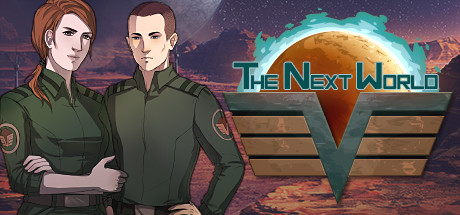
Visually, the game adopts a hand-drawn, minimalist art style that complements its introspective tone. The character portraits and backgrounds have a muted, almost industrial palette that reflects the desolation of the setting. The art direction leans heavily into atmosphere rather than spectacle, reinforcing the loneliness of the planet and the sense of decay surrounding the colony. The interface is clean and easy to navigate, with menus that make resource tracking intuitive without cluttering the screen. It’s a game that values function over flash, and in doing so, it maintains immersion without distraction.
The writing, spearheaded by Ryan A. Span, deserves special mention for its attention to character nuance and moral conflict. Your crew members are not faceless statistics; they are individuals with their own ambitions, fears, and loyalties. As the commander, you must decide how much to trust them, when to listen, and when to assert authority. This dynamic gives every interaction weight, as your decisions ripple through the colony’s social fabric. Some characters may rebel against your leadership, while others might sacrifice themselves for the greater good. The dialogue is sparse but efficient, delivering emotional impact through implication rather than exposition. It’s a narrative style that respects the player’s intelligence, allowing them to infer motives and emotions through tone and consequence.
The pacing of The Next World is deliberate and reflective. There are moments of calm, when you’re planning and rebuilding, punctuated by sudden disasters that demand immediate action. This rhythm mirrors the experience of survival itself—long stretches of uncertainty followed by bursts of chaos. The tension builds not through combat or spectacle but through resource scarcity and human fragility. Every time the food supply dwindles or morale begins to collapse, the sense of impending doom becomes palpable. The slow burn of anxiety keeps players engaged, even without the adrenaline of traditional strategy battles.
Despite its strengths, the game does show its indie limitations. The management system, while effective for storytelling, can feel shallow for players looking for deep strategic complexity. The narrative, though strong, occasionally repeats certain event patterns, and the consequences of some choices may feel too binary. The lack of dynamic animation or large-scale visuals might also disappoint those expecting a more cinematic experience. However, these shortcomings are more reflective of its scale and budget rather than a flaw in design philosophy. The game knows what it wants to be—a thoughtful survival narrative—and it delivers on that goal with consistency and sincerity.
The replay value is another of its quiet strengths. With multiple endings and branching storylines, The Next World encourages multiple playthroughs. Each run reveals new scenarios and moral dilemmas, inviting players to experiment with different leadership approaches. Whether you play as a pragmatic realist willing to make sacrifices or as an idealist who tries to preserve every life, your colony’s fate shifts in unpredictable ways. This variability adds longevity to the experience and reinforces its central theme: survival is never guaranteed, and every decision carries weight.
In the end, The Next World stands as an ambitious and intelligent blend of storytelling and strategy. It’s not a spectacle-driven game but a meditative one, asking players to think deeply about leadership, survival, and the human cost of progress. Its blend of minimalist mechanics and mature narrative design makes it a distinctive entry in the genre—an introspective tale of resilience rather than conquest. While it may not appeal to those seeking fast-paced action or grand-scale management, it offers something far rarer: a quiet, haunting reflection on responsibility and survival at the edge of existence.
Rating: 7/10