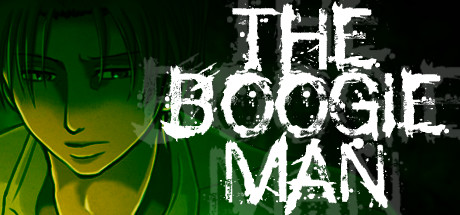
The Boogie Man, developed by Uri Games and published by PLAYISM, is a psychological horror adventure that continues the thematic and emotional threads introduced in its predecessors, The Crooked Man and The Sand Man. This third entry in the “Strange Man” series distinguishes itself by adopting a more overtly cinematic and suspense-driven approach. While it retains the pixel art and RPGMaker framework familiar to the series, it leans further into thriller territory, with a tone and structure that evoke classic slasher films as much as they do psychological horror. What results is a tightly wound, character-focused game that, despite its visual simplicity, delivers a gripping experience full of tension, mystery, and emotional resonance.
The story follows Keith Baring, a stoic detective who is emotionally distant and haunted by personal tragedy—the death of his son. As a result of his deteriorating mental health and strained relationship with his wife Helena, Keith is pressured into taking a vacation. The couple joins a guided tour of a centuries-old European castle, accompanied by a small group of other guests. What begins as an uneasy retreat quickly spirals into chaos when a masked killer calling himself “The Boogie Man” begins stalking the group, turning the vacation into a nightmare. Keith, torn between his own inner demons and his sense of duty as a detective, takes it upon himself to stop the killer and protect the remaining survivors. What follows is a descent into a dark, twisting narrative that explores grief, guilt, and redemption.
The gameplay structure remains consistent with the series’ formula—exploration, environmental puzzles, inventory-based progression, and multiple endings based on choices. Much of the game is spent navigating the dimly lit corridors and rooms of the sprawling castle, solving puzzles to unlock new areas and uncovering clues about the Boogie Man’s identity and motives. The game is more linear than its predecessors in some ways, but that focus allows for a tighter, more cinematic pace. Players will also find a number of chase sequences and danger events scattered throughout, demanding quick decision-making and occasionally a bit of trial and error. These sequences aren’t mechanically complex, but they inject adrenaline into an otherwise slow-burn experience. Puzzle difficulty is generally balanced, though a few obscure steps may require backtracking or experimentation to progress.
Visually, the game continues with the series' signature pixel art aesthetic. While not technically advanced, the visuals serve the narrative well, using lighting, color, and sparse environmental detail to establish a moody, oppressive atmosphere. The castle setting is richly designed within the limitations of the engine, and every room feels carefully curated to maintain the tension. Shadows linger in corners, lights flicker at the wrong times, and small visual cues help players remain immersed in the environment. The addition of voice acting in key scenes adds another layer of immersion, giving the characters more presence and emotional weight—though the quality of the performances can vary, the effort is commendable and elevates key dramatic moments.
The game’s emotional impact is where it truly shines. Keith is not a likable protagonist at first glance—he’s cold, emotionally withdrawn, and visibly uncomfortable around others—but his character arc is central to the experience. As the story progresses, it becomes clear that the Boogie Man is not just a physical threat, but a representation of trauma and unresolved grief. Much like the other “Strange Men” in the series, the antagonist here is as much a symbol as a character, forcing Keith—and the player—to confront the scars of past failures and the consequences of emotional isolation. The narrative threads dealing with guilt and redemption are layered and meaningful, especially as the game reveals more about the other characters and their own personal demons. The multiple endings further reflect the consequences of the choices made throughout the game, and each provides a different lens on Keith’s journey and whether or not he finds peace.
That said, the game is not without its weaknesses. Navigation can sometimes be unclear, with objectives not always communicated effectively, which may leave players wandering until they stumble upon the correct trigger. Some puzzle solutions require leaps in logic that could frustrate players who prefer more straightforward progression. The limitations of the RPGMaker engine also show through during action-heavy sequences, where movement can feel clunky and unresponsive, particularly during timed events or chases. However, these flaws are largely forgivable in the context of an emotionally-driven narrative game, especially one developed with such a small team and a focused creative vision.
Ultimately, The Boogie Man is a powerful entry in Uri’s ongoing exploration of flawed, emotionally burdened protagonists. It trades the slow, internal melancholy of The Crooked Man and the surreal dreamscapes of The Sand Man for a more focused, high-stakes narrative steeped in horror-thriller tropes. Yet beneath its slasher veneer is a story about confronting personal demons, learning to forgive, and deciding whether to remain broken or fight to heal. For fans of narrative-rich horror games with minimalist presentation but maximal emotional impact, The Boogie Man stands as another strong, unsettling chapter in one of indie horror’s most emotionally intelligent series.
Rating: 8/10