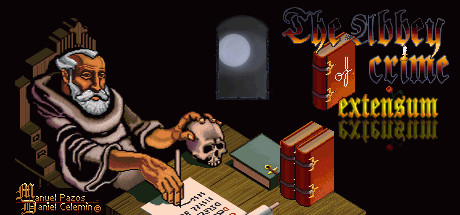
A free game inspired by Umberto Eco's novel and Jean-Jaques Annaud's film "The Name of the Rose", and based on the game "La abadía del crimen" by Paco Menéndez and Juan Delcán.
Revenue comes from in-game items and microtransactions, which our price-based model doesn't estimate. Copies below reflect the player base, not paid sales.
Media

About


Genres
Stats
Languages: English, Spanish - Spain, Italian, French, Polish
Engagement
Reviews
Themes across 40 recent reviews and how positive each mention is. A keyword signal, not full sentiment analysis.
Reviews
[quote=author] 在我这罪孽深重的一生走向尽头、静候沉入荒凉的神性深渊中之际;此刻,我受困于挚爱的梅尔克修道院一间僧房里,身躯沉重,病痛缠身。于是我决意将年少时所见证过的那些奇异骇事,尽数留在这张羊皮纸上。 蒙主恩典,让我能忠实地记录那些在一座修道院中发生的事件——这修道院的名字,我宁愿以虔敬的沉默将之遮蔽。那是1327年末,父亲命我随侍博学的方济各会修士奥卡姆的威廉,开启一段遍历名城古刹的旅程。由此我既成为他的抄经员、亦为门徒——此乃无憾之选,因为正是跟随他,我得以见证了值得被记录、留给后世的事件。随着朝夕相处,我也渐渐对导师越发了解,并最终抵达了屹立着修道院的山麓。 此刻,正如当年我们渐近山峦,我的记述亦当逼近真相。愿执笔之手在写下这段经历时仍能稳健如初…… ——梅尔克的阿德索 谨志 [/quote] 对于那些游戏产业起步较晚、或是未能被社会主流所接受的国家,其相互之间发展经历都是十分相似的。和我国早期的情况相似,它们在建立起正规的市场环境之前,很多作品都是诞生自大学社团、计算机公司副业、甚至只是某些有条件的机关部门人员之手。 每个地方的故事基本都大同小异——IBM PC和它的各种克隆机,通过特殊途径传播到这些国家某些有条件的人手中,并随之扩展出了自己的游戏开发圈子。不过很快的,盗版游戏主机出现了,于是它们进一步变得更加小众。但那时候想要自由地开发游戏,对于大多数开发者而言,还是寄希望于后来成型的PC市场。 虽然被称之为“上世纪80年代欧洲最大的游戏市场之一”,但在《盟军敢死队》之前,可能全球玩家对于西班牙游戏都是十分陌生的。许多早期作品并未能取得商业成功,也缺乏北美地区那样相对早成型的信息记载,很多都仅仅只留下个名字就消失无踪了。 《The Abbey of Crime:Extensum》是1987年的同名等距视角冒险游戏重制。原版游戏的灵感改编自Umberto Eco的著名小说——《玫瑰之名》。由Opera Soft开发,登陆了当时的Amstrad CPC、Spectrum和MSX等平台。 原作从未在西班牙地区之外的市场发行过。但它有着相当数量的狂热信徒,将其视为本土早期游戏的代表性作品,甚至有一个GBA的民间移植版本。重制版由Manuel Pazos 和 Daniel Celemín历时两年完成,采用免费游戏形式发布。 最初的游戏计划以《玫瑰之名:电子游戏》为标题,作为原著正式授权改编发行的。然而小说出版方拒绝授权,从未给开发者Paco Menéndez给予回复,最终只能选择使用原著的暂代书名作为标题。但除了主角改名为“奥卡姆的吉列尔莫”外,整体内容仍然可以视为小说的游戏改编,主角带着年轻的助手阿德索,在偏远的山中修道院里调查一起谋杀案。 和我们熟知的点击、或是文字形式的常见交互手法不同,《The Abbey of Crime》采用的等距视角框架,算是早期冒险解谜类型一个不太成功的演化方向。它经常因不成熟的操作、视角和技术限制带来的缓慢而被诟病,但却能在当时带来相当不错的临场感与美丽图形。 以当时的标准而言,用等角素材、以砖块格单位构建起来的场景非常震撼。修道院的布局复杂、环境多样;它仅用稀少的色彩,构建出了肃静、忧郁的山中修道院氛围。 这个特征在随着重制版进入16-bit美术后,得到了更进一步的扩展。从用色上来讲,新版更接近美式卡通的质感,少了一些阴冷的气息,多了一些调皮幽默的调性。但整体对比下来的话,我认为它对于原版的改进与继承都算是十分到位。此外,突破了技术和容量限制后,重制版还增加了诸如户外场景、以及修道院圈养的禽畜等环境细节等等,视觉观感很不赖。 它还保留了原作最大的争议点——令人困惑不已的电影化场景转换。虽然游戏是2D框架,但它在角色进入新场景时,并不会遵循原有的方向。简单描述的话,有点类似老生化那种摄像机切换镜头的感觉。 无论原版还是重制,这种手法确实让游戏用简约的画面素材,构建出了令人信服的庞大修道院。但这也令游戏的场景切换特别反直觉。你从左下角进入新区域,下一个镜头你出现在了偏左下方的中央位置,连朝向都会改变。加上游戏操作采用坦克式移动,固定区域镜头的形式,整个修道院探索起来完全就是像在幻境中摸索。 顺便一提,除了现代玩家很不习惯的坦克式移动,游戏中按“下”也并非后退。看到你身边的助手没有?在游戏里还有许多需要两人分头行动的桥段,而“下”是把你的助手“发射”出去,以此来完成某些场景的解谜。但这个指令模式经常会进一步扰乱我们已经习以为常的思维。 而这在游戏并不“有趣”的玩法之下会更为令人难受。你和原作小说一样,需要在七天之内查明一起谋杀案。但是作为一名修道士,你的一举一动都要经过院长的审查。你没有血条,但是你有一段名为“Obsequiem”的计量条,每当你违背NPC的指示、闯入未受允许的区域,或是没能及时前往某个地区就会缩短。而归零的代价就是被逐出修道院Gameover。 所以这个游戏真的用并不“电影化”或是其它沉浸感的手法,以简单的规则和令人困惑的场景移动,带来了一种古代修道士的模拟生活感。你得按时去食堂吃晚饭,你也得按规定的位置就座,用你仅剩无多的毛发想也知道不能错过祷告时间。所有的一切,都与你通常游玩一款探索驱动的游戏习惯背道而驰。 顺着攻略老老实实走,它大概在两个小时内就能完成。而大部分流程里,你都是在花费心力进行场景移动。诸如解谜、推理或是其它你认为能在一个调查凶案的冒险游戏里,理应体验的内容并不多。 你首先需要摸清整座修道院的布局——这似乎不太可能,因为严苛的清修日常在束缚着你。七天的时间步步紧逼,夜晚似乎是个不受打扰、暗中调查的好时机?然而院长会在这个时间段巡逻,一旦被发现就会将你驱逐;仔细想想,在暗藏着骇人秘密的古老修道院里,一个会断绝你游戏过程的黑影潜伏其中,这居然算是少数能带来点“游戏感”的时刻了。 即便以当时的眼光去看,《The Abbey of Crime》都是一款实验性浓郁的作品。它用自己的方式还原了名著、扩展了美术设计的表现力、也带来了早期的主题沉浸氛围。 但即便已经有一定优化、更加现代的重制版《The Abbey of Crime:Extensum》,我觉得它也不是什么玩起来具有乐趣的作品。就算是云一遍,可能效果都比自己体验更好。但对于喜欢考古,挖掘不同创作与表达手法的人而言,它确实值得一试。
Related
Related
Trends
Concurrent players on Steam, sampled daily since tracking started.
Hours played at review time, across 40 reviews with recorded playtime.
positive critical· bar length = how often the theme comes up
Volver a jugar La Abadía del Crimen como cuando éramos pequeños, pero adaptado a los tiempos de hoy. Mucho más intuitivo y agradecido.
İzometrik bakış açısına sahip güzel bir macera oyunu diyebilirim. Şahsen beni biraz sardı ben böyle eski oyunları seviyorum ileride girip tekrar oynarım diye düşünüyorum.
Игра 'The Abbey of Crime Extensum' – это мастерски воссозданная классика, которая погружает в мрачную и загадочную атмосферу средневекового аббатства. Расследование серии убийств, вдохновленных "Именем Розы" Умберто Эко, захватывает с первых минут. Особенно хочется отметить бережное отношение к оригиналу, при этом Extensum добавляет в игру приятные улучшения: более плавное управление, адаптированный интерфейс и возможность более детального изучения локаций. Графика, хоть и сохранена в пиксельной эстетике, стала заметно четче и детальнее. Геймплей представляет собой сочетание исследования, логических головоломок и разговоров с насельниками аббатства. Сложность порой может показаться завышенной, но именно преодоление этих трудностей приносит настоящее удовлетворение. Атмосфера тайны, саспенса и религиозных распрей передана просто великолепно. Мелкий, но приятный бонус – возможность ускорения игры. Несмотря на свою олдскульность, игра прекрасно играется и сегодня. Любителям детективных квестов и поклонникам творчества Умберто Эко – настоятельно рекомендуется к ознакомлению. Это не просто ностальгия, это действительно качественное приключение.
"La Abadía del Crimen: El regreso de una leyenda" 🏰 Para los que aún sentimos el pulso de los 8 bits en las venas, este título no es solo un juego, es una referencia absoluta. Tal como Umberto Eco nos cautivó con "El nombre de la Rosa", esta joya nos sumerge en un misterio monacal sin igual. Esta versión es una delicia: respeta la estética retro que amamos, pero con un lavado de cara en gráficos y audio que le sienta de maravilla. Lo mejor de todo es que el abad ya no es tan implacable; nuestras obligaciones en el monasterio no se castigan con la severidad extrema de aquellos tiempos del Spectrum o Amstrad. Es gratuito. Descárgalo y, si tu paciencia es de acero, complétalo. Pero, por encima de todo: disfrútalo.
Hidden Gem... must play
Great game, catchy and very fun to play
The Abbey of Crime Extensum is a faithful and carefully expanded homage to the 1987 Spanish classic La Abadía del Crimen, developed and published on Steam by Manuel Pazos and Daniel Celemín. Deeply inspired by Umberto Eco’s The Name of the Rose, the game places players in the role of Fray William of Occam and his young novice Adso of Melk as they arrive at a remote Benedictine abbey to investigate a series of mysterious deaths. Rather than reimagining the original as a modern action-adventure, Extensum embraces its roots, preserving the contemplative pacing, strict monastic routines, and methodical investigative structure that defined its predecessor, while modernizing visuals and usability for contemporary audiences. At its core, the game is an isometric adventure built around exploration, observation, and deduction. The abbey itself functions almost as a living character, governed by a rigid daily schedule that players must respect. Bells ring to summon monks to prayer, meals, or study, and failing to attend mandatory activities can result in reprimands or even expulsion from the abbey. This mechanic adds a layer of tension distinct from combat or timed action sequences. Instead of fighting enemies, players must balance their investigative curiosity with adherence to the strict discipline of monastic life. The result is a gameplay rhythm that feels immersive and authentic, as though the world continues operating regardless of the player’s intentions. Exploration is deliberate and often challenging. The abbey’s layout is expansive and labyrinthine, with interconnected corridors, cloisters, dormitories, kitchens, and hidden chambers that gradually reveal themselves over time. Unlike many modern adventure games that heavily guide players with quest markers and objective trackers, Extensum encourages careful note-taking and spatial awareness. Although the addition of a map system improves navigation compared to the original 1987 release, orientation can still be disorienting due to shifting perspectives in the isometric view. This sense of dislocation reinforces the thematic feeling of being lost within an intellectual and architectural maze. Narrative progression is subtle and layered. Clues are not spoon-fed; instead, players gather information through conversations, environmental details, and attentive observation of characters’ routines. The mystery unfolds gradually, demanding patience and logical reasoning. The dialogue captures a sense of medieval intellectual discourse, touching on themes of faith, knowledge, heresy, and power. The tone is restrained and contemplative, staying true to its literary inspiration. Rather than relying on dramatic cutscenes or cinematic flair, the story is conveyed through atmosphere and inference, rewarding players who pay close attention. Visually, The Abbey of Crime Extensum updates the original’s pixel-art style into smoother 3D isometric environments while maintaining a retro sensibility. Character models are simple but expressive enough to convey mood, and environmental design focuses on architectural authenticity over spectacle. The abbey feels cohesive and grounded, with carefully designed interiors that reflect monastic austerity. Sound design is understated, with ambient effects and minimalistic music reinforcing the solemn atmosphere rather than overwhelming it. The game’s pacing may not appeal to everyone. It is slow, deliberate, and occasionally unforgiving. Players accustomed to fast-paced narratives or immediate gratification may find the structured schedule and measured exploration frustrating. However, for those who appreciate methodical storytelling and systemic immersion, the experience is deeply rewarding. The tension comes not from sudden danger but from the intellectual challenge of piecing together fragmented clues while navigating social hierarchies within the abbey. Ultimately, The Abbey of Crime Extensum stands as both a tribute and a preservation effort. It honors a landmark in Spanish gaming history while making it accessible to a new generation of players. Its strengths lie in atmosphere, authenticity, and respect for source material rather than innovation or modern spectacle. For players who value literary-inspired mysteries, historical settings, and deliberate gameplay, it offers a richly immersive journey into medieval intrigue. While its old-school design philosophy may limit its mainstream appeal, it succeeds admirably as a thoughtful and faithful reimagining of a cult classic. Rating: 8/10
Even though it's a simple and (very) old game, you can feel the suspense!
This game is a relic to me. Back in the late 80s, I played its MSX version. It was a challenging game that introduced me to very distinctive mechanics. I was amazed to discover that things were happening in that Abbey at night; if I arrived early at the church or the refectory, a cinematic sequence would start, showing other monks in their routines. The game was so hard to finish (I got stuck when I managed to enter the library) that I first watched the movie to look for hints. Then, finally, I was inspired to read the book. I have that game to thank for that. It ended up becoming the book of my life (I have read it at least four times). Now, this enhanced version of the game has given me the opportunity to experience that feeling again and, FINALLY, finish it nearly 40 years later.
Momentum
Pace estimated from the game's recent review growth (our daily snapshots) at its own sales-per-review ratio — a momentum signal, not booked sales.
Audience
Estimated from the language of this game's reviews — a proxy for where players are, not official Steam demographics.
Related
| House Flipper | $65.8M | 111K | 94% | $24.99 |
| Soulmask | $17.8M | 22.1K | 77% | $23.99 |
| Occupy Mars: The Game | $3.4M | 3.1K | 70% | $29.99 |
| Tourist Bus Simulator | $3.3M | 3.5K | 66% | $29.99 |
| Emberward | $2.3M | 3.8K | 97% | $19.99 |
| NARUTO SHIPPUDEN: Ultimate Ninja STORM Revolution | $2.1M | 9K | 84% | $29.99 |