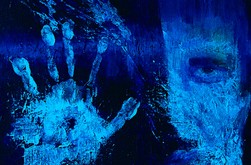
STARBO tells you the story of a dead man's journey through a mysteriously blue world filled with strange messages and beings all trying to tell you a story, the story of Leo Cornell.
Modeled estimate, not a reported figure. How we estimate →
Media

About
Stats
All-time low is the lowest price we've recorded for this game since we started tracking it.
Languages: English*, French, Italian, German, Spanish - Spain, Arabic, Bulgarian, Danish, Finnish, Simplified Chinese, Greek, Indonesian +91 more
Engagement
Hours played at review time, across 40 reviews with recorded playtime.
Reviews
Themes across 40 recent reviews and how positive each mention is. A keyword signal, not full sentiment analysis.
positive critical· bar length = how often the theme comes up
Reviews
carino. si potrebbe ottimizzare di più.
Gorgeous. Weird. Short. Frustrating sometimes. Unique. Somewhat fun.
korku gerilim diye yapılmış yürüme ve zorunlu video izleme simülasyonu boş
Oyun gereksiz kısa ve saçma. Hikaye bazında yapılmaya çalışılmış fakat yürüme simülasyonu. arada arkadan bir şeyler kovalıyor hızlı koşayım diyorsun enerjinin bitiyor he bir de söylemeyi unuttum seni kovalayan şeye yakalandığında direk ölmek bir yana kulak falan bırakmıyor saçma yüksek sesli tiz bir ses koymuşlar bu sebep ile oyunu yüksek seste falan kulaklıkla oynamayın. Oyun kısa zaten 1 saat falan ben beğenmedim ilginç geldiği için almıştım. Hepinize iyi eğlenceler , iyi oyunlar .
STARBO – The Story of Leo Cornell is an atmospheric indie experience developed and published by Diax Arts, built around a surreal narrative framework and exploration-driven gameplay. Rather than positioning itself as a traditional horror title or a mechanics-heavy adventure, it unfolds as a psychological journey through a stylized, predominantly blue-tinted world that feels suspended somewhere between memory and afterlife. The premise centers on Leo Cornell, a man who is already dead when the story begins, and the player is invited to traverse the strange spaces that surround his lingering consciousness. From the outset, the game establishes that it is less concerned with conventional storytelling and more focused on mood, symbolism, and emotional undertones. The gameplay structure aligns closely with the walking simulator genre, emphasizing exploration over action. Players move through corridors, rooms, and abstract environments that often feel dreamlike in their design. Interactions are limited to environmental triggers, occasional puzzle-solving, and key discoveries that allow progression into new areas. The puzzles themselves are relatively light in complexity, usually requiring observation and simple problem-solving rather than deep logical deduction. This keeps the pacing steady and ensures that players remain immersed in the atmosphere rather than becoming stalled by overly intricate mechanics. The design philosophy suggests that the experience is meant to be consumed in a focused session, allowing the tone and imagery to carry the emotional weight. Visually, STARBO stands out due to its distinctive color palette and lighting choices. The heavy use of blue hues creates a consistent aesthetic that reinforces the sense of isolation and introspection. Environments are not densely detailed, but they are carefully composed to evoke unease and contemplation. Long hallways, shadowed corners, and sudden shifts in space contribute to a feeling of uncertainty, as if the world itself is unstable or shaped by fractured memories. This minimalistic approach works in the game’s favor at times, as it allows the player’s imagination to fill in gaps and assign meaning to ambiguous visual cues. While primarily exploratory, the game introduces moments of tension through encounters with hostile entities. These sequences do not evolve into full-fledged combat scenarios; instead, they emphasize vulnerability. The player must evade threats rather than confront them, reinforcing the idea that Leo’s journey is one of reckoning rather than empowerment. These brief horror elements punctuate the otherwise quiet exploration, adding spikes of adrenaline that contrast with the slower pacing of narrative discovery. However, the reliance on surprise encounters may feel uneven to some players, particularly when compared to the more introspective tone of the surrounding segments. Narratively, STARBO takes a fragmented and symbolic approach. The story is not delivered through lengthy dialogue exchanges or explicit exposition. Instead, it emerges through environmental hints, cryptic messages, and interpretive imagery. This method invites players to piece together Leo’s past and emotional state through implication rather than direct explanation. For those who appreciate ambiguous storytelling, this can be one of the game’s most compelling aspects. It encourages reflection and personal interpretation, allowing each player to construct their own understanding of what Leo’s journey represents. At the same time, the lack of concrete narrative anchors may leave others feeling detached or uncertain about the story’s ultimate meaning. The audio design complements the visual atmosphere effectively. Ambient sounds and a restrained soundtrack heighten the emotional tension without overwhelming the senses. Silence is used deliberately, often amplifying the sense of solitude as players move through empty spaces. When music or sound cues do emerge, they serve to underline key moments, whether signaling danger or reinforcing a melancholic tone. The overall soundscape contributes significantly to immersion, helping to maintain a consistent mood throughout the experience. In terms of scope, STARBO is a relatively short game, and its limited runtime underscores its focus as a narrative vignette rather than a sprawling adventure. It does not offer extensive replayability or branching paths that radically alter outcomes. Instead, its value lies in the emotional and atmospheric impact of a single, concentrated playthrough. Technical execution is functional but occasionally rough around the edges, reflecting its indie origins. Movement, environmental design, and transitions sometimes reveal the constraints of its production scale, though these issues rarely overshadow the central experience. Ultimately, STARBO – The Story of Leo Cornell is best approached as an experimental narrative piece rather than a traditional horror or adventure title. Its strength lies in its mood, aesthetic cohesion, and willingness to embrace ambiguity. While it may not satisfy players seeking intricate gameplay systems or clear narrative resolution, it offers a distinctive journey through a stylized psychological landscape. For those drawn to atmospheric indie projects that prioritize feeling over mechanics, STARBO provides a contemplative and occasionally unsettling exploration of memory, identity, and the spaces that linger between life and death. Rating: 5/10
You ♥♥♥♥♥♥.
это был целый час угара и мыслей о том что я потратил лишний час на какую то хрень вообще не понятный сюжет завязанный на том что в начале нас уволили, назвали дебилом и послали потом мы попадаем в какое то подобие космического корабля(как мне показалось) с очень скудным оформлением, автоматическими дверьми, обычными дверьми на петлях, и люков которые то сами открываются, то гуляют туда-сюда в конце мы в трипе едем на поезде, а сзади нас едет поезд с боссом который опять увольняет нас и называет опять ретардом(дословно юр факинг ретард) смысле в этой игре нет, имеется тупое управление при котором почему есть задержка при ходьбе, не нужная механика замедления и ускорения времени которое нельзя контролировать, а происходит при определенных обстоятельствах и СУПЕР-ДУПЕР-ГИПЕР-МЕГА тупорылое освещение которые и занимало всю мощность, потому что она была ВООБЩЕ не плавной во многой части игры, а иногда становилось нормальной я прошел ЭТО на все ачивки и скажу что это говно у этого разраба есть игра karen sees которая по идее тоже тупая, но по реализации записок и концовке можно было бы в нее поиграть а в это это вообще не история об этом лео корнелле просто игра бродилка с каким то иногда всплывающими декорациями которые ВООБЩЕ не вписываются в мир в который мы попали а загадка которая в этой игре единственная как будто вообще не нужна можно было сделать тупо игру с головоломками, желательно нормальными и игра была бы намного лучше и немного больше подумать над сюжетом и над озвучкой как будто монолог в котором постоянно звучит брайнмановское SOOOO вводит в то что человек даже не писал монолог гг, а просто говорил на ходу, придумывал сраузу кароче говно но пройденное на 100% если че субтитров нет, русского нет хотя написано что есть и я прошел ее более менее быстро а когда получил последнюю ачивку че то еще идет какое то повествование и думаю даже титры но я скипнул вотб
The best way to describe this game is: Blue and dull!
Such a great short game I really enjoyed this game. I purchased it for $2 or $3 last year and played it the other day and finished it today. If you can look past the bugs and issues its actually quite a good decent short game. This game takes about 1-2 hours to finish. There are 2 monster chases all up. The first monster chase is a bit frustating in two places because there is one area where you fall through the floor multiple times and you can't avoid it. It happeened to other gamers and it happened to me (see the reviews). Eventually the floor fixed itself after 4-5 tries) The other frustration is while running from the monster you get to the end door only to see "need a key" for the door, so you have to look for a key in another room and run back to the door while being chased. It's not too hard I gto past it eventually. There is a stamina bar that runs out quick during monster chases, so while being chased you have to run/walk/run/walk, Stanina recovers while walking, so run/walk/run/walk. The other monster chase a strobe light flashes in your face when the monster runs down the stairs so if you hate flashing lights you might not like it. All you have to do is grab the key (before the monster chase, easy to do as the game expects you to do this to trigger the monster chase) then turn and run down the corridor. There is stutter to this game during gameplay and cutscenes but it's not too bad and the game is playable. Ive see worse (Just Cause 4). There is a lot of zones that are flashing red lighting, flashing yellow lighting making it hard to see (red is ok but yellow was hard and difficult to see). The game is played mostly in Blue as Leo dies and come back to life in a bmysterious lue world. The game is frist person and a lot of fun. I enjoyed it especially the voiceover. If you can look past the bugs/issues then this short game is great and it's easy to 100 percent, You get the first achievement just by getting past the first cutscene. The end, the music was great. I won;t spoil the ending for those who haven't played it. Go play this game, but only get it when discounted. Great fun short game. Final rating 8/10.
I didn't really enjoy it. Though at 90% I'm not too peeved at having gotten this. Certainly would not recommend paying full price. It's basically an hour of walking down some samey looking corridors while you occasionally get pursued, or go to another room to find a key to open a door. There's a bit of a hoo-hum story that's just sort of there. Basically the intro just sets the scene to explain [spoiler] why everything you're going through is actually in a coma[/spoiler]. Graphically the game is decent enough except for the horrendously blocky shadows. There's really not much more to say. The corridors change colour to add variety, and there's occasional moments of creepiness but these never really build to any sort of impactful level. The narrator and script are about average. Overall I didn't hate it but there's better uses for an hour of your life.
Related
Related
Trends
Modeled estimate over time, reconstructed from Steam's monthly review histogram.
Momentum
Pace estimated from the game's recent review growth (our daily snapshots) at its own sales-per-review ratio — a momentum signal, not booked sales.
Audience
Estimated from the language of this game's reviews — a proxy for where players are, not official Steam demographics.
Related
| Tex Murphy: Mean Streets | $15.7K | 104 | 71% | $5.99 |
| Rending Sky | $15.7K | 51 | 43% | $14.99 |
| The Tennis Master | $15.7K | 76 | 59% | $9.99 |
| 1 Million Zombies | $15.7K | 76 | 87% | $9.99 |
| Sisters Royale: Five Sisters Under Fire | $15.7K | 64 | 91% | $13.99 |
| The Empty Eyes | $15.7K | 64 | 81% | $8.99 |