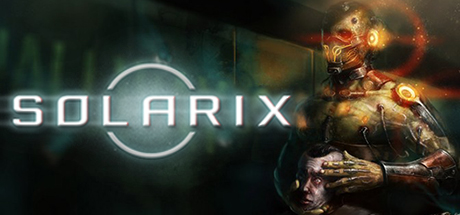
Solarix is a science-fiction stealth horror game that attempts to combine psychological tension, survival horror, and immersive stealth gameplay inside a collapsing space station filled with paranoia, infection, and isolation. Developed by Pulsetense Games and Playstige Interactive, the game clearly draws inspiration from classic sci-fi horror titles such as System Shock 2 and Dead Space while incorporating stealth mechanics reminiscent of older immersive simulators. Rather than focusing on nonstop action or cinematic spectacle, Solarix emphasizes vulnerability, careful movement, and atmospheric storytelling within a dark futuristic setting where survival often depends on avoiding danger rather than confronting it directly.
The story follows Walter Terrace, an engineer trapped inside a massive research facility after a catastrophic outbreak devastates the station and transforms much of the crew into hostile creatures. The remaining survivors operate under fear and suspicion while the entire station slowly descends into chaos. As Walter explores the facility searching for answers and a way to survive, the game gradually reveals conspiracies, psychological instability, and the consequences of scientific ambition pushed beyond ethical limits. The narrative leans heavily into themes of isolation, paranoia, and moral collapse, creating a bleak atmosphere that fits the science-fiction horror setting remarkably well.
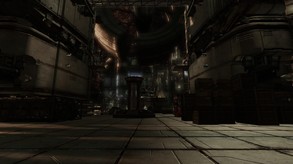
One of the game’s greatest strengths is its atmosphere. Solarix consistently succeeds at creating an oppressive sense of dread through environmental design, lighting, and sound. Dark corridors, abandoned laboratories, malfunctioning machinery, and flickering lights combine to create a world that constantly feels hostile and unstable. The station itself becomes one of the most important elements of the experience because every area feels damaged, dangerous, and filled with hidden threats. Exploration often becomes tense even during quiet moments because the game constantly suggests that danger may appear at any time.
Stealth gameplay forms the core of the experience. Ammunition and resources are intentionally limited, forcing players to rely heavily on avoiding enemies, hiding in shadows, and carefully observing patrol patterns. Direct combat is usually discouraged because enemies are dangerous and ammunition is scarce. Players frequently move through dark areas while monitoring visibility and noise levels, creating a slower and more methodical pacing than most modern horror shooters. The game encourages patience and caution, rewarding players who pay attention to environmental details and enemy behavior.
The stealth systems themselves borrow heavily from classic immersive simulation games. Players can use darkness to remain hidden, distract enemies by throwing objects, disable lighting systems, and search for alternate routes through dangerous areas. This approach creates moments where the game genuinely feels immersive and strategic, especially during sections where players successfully navigate heavily guarded environments without being detected.
Exploration is another important aspect of the gameplay. Levels are relatively open-ended and encourage players to search for hidden resources, alternate pathways, audio logs, and environmental clues explaining what happened aboard the station. Much of the story is told indirectly through documents, recordings, and environmental storytelling rather than lengthy cutscenes. This style of narrative delivery works particularly well within the setting because it reinforces the feeling of uncovering the remains of a disaster piece by piece.
The sound design deserves significant praise. Ambient mechanical noises, distant screams, unsettling background sounds, and subtle musical cues constantly reinforce the sense of isolation and danger. The soundtrack remains restrained for much of the game, allowing silence and environmental audio to carry much of the tension. Voice acting is also surprisingly strong for a smaller indie production, helping the story and characters feel more believable despite the game’s technical limitations.
Visually, Solarix captures the atmosphere of old-school industrial science-fiction horror effectively. Certain environments, particularly laboratories, maintenance corridors, and abandoned research sectors, genuinely feel oppressive and immersive. The lighting design often compensates for the modest graphical fidelity, creating scenes that successfully evoke the mood of classic science-fiction horror experiences despite the lower production budget.
However, many of the game’s ambitions are undermined by technical and gameplay problems. The enemy AI is one of the most heavily criticized aspects of the experience. Enemies often behave inconsistently, either detecting players unrealistically or failing to react properly to obvious movement and noise. Patrol behavior can feel unpredictable in frustrating ways, making stealth sections less satisfying than intended. Since stealth is the foundation of the gameplay, these inconsistencies become difficult to ignore over time.
Combat is another weak point. Although the game encourages stealth over action, players are still occasionally forced into direct confrontations that reveal the limitations of the shooting mechanics. Weapons feel awkward and lack impact, enemy reactions are stiff, and firefights often feel clumsy instead of tense. Combat rarely reaches the level of polish needed to support the game’s horror atmosphere effectively.
Technical issues also affect the overall experience significantly. Bugs, rough animations, inconsistent checkpoint placement, pathfinding problems, and occasional glitches appear throughout the campaign. Some sections become frustrating due to awkward save systems and lengthy stealth sequences that must be replayed after small mistakes. These problems are particularly damaging because the game already demands patience and careful movement from players.
Pacing can occasionally become repetitive as well. Certain stealth sections feel overly long, and slower movement speed combined with backtracking can make progression drag during extended play sessions. The open-ended level design sometimes creates confusion regarding objectives, leading players to wander through similar-looking environments while searching for the correct route forward.
Despite these flaws, Solarix still possesses a strong sense of identity. The game clearly comes from developers passionate about immersive science-fiction horror and atmospheric storytelling. Beneath the rough mechanics and technical issues lies a genuinely ambitious attempt to create a psychological stealth horror experience focused on tension and vulnerability rather than spectacle.
What ultimately makes Solarix memorable is the atmosphere created through its oppressive environments and sense of isolation. The station feels genuinely abandoned and dangerous, and the game’s commitment to slow-burning psychological horror helps it stand apart from many action-heavy science-fiction shooters.
Solarix is ultimately a flawed but ambitious stealth horror experience filled with strong environmental storytelling, immersive atmosphere, and frustrating gameplay limitations. Players willing to tolerate rough mechanics and inconsistent AI may still find a compelling old-school sci-fi horror adventure hidden beneath the technical imperfections.
Rating: 6/10