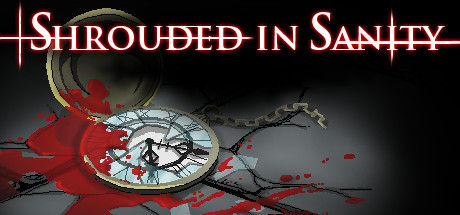
Skautfold: Shrouded in Sanity is a dark action-adventure game created by Steve Gal and published by Pugware. Released on Steam in 2016, it serves as the first entry in the Skautfold series and introduces players to a grim alternate history setting steeped in gothic horror and cosmic mystery. The game combines 2D exploration with deliberate combat mechanics inspired by Souls-like design, while its narrative borrows heavily from Lovecraftian themes of madness, hidden knowledge, and humanity’s vulnerability when confronted with forces beyond comprehension. Though modest in scale compared to larger action games, it attempts to craft an atmospheric and challenging experience built around exploration and survival.
The story takes place in an alternate version of 19th-century Britain within a fictional empire known as the Angelic Empire of Britannia. Players assume the role of a royal emissary dispatched to investigate Berelai Manor, a once-prestigious estate now surrounded by an unnatural fog and plagued by rumors of madness and violence. Reports indicate that the manor’s inhabitants have succumbed to strange behavior, and communication with the outside world has ceased entirely. What begins as a formal investigation quickly evolves into a nightmare scenario as the protagonist uncovers disturbing secrets about the estate and the supernatural forces that have taken hold within its walls.
Berelai Manor serves as the primary setting for the game, and its design plays a major role in shaping the overall experience. The building is filled with interconnected corridors, hidden rooms, and dimly lit chambers that evoke the oppressive atmosphere of classic gothic horror stories. As players move through the mansion, they gradually piece together fragments of its tragic history through environmental clues, notes, and encounters with its corrupted inhabitants. The storytelling approach relies heavily on discovery rather than lengthy exposition, encouraging players to explore every corner of the environment in search of answers.
Gameplay unfolds from a side-scrolling perspective with pixel-art visuals that echo the style of classic retro action games. However, beneath its nostalgic appearance lies a combat system built around patience and precision. Enemies are dangerous and capable of dealing significant damage, forcing players to approach encounters cautiously. Reckless attacks often lead to quick defeat, while careful observation of enemy behavior allows players to exploit openings and survive difficult battles. This design reflects the influence of modern Souls-like games, where mastering timing and positioning becomes essential for progress.
The combat mechanics revolve around two primary weapons. The protagonist carries an Iaito cane sword that functions as the main melee weapon, delivering swift slashing attacks against nearby enemies. Complementing this blade is a handgun that can be used to stagger opponents or create brief openings in their defenses. Rather than serving as a powerful ranged weapon, the pistol works more as a tactical tool that supports melee combat. Players must often use gunshots strategically to interrupt enemy attacks before closing the distance for decisive strikes.
Resource management also plays a significant role in maintaining tension throughout the game. Healing items are limited and must be used sparingly, making each encounter a potential risk. This scarcity forces players to think carefully about when to engage enemies and when it might be safer to retreat or search for alternate paths. The sense of vulnerability created by these mechanics reinforces the survival horror influences present in the game’s design.
Exploration within the manor follows a semi-nonlinear structure. While the game ultimately guides players toward specific objectives, there are multiple branching pathways and hidden areas that reward thorough investigation. Secret rooms, alternative routes, and additional lore fragments can all be discovered by carefully examining the environment. These discoveries help flesh out the story and add a sense of depth to the relatively compact world.
Visually, Skautfold: Shrouded in Sanity embraces a retro aesthetic that combines pixel art with moody lighting and gothic architecture. The environments are filled with shadowy hallways, ornate decorations, and unsettling imagery that reinforce the game’s horror themes. Although the graphics are not technically advanced, the art direction succeeds in creating a distinctive atmosphere that feels both nostalgic and eerie.
The sound design complements this visual style by emphasizing subtle tension rather than constant intensity. Background music is often minimal, allowing ambient sounds and quiet melodies to establish a sense of unease. Occasional musical cues accompany major encounters or narrative revelations, heightening the emotional impact of key moments. This restrained approach to audio helps maintain a lingering sense of dread as players progress deeper into the mansion.
Despite its strengths, the game is not without shortcomings. Some aspects of the combat system can feel slightly rough, with movement and attack animations occasionally lacking the smoothness found in more polished titles. Enemy variety is also somewhat limited, meaning that players may encounter similar foes repeatedly throughout the adventure. Additionally, the overall length of the game is relatively short, with most playthroughs lasting only a few hours.
However, these limitations are partly offset by the game’s focused design. Instead of attempting to create an enormous world, the developers concentrate on delivering a tightly constructed experience filled with atmosphere and tension. The shorter length allows the story to maintain momentum while still giving players time to explore the mansion’s secrets.
Another interesting aspect of the game is how it introduces the larger Skautfold universe. Although the narrative of Shrouded in Sanity stands on its own, it also establishes the foundation for later titles in the series. The events at Berelai Manor hint at broader mysteries and supernatural forces that continue to unfold in subsequent entries. For players who enjoy the setting, this connection provides an incentive to explore the rest of the franchise.
Ultimately, Skautfold: Shrouded in Sanity succeeds as a compact but atmospheric action-horror adventure. Its blend of challenging combat, exploration-driven storytelling, and gothic horror aesthetics creates a memorable experience despite its modest scope. While it may lack the refinement and scale of larger productions, it offers a distinctive take on the Souls-like formula within a retro-styled framework.
Rating: 7/10