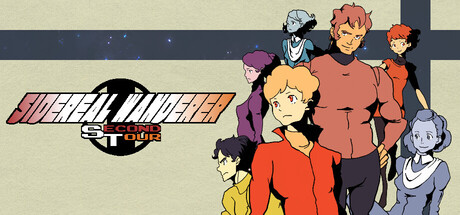
To master space warfare, the evolution of ‘Side Real Wanderer’ continues. On a battlefield formed from an 8x8 grid, annihilate hostile forces.
Modeled estimate, not a reported figure. How we estimate →
Media

About
This is an upgraded edition of Sidereal Wanderer, the spaceship simulation game originally released in 2024.
It retains the classic, highly randomized gameplay system of the original—offering high replayability with ever-changing scenarios—while adding new elements such as a richer narrative, character progression, and intuitive controls for a deeper experience.
As the captain of a newly commissioned starship deployed to a sector dominated by rebel forces, you’ll lead your crew in tactical battles against enemy ships and bases to restore peace across the stars.
- Navigate a retro-inspired universe divided into 8×8 quadrants and sectors, evoking the golden age of starship games
- Command a diverse crew with unique personalities, growth systems, and even one-on-one duels that shape your strategy
- Intuitive controls optimized for gamepads (also fully playable with keyboard-only or mouse-only setups)
- Dozens of characters appear as allies and adversaries across the cosmos
- Recruit, rotate, and develop your crew as they gain experience and evolve over time
- Unfold a rich narrative woven through the interactions and fates of your crew
- Compete for high scores based on speed and efficiency in clearing the game
- Unlock new character lore by meeting specific in-game conditions
Genres
Stats
All-time low is the lowest price we've recorded for this game since we started tracking it.
Languages: English, Japanese
Reviews
Sidereal Wanderer ST, developed by SPICE PRESS and published by Waku Waku Games, is a turn-based space strategy game that blends roguelike structure with tactical decision-making in a way that feels both deliberate and unpredictable. Built as an expanded and refined version of its original release, it leans into procedural design and system-driven gameplay, creating an experience where planning is essential but certainty is never guaranteed. The core of the game revolves around navigating a grid-based sector of space while commanding a single starship against a backdrop of hostile forces. Movement is not just a means of travel but a strategic layer in itself, as positioning determines how encounters unfold and what options are available during combat. Each turn requires careful consideration, whether you are advancing toward an objective, avoiding unnecessary risks, or setting up a more favorable engagement. This structure gives the game a measured pace, where progress feels earned through thoughtful decisions rather than quick reactions. Combat is where the game’s systems come together most clearly. Encounters are entirely turn-based, emphasizing planning, resource allocation, and understanding enemy behavior. Rather than overwhelming players with complexity, the game builds its depth through the interaction of its mechanics—weapon systems, positioning, and crew actions all contribute to the outcome of a battle. Success depends on anticipating threats and adapting to changing conditions, as no two encounters play out exactly the same. The lack of real-time pressure allows players to think through their decisions, but it also means that mistakes are often the result of misjudgment rather than inexperience. A significant part of the experience comes from managing your crew. Each member brings unique traits and potential growth paths, influencing how the ship operates both in and out of combat. Assigning roles effectively becomes a key part of long-term strategy, as the right combination of abilities can make a noticeable difference in performance. Over time, the crew develops alongside the player’s progress, adding a layer of investment that extends beyond the immediate challenges of each run. This system helps give the game a sense of continuity, even within its otherwise self-contained playthroughs. The roguelike structure plays a major role in shaping the overall experience. Each run introduces new configurations of events, encounters, and challenges, ensuring that repetition comes from familiarity with systems rather than identical scenarios. This unpredictability keeps the gameplay engaging, as players must constantly adapt their strategies rather than relying on a fixed approach. At the same time, it can lead to uneven difficulty, with some runs presenting more manageable conditions while others feel significantly more demanding. This variability is part of the design, but it may not appeal to players who prefer a more balanced progression. Visually, the game adopts a retro-inspired presentation that prioritizes clarity and functionality. The interface is clean and focused, ensuring that all necessary information is easily accessible during gameplay. While the visuals are not particularly elaborate, they align well with the game’s emphasis on mechanics, allowing players to concentrate on strategy without unnecessary distraction. The overall aesthetic reinforces the sense of a classic space simulation, even as the underlying systems reflect more modern design principles. Despite its strengths, Sidereal Wanderer ST can be difficult to approach. The game offers limited guidance, expecting players to learn its systems through experimentation and repeated attempts. This can make the early stages feel overwhelming, as understanding how different mechanics interact is crucial to success. Additionally, while the procedural nature of the game adds variety, the core loop remains consistent, which can lead to a sense of repetition over extended play sessions. In the end, Sidereal Wanderer ST is a thoughtful and system-driven strategy game that rewards patience and adaptability. It combines tactical combat, crew management, and procedural design into a cohesive experience that challenges players to think carefully about every decision. While its steep learning curve and reliance on repetition may limit its accessibility, it offers a satisfying depth for those willing to engage with its mechanics. Rating: 6/10
シューティングが無いスターラスター 一機の新型宇宙船で反乱軍を全滅させろ 宇宙船のエネルギー、ミサイル弾数、クルーのHP、装備の故障を管理して運用、敵を倒す 敵や味方基地の配置、仲間になるクルーやダメージの振れ幅など運要素は強め 【 ゲームプレイ 】 ・船長を選びスタート、船長は操船と砲撃とエンジニアにクルーを配置していないとき代わりに行える、オペレーターは不可 ・ランダムに設定されたマップのどこかに放りだされる ・ENがなくなると自機が破壊される、ENは移動でも減る ・船長とクルーは各役割の行動をとるとHPが1づつ減る、0になると船からいなくなる、船長は0になるとゲームオーバー ・ENやミサイルは味方基地に隣接して補給、同時にキャラのHPも回復、クルーの空きがあれば新しく雇える ・クルーの役割 操船 移動でHP消費 回避に影響 砲撃 ミサイルか粒子砲でHP消費 命中威力に影響 戦闘 のりこみの白兵戦の担当 白兵戦以外でHPは減らない オペレーター 索敵でHP消費 配置していると攻撃の命中率を表示 エンジニア 能力値で故障の修理速度アップ、HPは減らない ・1ターンに攻撃か移動、補給を1回しか行えない ・装備の故障がめちゃくちゃ頻繁に発生する、故障してても移動やミサイルは使える、自動修理 【 戦闘 】 ・自機か味方基地が撃破されるとゲームオーバー(イージー難易度だと自機のみ) ・自機はEN=HPで移動でも消費されるので注意 ・攻撃手段 主力砲撃の直線にしか撃てないミサイル EN消費で敵全員攻撃の粒子砲(威力はEN消費量で変動) 移動で同じマスまで行くと体当たり(両者小ダメージ) 隣接するマスに移動し1対1の白兵戦が行える乗り込み ・白兵戦、戦闘担当のクルーと敵船のクルーで殴り合い、1ターンに0~2のHPを減らし0にすれば敵船を撃破 ・敵基地が同じエリアでいると新しい敵を出撃させてくる、EN高めだが優先的に倒そう ・味方基地は同じエリアにないと攻撃されることはないので準備してから突撃しよう 【 まとめ 】 ・シミュレーションというよりボードゲームのような感覚 ・装備の故障はちょっと頻繁すぎる気がする
A perfect expanded and polished sequel of an already great and unique strategy game.
なつかしさ溢れる雰囲気がとても良い。 操作感も良好。 このスタイルのゲームは初めてだが、チュートリアル含めて30分ほど触っていると、概ね理解できた。
前作から格段に遊びやすくなっている!移動が直感的にできるようになっているのが相当大きい。 慣れるまでに少しコツがいるゲームではあるけど、遊び方がわかればそこまで難易度は高くないので 見た目や音楽が気になった方は是非!
This is like a game that comes on a bootleg flea market console... in a good way!
最初は何から手を付ければいいかわかりにくかったが、やりこむごとに攻略の糸口が見えてくるスルメゲーな感じで良かった。 ミサイルが尽きたら体当たりででも撃破したり、タイマンで敵将と殴り合ったり、色々な戦い方が楽しめる幅広さがある。 岩陰に隠れるので結構助けられた。
クリアまでプレイ、前作プレイ済み チュートリアルなど、プレイ中に自然に補足する部分に関してはそこまで親切ではないものの、きちんと読めば理解できる説明画面などが増えており 前作に比べ格段に親切になって遊びやすくなっている また、カラフルになりキャラクター設定や会話が増え、没入感が増している点に好感が持てる キャラクターの設定そのものが収集要素になっており、ちょっとクスっとできるテキストなどもあり、作業に寄りすぎず変化が楽しめた
前作から操作感が大幅に改善されていて遊びやすくなっている。 ベースになっているマイコンスタートレックは「懐かしい」を通り越した古典。とはいえ、今やっても結構おもしろいもんなんだということを再認識。 進め方としては、船のエネルギーやクルーの体力などリソース管理がポイント。そこだけ気にしていれば難易度は高くないと思う。
宇宙船のエネルギー、クルーの体力、ミサイル残数などのリソースを管理しながら敵ユニットを倒していくターン制のローグライクなストラテジー。 ランダム要素が強めで運任せなところがあるが、やり直し(同じエリアも入り直すことでリセットされるなど)が可能なゲームデザインになっており、難易度は高くない。 キャラクターデザインが40年前のロボットアニメっぽい。ここは好みによるところ。
Related
Related
Trends
Concurrent players on Steam, sampled daily since tracking started.
Momentum
Pace estimated from the game's recent review growth (our daily snapshots) at its own sales-per-review ratio — a momentum signal, not booked sales.
Related
| Sid Meier’s Civilization® VI | $580.3M | 376.5K | 86% | $59.99 |
| Hearts of Iron IV | $478.1M | 372.5K | 90% | $49.99 |
| 7 Days to Die | $425.3M | 403.5K | 87% | $44.99 |
| Mount & Blade II: Bannerlord | $309.8M | 293.9K | 88% | $49.99 |
| Stellaris | $277.8M | 196.1K | 86% | $49.99 |
| Arma 3 | $237.7M | 294.2K | 90% | $29.99 |
Related
| Walter Walnut | $3.4K | 50 | 94% | $2.99 |
| German Fortress 3D | $3.4K | 57 | 32% | $2.99 |
| Mighty Dungeons | $3.4K | 76 | 63% | $1.99 |
| Kitten Love Emulator | $3.4K | 57 | 89% | $1.99 |
| Casina: The Forgotten Comedy | $3.4K | 78 | 85% | $3.49 |
| Cions of Vega | $3.4K | 91 | 75% | $2.99 |