Modeled estimate, not a reported figure. How we estimate →
Prices
The United States storefront in every case, so this compares stores and not countries.
Discounts
Every price cut of more than 20% we have observed, in each market that quoted one, with this game's chart position on either side of it. These are episodes, not a model: a sale is one event, and one event cannot tell you what the next one will do.
Reviews, worldwide (the counter carries no country): 0/day in the week to Aug 25 → 0/day in the week after.
For scale, across Steam · Top Sellers · Brazil over the last 30 days: the 26 chart moves that followed a price cut of more than 20% went a median of 7 places towards #1, and the 2,400 moves with no price cut behind them went 2 away. One store, one chart, one country — it is the only place we have enough observations to say even that.
Prices outside the United States have been collected since 6 August 2026 and chart positions since 19 July 2026, so a cut older than that has no market to compare and a market that joined later has no history yet. Nothing here is converted between currencies.
About
Stats
Sums Steam only; Nintendo publishes no volume signal, so the true total is higher by an unknown amount.
| Store | Price | Audience | Score | Chart | Est. revenue |
|---|---|---|---|---|---|
SteamYou are here | $4.99 | 139reviews | 59% | — | $18.9K |
| $3.99 | — | — | — | not modelled |
Matched by title — a reused name can pair the wrong games. * is a critic aggregate. Prices and positions are each store's United States storefront; Epic charts worldwide. Audience and Score too, except Steam's, which is worldwide.
Engagement
Reviews
Themes across 42 recent reviews and how positive each mention is. A keyword signal, not full sentiment analysis.
Reviews
SUA HORA CHEGOU COMPRA LOGO QUE É BÃO ⠀⠀⠀⠀⠀⠀⠀⠀⠀⠀⠀⠀⠀⠀⢤⣶⣄⠀⠀⠀⠀⠀⠀⠀⠀⠀⠀⠀⠀⠀ ⠀⠀⠀⠀⠀⠀⠀⠀⠀⠀⠀⠀⣀⣤⡾⠿⢿⡀⠀⠀⠀⠀⣠⣶⣿⣷⠀⠀⠀⠀ ⠀⠀⠀⠀⠀⠀⠀⠀⢀⣴⣦⣴⣿⡋⠀⠀⠈⢳⡄⠀⢠⣾⣿⠁⠈⣿⡆⠀⠀⠀ ⠀⠀⠀⠀⠀⠀⠀⣰⣿⣿⠿⠛⠉⠉⠁⠀⠀⠀⠹⡄⣿⣿⣿⠀⠀⢹⡇⠀⠀⠀ ⠀⠀⠀⠀⠀⣠⣾⡿⠋⠁⠀⠀⠀⠀⠀⠀⠀⠀⣰⣏⢻⣿⣿⡆⠀⠸⣿⠀⠀⠀ ⠀⠀⠀⢀⣴⠟⠁⠀⠀⠀⠀⠀⠀⠀⠀⠀⢠⣾⣿⣿⣆⠹⣿⣷⠀⢘⣿⠀⠀⠀ ⠀⠀⢀⡾⠁⠀⠀⠀⠀⠀⠀⠀⠀⠀⠀⢰⣿⣿⠋⠉⠛⠂⠹⠿⣲⣿⣿⣧⠀⠀ ⠀⢠⠏⠀⠀⠀⠀⠀⠀⠀⠀⠀⠀⢀⣤⣿⣿⣿⣷⣾⣿⡇⢀⠀⣼⣿⣿⣿⣧⠀ ⠰⠃⠀⠀⠀⠀⠀⠀⠀⠀⠀⠀⢠⣾⣿⣿⣿⣿⣿⣿⣿⣿⣿⠀⡘⢿⣿⣿⣿⠀ ⠁⠀⠀⠀⠀⠀⠀⠀⠀⠀⠀⠀⠸⣿⣿⣿⣿⣿⣿⣿⣿⣿⣿⠀⣷⡈⠿⢿⣿⡆ ⠀⠀⠀⠀⠀⠀⠀⠀⠀⠀⠀⠀⠀⠙⠛⠁⢙⠛⣿⣿⣿⣿⡟⠀⡿⠀⠀⢀⣿⡇ ⠀⠀⠀⠀⠀⠀⠀⠀⠀⠀⠀⠀⠀⠀⠀⠀⠘⣶⣤⣉⣛⠻⠇⢠⣿⣾⣿⡄⢻⡇ ⠀⠀⠀⠀⠀⠀⠀⠀⠀⠀⠀⠀⠀⠀⠀⠀⠀⣿⣿⣿⣿⣦⣤⣾⣿⣿⣿⣿⣆⠁
Shut Eye is a small indie horror game that really leans into psychological tension rather than traditional scares, and when it works, it actually creates a pretty unsettling experience. You play as a young child left alone in a strange place, trying to survive the night while managing anxiety and keeping your “calm” under control. The main twist is that fear itself becomes part of the gameplay - as your anxiety rises, reality starts to distort and harmless things can suddenly feel threatening. That mechanic is honestly the strongest part of the game. It creates this constant uncertainty where you’re never fully sure if what you’re seeing is real or just the character’s imagination. It gives the whole experience a paranoid, uneasy tone that fits the concept really well. The problem is that the game doesn’t evolve much beyond that idea. Each night tends to follow a very similar structure, and once you understand how to manage anxiety and respond to threats, the tension starts to fade. Instead of growing into something deeper, it mostly repeats its core loop with minor variations. Still, there’s a certain charm in its simplicity. The minimalist visuals, quiet atmosphere, and restrained approach to horror make it feel more like an experimental psychological piece than a traditional horror game. The good: - Strong psychological horror concept - Anxiety mechanic adds real tension - Effective use of paranoia and uncertainty - Minimalist atmosphere works well - Some genuinely unsettling moments - Simple controls and easy to understand - Focused, short experience - Sound design helps build tension - Interesting idea of perception vs reality - Unique take on horror through a child’s perspective The bad: - Very repetitive structure - Limited gameplay variety - Tension fades once mechanics are understood - Not much long-term depth - Gameplay can feel simplistic - Some nights feel too similar - Lack of content beyond core loop - Not very replayable Overall, Shut Eye is an interesting but small-scale psychological horror game. It succeeds more as an atmosphere experiment than a full-featured game, but it still delivers a few memorable moments if you enjoy slow, anxiety-driven horror experiences.
Media

Related
Related
Price dynamics, follower growth, revenue and sales trajectories with interactive tooltips
This and every other Pro feature is free until October 20, 2026. A free account is all it takes.
All-time low is the lowest price we've recorded for this game since we started tracking it.
Languages: English**languages with full audio support
Hours played at review time, across 42 reviews with recorded playtime.
positive critical· bar length = how often the theme comes up
Shut Eye, developed by HUSH Interactive and published by Forever Entertainment S.A., is a psychological horror experience that trades traditional action and exploration for a more intimate, anxiety-driven gameplay loop. Instead of placing players in a sprawling haunted environment, the game confines its tension to a small, personal space and builds its identity around the fragile emotional state of a child left alone at night. The premise is simple but effective: you are not fighting monsters in the conventional sense—you are trying to survive the creeping manifestations of fear itself. The gameplay centers on enduring multiple nights while managing the young protagonist’s anxiety, which functions as the game’s most important mechanic. Fear is not just thematic here; it directly shapes the experience. As anxiety levels rise, the environment begins to distort, and harmless objects can transform into perceived threats. This creates a constant push-and-pull dynamic where players must remain vigilant, balancing awareness of their surroundings with the need to keep the character calm. It’s an interesting concept that ties emotional vulnerability to gameplay consequences, making every small mistake feel more significant than it otherwise would in a typical horror setting. However, while the core idea is compelling, the execution leans heavily on repetition. Each night follows a similar structure, with only minor variations to keep things from feeling entirely static. The lack of evolving mechanics or new systems means that once players understand how to manage anxiety and respond to threats, the experience begins to plateau. The tension is still present, especially in the early stages, but it gradually loses impact as patterns become familiar. This makes the game feel more like a short-form experiment than a fully developed horror experience. Visually, Shut Eye embraces minimalism, using simple environments and subdued lighting to reinforce its themes. The limited scope works in its favor when it comes to atmosphere, as the confined setting amplifies the sense of isolation and vulnerability. Darkness plays a crucial role, acting as both a visual and psychological threat, while light becomes a source of safety. Although the art direction effectively supports the game’s tone, the overall presentation lacks variety and polish, which can make the experience feel somewhat flat during extended play. Sound design is one of the more effective elements of the game. Rather than relying on loud, sudden scares, it builds tension through subtle audio cues and ambient noise. Small sounds—creaks, whispers, or shifts in the environment—serve as warnings that something may be wrong, encouraging players to stay alert. This restrained approach to horror aligns well with the game’s focus on psychological unease, though it may feel too understated for players who prefer more intense or dramatic scares. Narratively, the game takes an abstract approach, offering only glimpses into the protagonist’s situation rather than a clearly defined story. Themes of loneliness, fear, and the overwhelming nature of imagination are present, but they are not deeply explored. Instead, the game leaves much of its meaning open to interpretation, which can either enhance the experience or make it feel incomplete, depending on the player’s expectations. There is a sense that the concept has emotional depth, but it is never fully realized through storytelling. Ultimately, Shut Eye is a focused and somewhat experimental horror title that succeeds in capturing the feeling of childhood fear, even if it struggles to expand on that foundation. It delivers a consistent atmosphere and an interesting central mechanic, but its limited scope and repetitive structure prevent it from reaching its full potential. For players who enjoy short, concept-driven horror games, it can offer a brief but memorable experience. For others seeking depth, variety, or a more polished presentation, it may feel lacking. Rating: 5/10
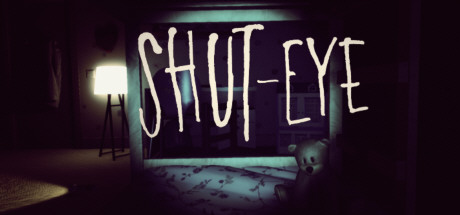
Плюшевый фнаф, весьма недурно
Controls are just awful. Can't make any progress in the game or even get a grasp of what's happening. Unplayable. Nice concept though.
💋
норм
Realmente é um bom jogo, valeu a pena ter gastado cada centavo.
Bu şekilde kart kasabileceğiniz oyunları arıyorsanız hesabımdaki incelemelere göz atabilirsiniz
OMG! What a waste of time!
Selling now
See how fast this game is selling right now — estimated copies and revenue per day from recent review growth.
Active players
Estimated daily and monthly active players (DAU/MAU) modeled from peak concurrency.
Players by region
Where this game's players are, estimated from review languages.
Related
| Game | Estimated lifetime revenue | Reviews | Review score | Price |
|---|---|---|---|---|
| $17.6M | 62.1K | 92% | $12.49 | |
| $15.3M | 20.2K | 78% | $24.99 | |
| $14.1M | 9.6K | 93% | $39.99 | |
| $12M | 82.5K | 82% | $7.99 | |
| $1.3M | 19.4K | 85% | $3.99 | |
| $7.1M | 49.5K | 89% | $9.99 |
Related
| Game | Estimated lifetime revenue | Reviews | Review score | Price |
|---|---|---|---|---|
| $18.9K | 214 | 90% | $3.99 | |
| $18.9K | 76 | 54% | $8.99 | |
| $18.9K | 50 | 30% | $9.99 | |
| $18.9K | 50 | 44% | $9.99 | |
| $18.9K | 152 | 84% | $6.99 | |
| $18.9K | 90 | 82% | $9.34 |