Seed 2313, developed and published by DaShanGames, is a genre-blending indie title that leans heavily into systems-driven design, combining roguelike progression, extraction-style gameplay, and base-building elements into a unified, if somewhat experimental, experience. Set in a distant future where Earth has been overtaken by a mysterious alien force known as the “Seed,” the game frames its action within a bleak survival narrative. Humanity is no longer in control, and the player steps into the role of a persistent survivor attempting to endure, adapt, and gradually push back against an environment that feels both hostile and indifferent. While the story remains mostly in the background, it provides enough context to give weight to the gameplay loop and the constant struggle for resources.
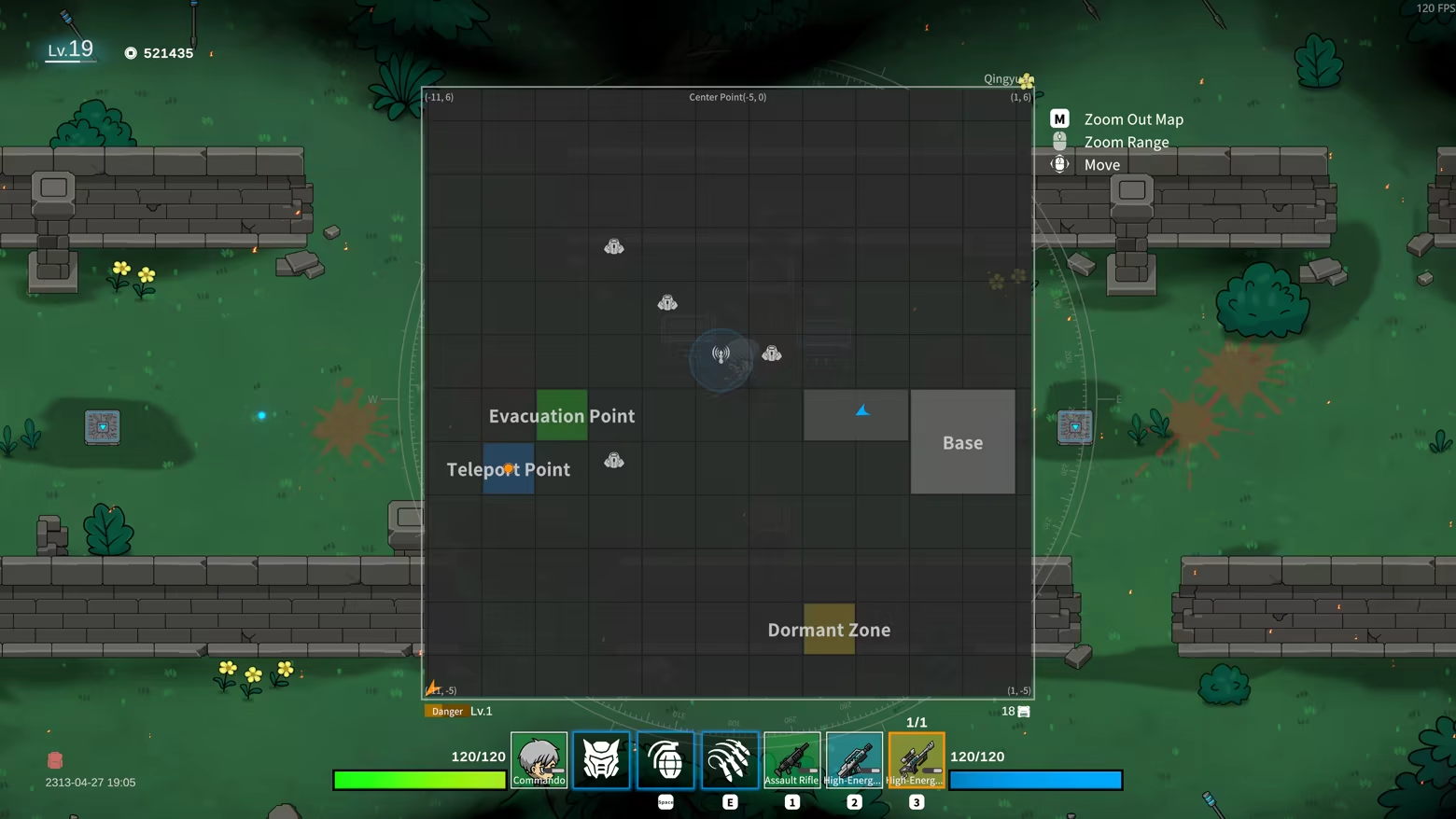
The central loop revolves around entering procedurally generated zones, scavenging for materials, fighting through waves of enemies, and making the critical decision of when to extract. This risk-versus-reward structure gives the game a steady tension that persists throughout each run. Staying longer in a zone increases the potential rewards, but it also escalates the danger, creating a constant push and pull between ambition and caution. Unlike more straightforward roguelikes that encourage players to survive for as long as possible, Seed 2313 places equal importance on knowing when to retreat. This dynamic adds a strategic layer that keeps each run engaging, even if the underlying objectives remain consistent.
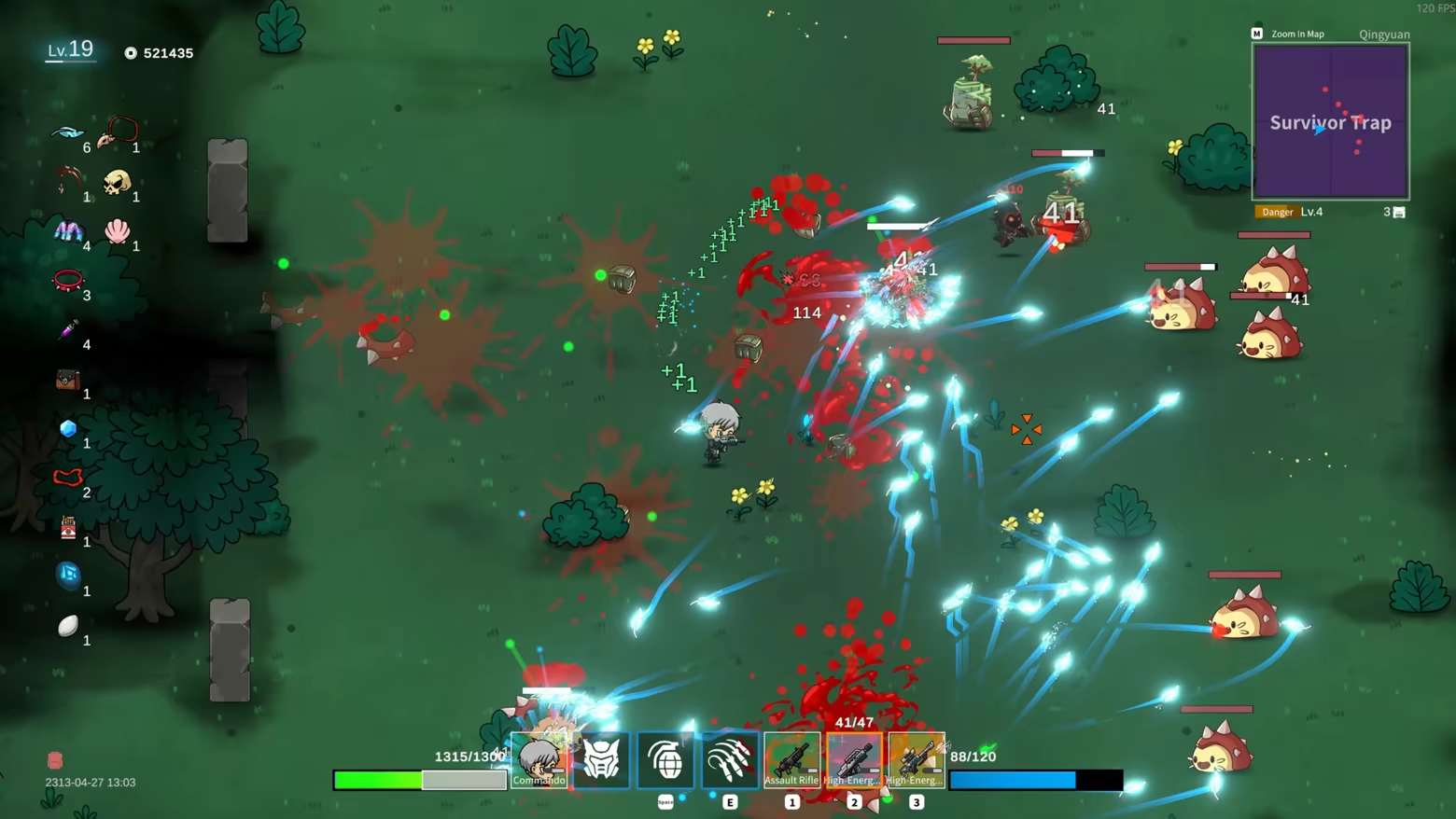
Combat is fast-paced and often chaotic, unfolding from a top-down perspective that emphasizes movement and situational awareness. Enemies appear in large numbers, frequently surrounding the player or forcing them into tight spaces where precise navigation becomes essential. As the intensity ramps up, encounters begin to resemble bullet-hell scenarios, with overlapping attack patterns that require quick reactions and careful positioning. The mechanics themselves are relatively accessible, but the increasing pressure ensures that mastery takes time. At its best, the combat feels tense and rewarding, though there are moments where enemy density or balance issues can make encounters feel overwhelming rather than challenging in a fair way.
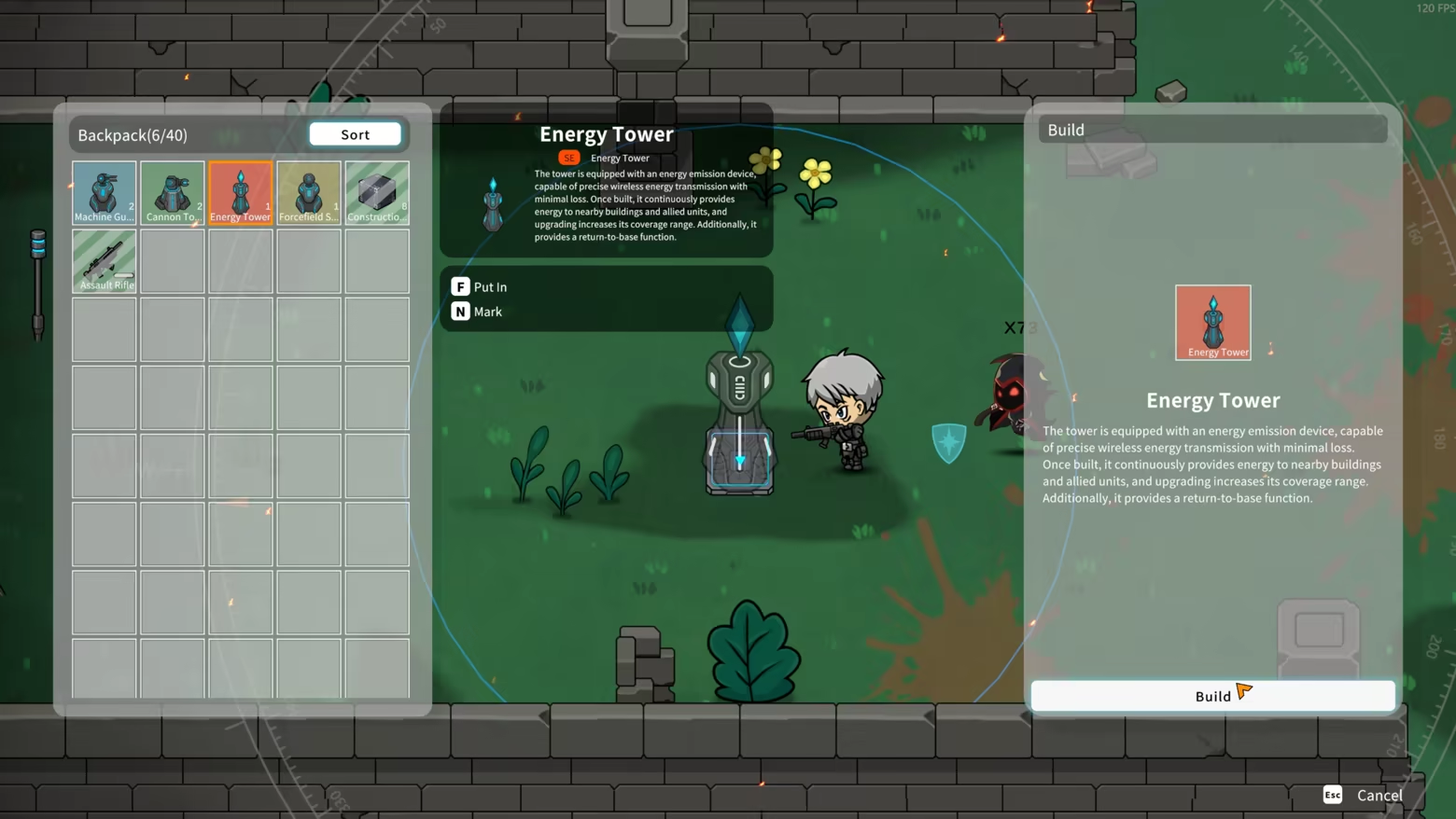
One of the more interesting aspects of Seed 2313 is its integration of building mechanics directly into the flow of combat. Players can construct various structures during runs, such as healing stations, energy generators, or defensive tools that provide support in the middle of battle. This system introduces a layer of strategy that goes beyond reflex-based gameplay, allowing players to shape the battlefield to their advantage. Thoughtful placement of structures can significantly alter the outcome of encounters, offering moments where preparation and planning pay off in meaningful ways. It’s a feature that sets the game apart from more conventional entries in the genre, even if its implementation occasionally feels underdeveloped.
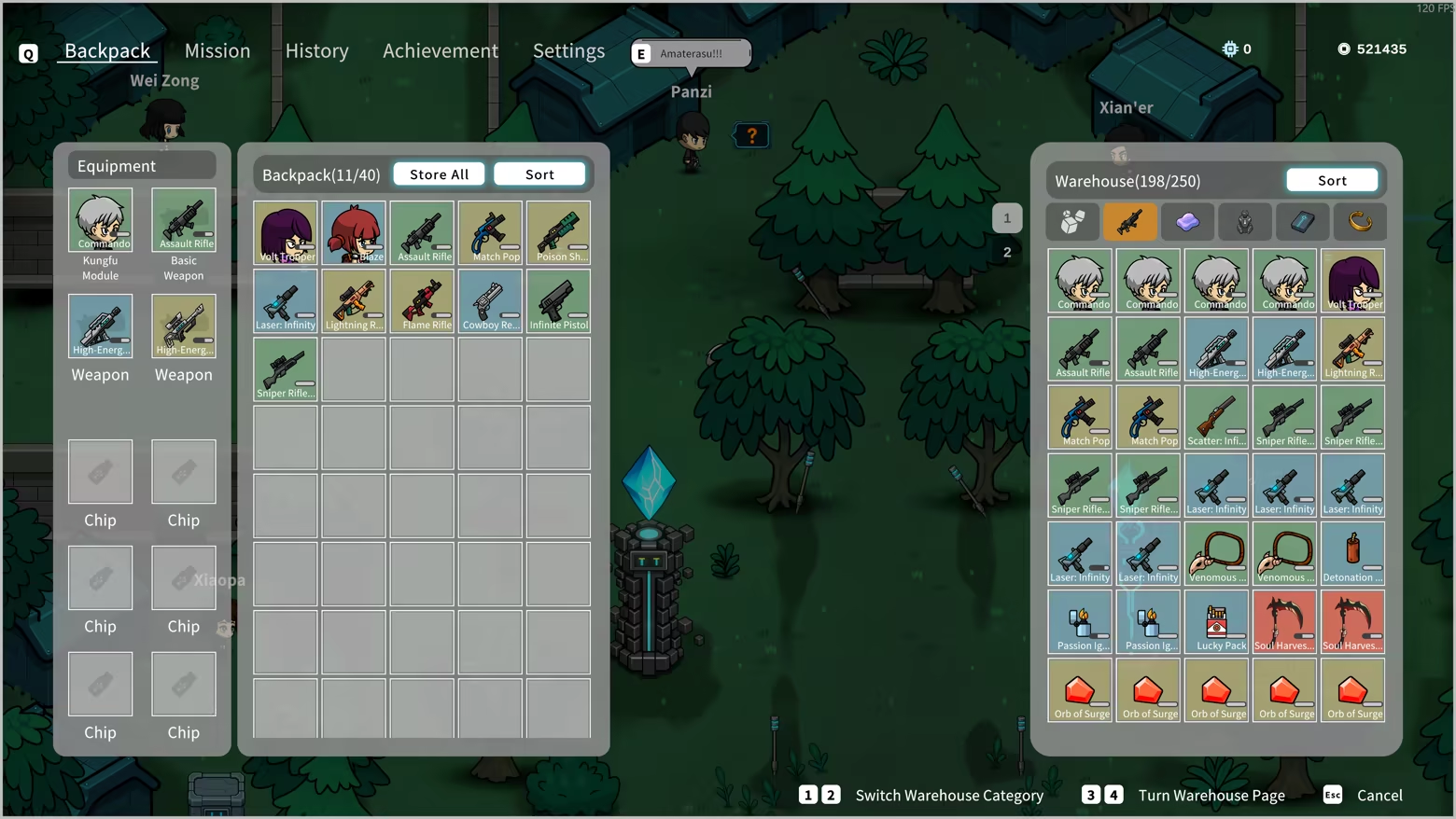
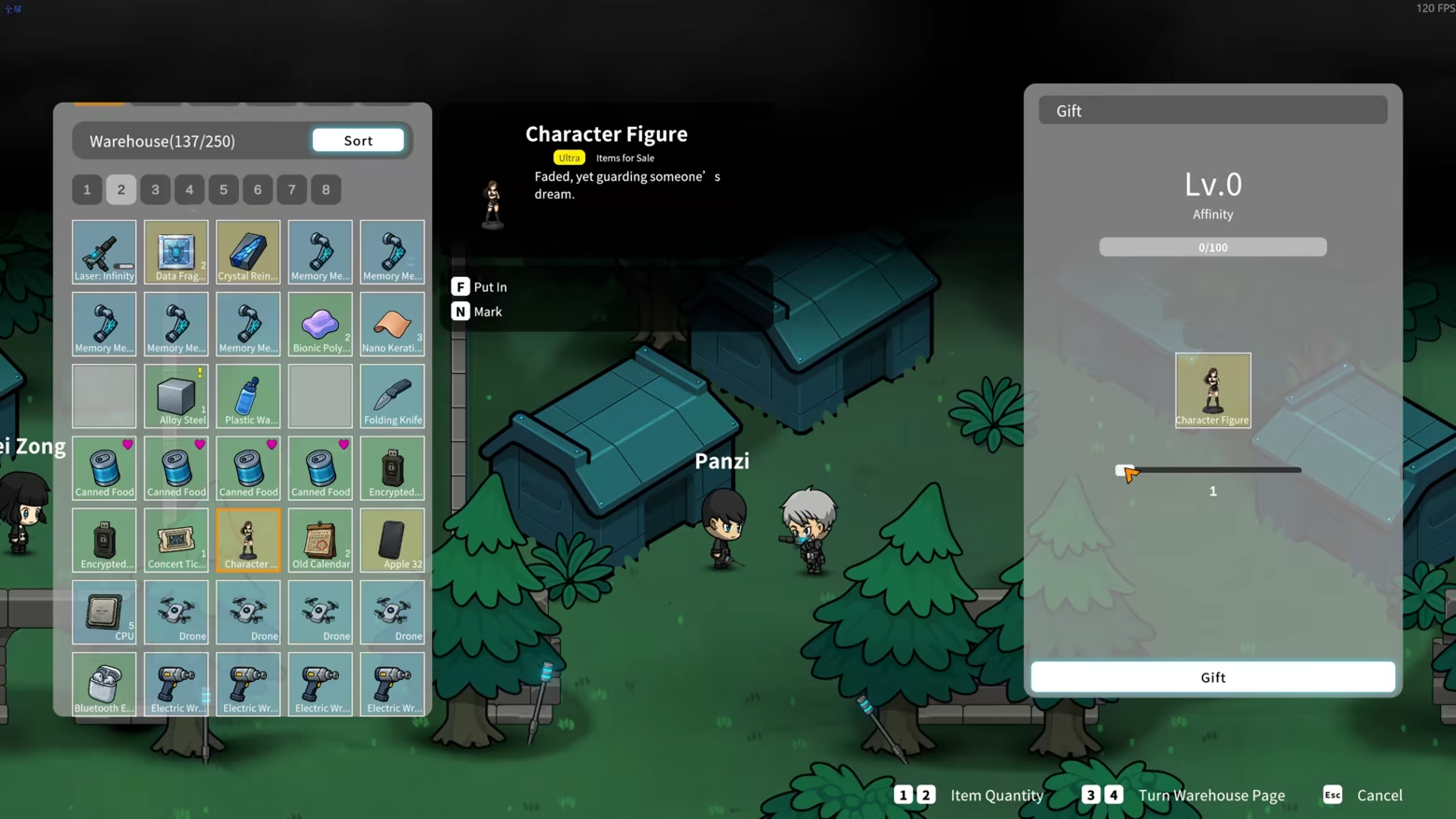
Progression extends beyond individual runs through a combination of equipment, crafting, and interaction systems. Weapons and gear can be collected, upgraded, and customized to suit different playstyles, while pre-run buffs allow players to influence their approach before entering a zone. There is also a light social element tied to NPC interactions, where building relationships can unlock better trading options or additional benefits. These systems add depth and give players a sense of long-term growth, though they can also feel somewhat fragmented, as not all mechanics are explained clearly or integrated seamlessly into the overall experience.
The procedurally generated environments contribute to replayability but come with trade-offs. While the ever-changing layouts ensure that no two runs are identical, they also lack the distinctiveness of handcrafted levels. The world often feels more like a functional space for gameplay rather than a memorable setting with a strong identity. Visually, the game adopts a subdued, post-apocalyptic style that prioritizes clarity over spectacle. Character models, effects, and environments are serviceable and readable during combat, but they rarely stand out in a way that leaves a lasting impression. Some elements, including UI components, can feel inconsistent, hinting at the use of varied asset sources.
As a relatively small-scale indie project, Seed 2313 shows both ambition and rough edges. There are moments where its ideas come together effectively, creating a satisfying loop of exploration, combat, and progression. At the same time, issues with balance, pacing, and overall polish can occasionally disrupt the experience. The game doesn’t always provide the level of refinement needed to fully support its more complex systems, which may leave some players feeling that its potential hasn’t been fully realized.
Despite these shortcomings, Seed 2313 manages to carve out a distinct identity through its willingness to experiment. It’s not content to simply replicate existing formulas, instead attempting to merge multiple gameplay styles into something that feels fresh, even if imperfect. For players who enjoy tinkering with builds, managing risk, and adapting to unpredictable scenarios, it offers a compelling experience with enough depth to justify repeated playthroughs. However, those looking for a highly polished or narratively driven game may find it harder to stay invested.
In the end, Seed 2313 is a promising but uneven title that succeeds in delivering a unique blend of mechanics while falling short in execution and refinement. It’s a game defined as much by its ambition as by its limitations, offering moments of genuine engagement alongside areas that clearly need further development. For the right audience, it can be a rewarding and intriguing experience, even if it doesn’t fully reach its potential.
Rating: 7/10