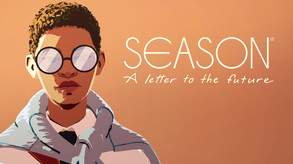
Leave home for the first time to collect memories before a mysterious cataclysm washes everything away. Ride, record, meet people, and unravel the strange world around you in this third-person meditative exploration game.
Modeled estimate, not a reported figure. How we estimate →
Media

About
Genres
Stats
All-time low is the lowest price we've recorded for this game since we started tracking it.
Languages: English*, French*, German, Spanish - Spain, Japanese*, Portuguese - Brazil, Simplified Chinese, Traditional Chinese*languages with full audio support
Engagement
Hours played at review time, across 46 reviews with recorded playtime.
Reviews
Themes across 46 recent reviews and how positive each mention is. A keyword signal, not full sentiment analysis.
positive critical· bar length = how often the theme comes up
Reviews
I can't believe this is not talked about more! This game is one of the most beautiful, tender, and quietly devastating experiences I’ve ever had with a story. It is not a game that rushes you. It asks you to slow down, look closely, listen carefully, and really sit with the world before it changes forever. You ride through gorgeous landscapes, meet people carrying their own histories, and document a world that feels both unfamiliar and painfully recognizable. The writing is poetic without feeling pretentious. The visuals are genuinely stunning. I mean it when I say this is one of the most beautiful games I have ever seen. But what stayed with me most was the emotional depth. Season touches on memory, religion, mental health, war, immigration, culture, government assistance, grief, and the strange helplessness of living through a world shaped by forces much bigger than you. It does all of that gently, without turning its characters into lessons. There is also something deeply powerful about seeing different kinds of people simply exist in this world. The MC is literally ME (hair, clothing style, even the voice is similar to mine) and that made it even easier to fully sink into the experience. This is a game for people who like atmosphere, reflection, and stories that trust you to feel things without spelling everything out. It’s meditative, emotional, thoughtful, and criminally underrated. If you love games that feel like art, like memory, like a letter someone left behind so the world would not disappear completely, PLEASE PLAY THIS GAME!!!
[h1]《SEASON:寄梦远方》鉴赏:将自己与一切地方、一切人事物纠缠在一起[/h1] [h2]它可能是我玩过最能代表“旅行”的游戏[/h2] 我感觉这个游戏真的是目前我玩过的游戏里,最能代表旅行这个概念的游戏。其实很多电子游戏都是一段旅程,这没错,但如果你真的要把旅行这件事情极致浪漫化地表达出来,我反而觉得,在几乎所有相关题材的文化艺术作品里,它可能是表达得最精准的一个。尤其是那句话:“将你自己与一切地方、一切人事物纠缠在一起。” 很多人了解这个游戏,可能和我一样,都是因为它的手账玩法。这也是这个游戏最大的特点。它和别的所谓行走模拟、叙事导向互动游戏最大的区别就在于,它拥有一个可以完全自由设计排版、自由旋转缩放、自由拍照并贴上去的手账系统。 而另一方面,当游戏进行到中后期以后,当记忆这个东西不再稳定的时候,这套系统又有了另一层意义。 这个游戏的世界观很有意思,它是一个完全原创的世界观。一开始刚接触的时候,你会倾向于觉得这是一个奇幻世界,或者是一个末世废土世界,一个建立在现实世界之后的新世界,但实际上完全不是。它的整个世界观设计是一种非常高概念的东西。在这个世界里,记忆是一种高度不稳定的存在。各种病症、各种情况都会导致记忆丧失、记忆过载,以及各种与记忆有关的问题。所以记忆在这个世界里,是一种格外脆弱的东西。 所以在这种情况下,这个手账本的意义甚至比我们现实世界还要大。它把这件事情浪漫化了。往往我们如何在文艺作品里把一件事情浪漫化?常见的做法就是把和这件事情相关的东西,或者它的基础,把它极端化、不稳定化。 那么我作为一个实际上会做手账的人,我当然记忆功能是健全的,我们的世界里面记忆也没有这么不稳定。当然我们世界里也有阿尔茨海默症,也有各种各样导致记忆缺失的情况,但它们没有像这个游戏里这么高度危险且常见。 不过话说回来,它作为这么一个世界观,其实最终想表达的就是这套被浪漫化的理念。你把它坍缩到现实里,其实会发现它还是成立的。作为一个记忆功能健全的人,依然会忘掉很多事情。你每天会忘掉那么多事情,何不忘掉这一件。 可能另一种说法就是,十八岁是人生的中点。之所以这么说,就是因为在长大以后,你缺乏外界刺激,每天日复一日的生活,会让你下意识地不去记住那些重复的瞬间。在这种情况下,你就会忘掉很多东西。 即使我们出去旅行的时候,你也不会事事都记住。换句话说,就算你记住了,你也没有索引的东西,你没有机会去想起来。手账、摄影、Vlog这些东西,其实本质上是一样的,就是记录这些瞬间。 那为什么要记下来? 可能有时候我们会想,比如你出去玩,你拍照或者录Vlog,一直举着相机,或者你做手账,你会不会没法完全沉浸、享受当下? 是。 但是换句话来说,它们其实是在保存你对于当下这个时间点的一种锚点和索引器。 如果你没有这个索引,你就永远找不到这个文件。 就好比这些文件。你的记忆都存在电脑的硬盘里,但如果不做索引,系统是无法进行搜索的。其实你拍照也好,录Vlog也好,做手账也好,这些东西都是在建立这个索引。 所以当我刚通关这个游戏的时候,我就拿起手边的手账本,随便翻开一页。那一页是横滨的一页。上面贴着横滨展望台的入场券,贴着2024.12.10在横滨中华街吃饭时留下的收据,还有从当地免费旅游指南上剪下来的夜景图片。 这种东西,会让你突然患上一种游戏里的病。 白日幻想。 游戏里有很多高概念的记忆相关病症,什么时间察觉失调症,什么白日幻想,但其实很多东西在现实里都是存在的,只不过被它换了一种表达方式。 如果大家打过游戏里的白日幻想热线,就会知道它把白日幻想描述成一种状态:你看着一个普通的事物,突然之间穿越了过去、现在和未来,失去了对时间的感知,离开现实,进入一种幻觉之中。 其实这种感觉是存在的。 当我看到那张横滨夜景的时候,记忆会开始自动检索。然后检索到那个时间、那个地点。你仿佛突然之间又能感受到那天晚上的温度,风吹过身体时的触觉,那顿晚饭的味道。 就像游戏里的记忆吊环一样。 五个知觉储存在一个容器里。 这些东西其实都是有关联的。 [h2]旅行、收集故事与创造故事[/h2] 尤其是最后那一段,当然这里会有一点剧透,但我还是建议大家自己去玩。反正这个游戏大概十个小时左右,其实并不长。最后当失忆真正发生的时候,你就会看到这个手账本的作用,看到那些照片的作用。它是一个有非常多东西可以展开来说的游戏。甚至到现在,我都不觉得自己已经真正讲清楚了它的本质。恰恰相反,我觉得它几乎就是建立在发散这件事情上的。对于我个人来说,我现在的第一爱好其实是旅行。换句话说,这两个词代表的意义,可能对每个人都不一样。但对我来说,一直以来其实就是因为我认为人生的意义有两件事情:一个叫收集故事,一个叫创造故事。而旅行仿佛就是最接近这个目标的状态。因为旅行本身就是在收集故事,也是在创造故事。它摆脱了那种日复一日、让五官逐渐麻木、逐渐失去记忆的日常。它让你重新回到一个所有感官都被调动起来的状态。每天都会接触新的地方、新的人、新的事物。一路上的风土人情,一路上的经历,本质上都在收集故事。而与此同时,你又会把自己的记忆留在这些地方,于是又在创造故事。所以我一直说,我的第一爱好其实并不是游戏,而是旅行。而这也是为什么我会对这个游戏评价这么高。甚至我可以用一句话来概括我对它的评价:如果有一天我有能力制作一款游戏,或者有能力领导一款游戏的开发,我想做这样的游戏。我觉得这可能已经是我能给出最高级别的评价了。因为仔细想想,我以前从来没有这样评价过任何一个游戏。有很多我喜欢的游戏,有很多我玩了几百小时甚至上千小时的游戏,但我从来没有觉得,如果有一天让我自己做游戏,我会想做那样的游戏。而《SEASON:寄梦远方》是第一个让我产生这种想法的游戏。玩的时候我甚至会有一种感觉:这些开发者是不是会读心术?因为他们仿佛把我最有热情的东西,把我最在意的东西,把那些我觉得和人生意义有关的东西,直接做成了一款游戏。 如果回到游戏本身去讲,它其实可以被理解成一个骑自行车的行走模拟器。从品类上来说,它和《看火人》《艾迪芬奇的记忆》以及很多叙事导向互动游戏有相似之处。大部分时间里,你都是在探索、骑车、观察环境、和各种东西互动。它有一些互动小说式的桥段,有一些选择,但总体来说,它依然属于比较安静、比较慢节奏的体验。但它最有意思的地方,就是手账这个载体。以前很多游戏里也会有日记本,《艾迪芬奇的记忆》有族谱,很多RPG里也有日志系统,这些东西并不少见,但它们往往都是固定的,你只能阅读,不能参与。而《SEASON:寄梦远方》的手账本甚至不是模块化的,它几乎是一个完全自由记录的空间。当然,它还没有做到让你自由输入文字。它的文字内容依然来自于游戏发现的线索,发现了什么,就会解锁对应内容,没有发现,就不会出现。但即便如此,它依然给予了玩家极大的自由度。所以它并不是一个线性地把整本手账填满的游戏。很多内容取决于你是否探索、是否发现、是否愿意主动去接触那些东西。从这个角度来说,它反而让我想到《星际拓荒》。当然它不是一个解谜游戏,但它们有一个共同点:都非常依赖玩家自己的主观能动性。游戏会给你一些最基础的信息,会告诉你最基本的方向,但很多东西要不要继续追查、要不要继续探索,其实完全取决于玩家自己。而这一点,也让我觉得它特别像旅行。 [h2]自由探索、国家公园与真正的旅行感[/h2] 而且整个游戏的游玩架构也非常像旅行。它一开始比较线性,结尾也比较线性,但中间是一整块开放区域。所以很多时候我玩它的时候,会觉得自己不像是在推进剧情,更像是在某个国家公园里自由旅行。它那个地图本身就特别像国家公园,有小聚落、有营地、有加油站、有自然景观,你会不断骑着自行车穿梭在这些地方之间。所以整个探索过程给人的感觉非常像自由行。我们平时旅行的时候,往往会提前规划几个必去的地方,设计一个大概路线,但真正开始旅行以后,其实很多时间都是没有明确目的的。你只是顺着一条路走下去,看见什么就停下来,看见什么就去探索。而《SEASON:寄梦远方》给我的感觉就是这样。它当然有一个主线,也有一个最终目标,但除此之外,大量内容都建立在玩家自己的好奇心之上。你发现了一个电话亭,可以打电话;你发现了一条支路,可以骑过去看看;你发现了一个人,可以坐下来听他说话。这些事情很多都不是强制的,但你会忍不住去做。因为你会想知道那里有什么,会想知道那个人经历过什么,会想知道那个地方曾经发生过什么。而这种感觉其实和旅行非常接近。很多时候旅行真正有趣的部分并不是景点本身,而是那些计划之外的东西,是路上偶然看到的一家店,是一个你原本根本没打算去的地方,是一个突然和你聊天的人,是那些不在攻略里的东西。我觉得这个游戏最厉害的地方之一,就是它把这种感觉做出来了。 它对于喜欢收集实体纪念品的人来说也特别有吸引力。除了手账以外,如果你喜欢拍立得、喜欢邮票、喜欢集章、喜欢贴纸,那么你会很容易喜欢这个游戏。因为这些东西本来就和手账是相辅相成的。我前段时间第一次在英国认真玩拍立得,买了四十张相纸,一路拍下来虽然有不少废片,但过程特别有意思。对于我们这种从小生活在数码时代的人来说,很多东西都是无限的。照片可以无限拍,拍坏了删掉重来,储存空间越来越大,复制几乎没有成本。但恰恰因为如此,有时候反而会缺少一种珍惜的感觉。而实体照片不一样,你按下快门的那一刻就已经决定了结果。正因为它有限,所以会变得珍贵。我觉得《SEASON:寄梦远方》在某种程度上也抓住了这种感觉。它不断鼓励你去记录,去收集,去保存那些看似不起眼的东西。那些门票、贴纸、录音、照片、明信片,在别人看来可能毫无意义,但对于经历过那段旅程的人来说,它们却能够重新打开整段记忆。所以当我玩这个游戏的时候,会不断联想到自己旅行时留下来的各种东西。那些收据、车票、地图、拍立得、盖章本,它们的价值从来都不在于纸张本身,而在于它们能够把你重新带回那个时间点。 [h2]手账、UGC与游戏行业未来的方向[/h2] 玩到后面的时候,我一直在想一个问题。现在很多游戏都有照片模式,而且已经越来越普及了。以前只有少数游戏会做这种功能,但现在反而变成没有照片模式的游戏才比较少见。可是在照片模式越来越成熟以后,一个新的问题也出现了:它还能不能再进一步?以前我觉得比较好的答案是《辐射76》《星空》或者《模拟人生》那种做法。《辐射76》和《星空》会把你拍下来的照片变成加载画面,所以这些照片在游戏过程中是有存在感的,它们会不断提醒你曾经经历过什么。而《模拟人生》则允许你把照片真正放进世界里,让它成为这个世界的一部分。但玩到《SEASON:寄梦远方》以后,我觉得它提供了另一种答案。 因为它的手账系统本质上是一种更进一步的UGC。照片模式只是拍照,而这里你不仅可以拍照,还可以排版、组合、记录、设计。你会开始思考哪些东西值得留下来,哪些东西应该放在一起,哪些内容应该成为同一页的一部分。最后这些手账页面并不是开发者预先做好的内容,而是玩家自己创造出来的东西。我最后甚至把很多自己设计的页面全部截图保存下来。因为我发现这些东西已经不仅仅是在记录游戏,而是在记录我自己玩这个游戏时的经历。以前我会上传很多截图,但后来慢慢发现,真正珍贵的往往不是那些所有玩家都能看到的画面,而是那些只属于自己的东西。别人也许能拍到同一个场景,但拍不到你当时为什么拍它,拍不到你为什么把它放在那里,拍不到你在那一页里记录下来的东西。而《SEASON:寄梦远方》的手账恰恰拥有这种独特性。即使两个人玩的是同一个游戏,最后留下来的手账也不会一样。因为探索的内容不同,记录的重点不同,排版方式不同,最终呈现出来的结果也会完全不同。 所以我会觉得这个系统特别有意思。它不只是一个噱头,也不只是一个特色玩法,而是真的提供了一种值得思考的方向。照片模式是一种UGC,而手账系统则把这种UGC进一步扩展成了记录、整理和创作。很多时候你甚至会觉得,自己不是在填写一本开发者给你的笔记本,而是在制作一本真正属于自己的旅行手账。而这种体验,恰恰也是整个游戏最独特的地方之一。 [h2]世界终末之旅、孤独与连接[/h2] 除了旅行和记录之外,这个游戏还有一个特别打动我的地方,就是它整体的氛围和基调。它是一个非常舒缓、非常慢节奏的游戏,慢到很多时候你甚至会忘记自己是在玩一个有明确主线的作品。但很奇怪的是,这十一二个小时却过得特别快。快通关之前,我一直以为自己大概玩了五个小时左右,觉得游戏可能才进行到一半。结果打开统计一看,已经十个小时过去了,成就也基本快解锁完了。当时我的第一反应甚至不是终于要结束了,而是:怎么就没了?因为整个游戏从头到尾都给你一种旅程刚刚开始的感觉。它的开场采用了倒叙结构,所以你会下意识以为后面还有很长的路要走,以为主角会继续向世界尽头前进。但实际上游戏讲述的只是其中的一段旅程。当它结束的时候,你会产生一种非常强烈的意犹未尽感。 当然,这也是我对游戏少数几个遗憾之一。它确实有点短。说实话,我已经很多年没有因为一款游戏太短而感到遗憾了。现在游戏实在太多,我甚至越来越倾向于觉得游戏短一点反而是好事。但《SEASON:寄梦远方》是少数让我真正产生“还没玩够”这种感觉的作品。因为它塑造出来的那个世界,那个旅行状态,那个不断收集和记录的过程,实在太适合继续展开下去了。所以如果未来有续作,我一定会非常期待。 而真正让我记住它的,其实还是最后那段经历。整个游戏从头到尾都弥漫着一种淡淡的忧伤。毕竟它本来讲述的就是一场终末之前的旅行。一路上遇到的人、遇到的地方、听到的故事,都带着一种不得不告别过去的气息。很多人都在被迫离开自己熟悉的生活,离开曾经的世界,进入一个未知的未来。所以无论是音乐、对白还是环境氛围,始终都带着一种惆怅感。 而到了最后,当两个来自完全不同地方的人交换彼此的记录时,那种感觉尤其强烈。不同的文化、不同的语言、不同的成长背景,甚至很多记忆都已经开始消失,但最后依然能够通过那些留下来的记录重新建立联系。那种感觉让我想到以前玩《死亡搁浅》时的一些体验。虽然两款游戏完全不同,但它们都让我想到同一个词:连接。人在很多时候其实是孤独的,但那些记录、那些故事、那些经历过的事情,会成为人与人之间重新建立联系的媒介。而《SEASON:寄梦远方》最后那段内容,恰恰把这种感觉表现得特别动人。 [h2]优点、遗憾与总结[/h2] 作为一款独立游戏,它当然也有一些不足。最明显的问题还是打磨程度不够精细。有时候镜头操作会有点奇怪,手柄体验偶尔也会出问题,日志翻页有时会连续翻过去,个别排版内容在重新进入游戏以后甚至会出现位置错乱的情况。这些问题会让你很明显意识到,这不是一款拥有巨大预算和庞大团队的作品,而是一款规模相对有限的独立游戏。不过这些问题基本都停留在体验层面的小瑕疵上,并不会真正影响整个游戏的核心内容。 而另一方面,它的美术风格又恰恰是我特别喜欢的类型,莫比斯风格。而且它结合了大量插画风格和真实影像素材,形成了一种非常独特的视觉质感。整个游戏看起来安静、平和、舒适,和它所表达的主题高度统一。很多时候你只是骑着自行车在山谷里慢慢前进,看着远处的风景,就已经能够获得一种非常放松的体验。 所以如果要让我总结《SEASON:寄梦远方》,我大概还是会回到最开始那句话:将自己与一切地方、一切人事物纠缠在一起。 因为对于我来说,这句话几乎可以被直接翻译成旅行本身。 旅行并不只是景点打卡,不只是完成攻略,不只是拍下一张别人已经拍过无数次的照片。真正让我喜欢旅行的,是去体验当地人的生活,去观察一个地方真实的样子,去收集那些只属于自己的故事。它可能是一张门票、一张收据、一段录音、一张拍立得,也可能只是某一天晚上的风、温度或者气味。而这些东西最终都会成为记忆的索引,成为未来某一天重新打开那段经历的钥匙。 也正因为如此,《SEASON:寄梦远方》会让我如此喜欢。
I am writing a positive review, but I am more neutral to it. So much of it felt like what I'm doing should matter, should mean SOMETHING, but by the end I just didn't feel like that was the case. However well I worked on my journal, whatever notes I deemed worth writing down or what was left out just... didn't feel like it really mattered in the end. Its lovely, there's a nice quiet time to be had and you can have your OWN fun thinking about the ideas presented and acting like the notes mean anything at all... but they just don't and that just... feels bad.
Note: I started the game on Steam Deck, but I soon realized it ran much smoother on my PS5, so I switched over and completed it there - it took me 8 hours. This is a walking-simulator-ish game with nonlinear exploration and a scrapbook mechanic. You are Estelle (I am wondering if the protagonist was named after Octavia Estelle Butler), a young Black woman from a relatively isolated town on top of a mountain, traveling the world on a bicycle to make notes to be deposited in an archive. It felt like the game was intended to be episodic, with each episode focusing on a location that Estelle tries to understand, but there is only one location, a valley that will soon be flooded. I know the game sold below expectations and the studio also imploded due to multiple harassment claims against the art director in particular, so that probably explains why there have been no more episodes. (I only found out about what had happened after playing, but it is really mindboggling: in addition to sexually harassing women employees, he apparently also said completely bizarre things like how the protagonist should not play the guitar because it is too complex for a woman to play guitar. Wtf?!) It is really sad / infuriating that this happened, because there is so much cool stuff in here and the episodic format could have worked so well. The whole concept reminds me of Kino no tabi, in a good way (both the anime and the light novels - I read the first few volumes in German and was really sad when the publisher went out of business). The scrapbooking is also surprisingly awesome, often when there is some kind of "decorate this thing!" element of gameplay, I really just do the minimum required, but here I actually did want the coolest photos and sketches and everything in my scrapbook (you can even have sound clips). Estelle is an accomplished artist and her sketches are great! The scrapbook controls themselves are very good too. I wanted more scrapbooking after I finished, so I played another game with a substantial scrapbooking element, and it was really underwhelming after Season. Discovering the valley is great, and the story of the valley and its people that unfolds is cool and has some unusual elements that I seldom see in games, especially about governance. There is no fighting and you cannot take damage. Time passes at some points, but you decide when you want to finish exploring and move on from the valley. I can't ride a bike due to disability reasons, so I can't compare the bike riding to a real bike, but the controls felt surprisingly tactile and I enjoyed the riding aspects of the game too. The game also looks gorgeous - I really recommend playing on something stronger than a Deck though :( it says Verified, but I had framedrops and slowdowns even with low graphics settings. However (and I had no idea about the controversy involving the art director), I thought the art direction was a bit lacking in that sometimes the game has visual details from specific cultures but kind of pasted on without context, especially in the beginning in Estelle's town. This is a bit weird because you can tell that especially later in the valley, there was a lot of thought given to the culture of the valley, and even in Estelle's town there was a lot of unique worldbuilding present in concepts and narration, so these extraneous visual details stuck out to me. The game is voice acted and I loved the acting. Maureen Adelson as Estelle was especially great and apparently she also voices her in the French version too! Overall I really liked this game and wished there was more, but after finding out why there wasn't more, I guess that's probably for the better because I don't want anyone to be mistreated by their bosses. I already discussed the technical aspects above, so now it's time for my usual question: is this a metroidbrainia? It's not! But it has nonlinear exploration and discovery of an area and what happened / is happening there, so it might appeal to metroidbrainia players looking for a laid-back experience with no particular puzzles, but still a sense of discovery. ___ Source of the game: I bought the PC version (I think it was in a Humble Narrative Bundle) and the Playstation version was in my PS Plus subscription.

Ce jeu était tellement magnifique à tous les niveaux. Une véritable claque émotionnelle, je suis restée retournée un moment après l'avoir terminé. Une belle histoire sur le temps qui passe, la peur de l'avenir et de ses incertitudes, les rencontres qui nous forgent, et les souvenirs qui forment la personne que l'on est. La politique et la religion sont abordés avec douceur et pertinence, pas pour déterminer leur intérêt, pas pour juger, simplement pour constater l'impact qu'elles ont sur les vies et les époques. Un jeu à choix où aucun choix n'est bon ou mauvais, seulement le tien, le reflet de ta perception et de ta sensibilité.
A beautiful game I still think about 3 years after playing it.
[spoiler] 妈妈,我忘记了我的名字。 [/spoiler] 喜欢旅游,喜欢拍照,喜欢记录事情,做手账,对人物故事,世界观感兴趣,不排斥慢节奏,对(理想化的)乡野社会学感兴趣的都可以来试试。
Years later, and I still think about this game, ruminate on this game. If you play, take your time. When you finish, take your time. And when you re-enter the world, let the game influence you to take your time and appreciate it all.
It is a good insight on how we expierence our surroundings. How these people of a town share the same view but expierence it in there own way. Most memories forgotten or lost in an item for you to find and note in a sketchbook.
A truly unique and haunting experience - if you enjoy a story-driven game that gently unfolds as you move through it (all at your own pace) with no danger at all, but just feeling a sense of wonder as you go, then you'll certainly enjoy SEASON. Beyond that, it's rather hard to describe: far better you just play it through and see for yourself. Profound and enigmatic, both familiar yet alien at the same time, the world of SEASON really hooks you in - I've never played a scrapbooking game before, but I found myself wanting to document the world I travelled through; to find out what was going on. For me, it felt like the sense of resolution, closure and understanding only finally revealed itself quite literally in the very last few seconds of the game - beautifully done.
Related
Related
Trends
Modeled estimate over time, reconstructed from Steam's monthly review histogram.
Audience
Estimated from the language of this game's reviews — a proxy for where players are, not official Steam demographics.
Related
| Steel Armor: Blaze of War | $376.2K | 352 | 84% | $29.99 |
| Fort Solis | $376.1K | 4.1K | 67% | $6.24 |
| Among Us 3D: VR | $376.1K | 2.8K | 74% | $5.99 |
| The Pathless | $376.7K | 2.1K | 91% | $9.99 |
| Esports Life Tycoon | $376.7K | 714 | 61% | $19.99 |
| despelote | $376.8K | 1.1K | 95% | $14.99 |