Recipe for Disaster
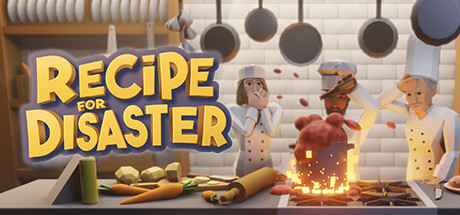
Recipe for Disaster is a management sim that captures the fast-paced, drama-filled environment of a professional kitchen and dining room. Build your dream restaurant, create recipes, design menus and manage your staff, all while contending with demanding customers and disastrous situations!
Estimated lifetime revenueHigh confidence
$343.2Kgross
$205.9Klow → high range$583.4K
Net to developer$228.2K
Modeled estimate, not a reported figure. How we estimate →
Est. copies sold
29.6K
mid estimate
Prices
Where to buy
The United States storefront in every case, so this compares stores and not countries.
About
About the game
Recipe for Disaster is a management game that challenges you to create and run a highly successful restaurant. Whether turning around the fortunes of failing establishments in pre-set scenarios, or bringing your own vision to life in freeplay mode, you’ll be carefully designing restaurants, hiring and managing the right staff, customizing food menus, and experimenting with ingredients to invent tasty new dishes that will impress your customers. Sounds idyllic, right? Wrong.
Blazing a trail through the hectic and stress-inducing world of the food-service industry will be anything but straightforward. After all, this is an industry built around people, and keeping everyone happy, motivated and fulfilled will require nothing short of a miracle! Serious personality flaws and major skill gaps within your team could really disrupt the flow of service, while the volatile attitudes and peculiar tastes of your customers may prove to be the barrier that separates you from those all-important positive review scores.
With perseverance, savvy management and a great deal of compromise, your restaurant will grow, opening up new opportunities and challenges as you attract ever more customers, health inspectors and food critics through your doors. Expand your premises, improve your staff, and walk the precarious line between gastronomic glory and restaurant ruin.
Pick from a pool of procedurally generated hopefuls. Consider each individual’s unique combination of traits and skill levels, and how these might affect their work efficiencies, behaviour and customer interactions. Will they excel? Or will they prove to be more trouble than they’re worth? Manage your team’s mood and stamina levels to minimize the risk of breakdowns and mid-service walkouts. Some staff will love the tasks that you give them, while others will loathe them!
Customize the design and layout of your restaurants using intuitive building tools. Equip your kitchen with state-of-the-art appliances, decorate your dining area, landscape your surroundings, and build storage to hold those precious ingredients.
Manually assign tasks to your team or keep everyone busy using a highly customisable priority system. Keep a close eye on incoming customer orders and adjust your strategy in real-time to ensure the highest standard of food and customer service.
Pay close attention to the demands of your customers and adjust your menu to match their tastes. Be wary of dietary requirements, food allergies and unusual preferences. Decide how best to deal with the requests and complaints of your staff and customers. Will you be sympathetic or combative? Pushovers and tyrants will soon find themselves out of business, so you’ll have to read each situation carefully.
Use the powerful recipe editor to freely create original recipes and add them to your menus. Ensure you have the necessary ingredients by keeping on top of your storage levels and placing regular orders with your suppliers.
Blazing a trail through the hectic and stress-inducing world of the food-service industry will be anything but straightforward. After all, this is an industry built around people, and keeping everyone happy, motivated and fulfilled will require nothing short of a miracle! Serious personality flaws and major skill gaps within your team could really disrupt the flow of service, while the volatile attitudes and peculiar tastes of your customers may prove to be the barrier that separates you from those all-important positive review scores.
With perseverance, savvy management and a great deal of compromise, your restaurant will grow, opening up new opportunities and challenges as you attract ever more customers, health inspectors and food critics through your doors. Expand your premises, improve your staff, and walk the precarious line between gastronomic glory and restaurant ruin.
Pick from a pool of procedurally generated hopefuls. Consider each individual’s unique combination of traits and skill levels, and how these might affect their work efficiencies, behaviour and customer interactions. Will they excel? Or will they prove to be more trouble than they’re worth? Manage your team’s mood and stamina levels to minimize the risk of breakdowns and mid-service walkouts. Some staff will love the tasks that you give them, while others will loathe them!
Customize the design and layout of your restaurants using intuitive building tools. Equip your kitchen with state-of-the-art appliances, decorate your dining area, landscape your surroundings, and build storage to hold those precious ingredients.
Manually assign tasks to your team or keep everyone busy using a highly customisable priority system. Keep a close eye on incoming customer orders and adjust your strategy in real-time to ensure the highest standard of food and customer service.
Pay close attention to the demands of your customers and adjust your menu to match their tastes. Be wary of dietary requirements, food allergies and unusual preferences. Decide how best to deal with the requests and complaints of your staff and customers. Will you be sympathetic or combative? Pushovers and tyrants will soon find themselves out of business, so you’ll have to read each situation carefully.
Use the powerful recipe editor to freely create original recipes and add them to your menus. Ensure you have the necessary ingredients by keeping on top of your storage levels and placing regular orders with your suppliers.
