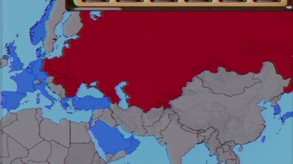
The confrontation between the East and the West is coming to an end, but not between East and West Germany. The old party leaders are still sitting in their offices, not changing anything and waiting for exclamations from Moscow. But their end is close – Gorbachev and Kohl have already decided...
Modeled estimate, not a reported figure. How we estimate →
Media

About
Genres
Stats
All-time low is the lowest price we've recorded for this game since we started tracking it.
Languages: English, Russian
Engagement
Hours played at review time, across 41 reviews with recorded playtime.
Reviews
Themes across 41 recent reviews and how positive each mention is. A keyword signal, not full sentiment analysis.
positive critical· bar length = how often the theme comes up
Reviews
The fact that less than 12% of players even get the most basic achievement in this game - not being overthrown within 1 year of GDR gameplay - is a pretty good indicator of how the rest of the game plays. Unclear English translations at many points, bad tutorial, and performing one, "bad decision," that causes a detriment to the USSR's opinion of you can lead to a drawn-out death spiral as USSR approval is DIRECTLY tied to popular approval and party unity. You can't even ban the political party comprised of former nazis without risking revolution.
если мишки были пчёлами то они бы нипочём никогда и не подумали будь ты проклят Горбачёв
die partei, die partei, die hat immer recht
Ostalgie: The Berlin Wall is a dense and uncompromising political strategy game developed and published by Nostalgames, and it offers a rare opportunity to step into the administrative machinery of a late–Cold War socialist state. Rather than dramatizing the fall of the Eastern Bloc through cinematic set pieces, the game takes a far more granular approach: it places you behind the desk of East German, Bulgarian, Romanian, or Polish leadership, and asks you to manage an entire government teetering between ideological conviction, economic pressure, public dissatisfaction, and intensifying Western influence. Set between the mid-1980s and the collapse of 1990, the game offers a slow-burning, detail-heavy simulation where every decision feels like it carries political, social, or economic weight—even if the exact consequences are not immediately visible. This opacity is part of what makes the experience immersive; like real bureaucrats of the period, you often operate under uncertainty, piecing together outcomes through observation and instinct. The heart of the gameplay lies in its complex mesh of state systems. You manage propaganda, oversee elections, shape foreign relations, balance budgets, control censorship, manage the military apparatus, and deal with both internal dissent and external diplomatic shockwaves. Each subsystem feeds into others, creating a network of pressures that force you to prioritize one crisis at the expense of another. The depth is striking for a game developed by a small team. What it lacks in visual spectacle it compensates for with an intricate interplay of ideological battles, economic juggling, and political brinkmanship. You can attempt to modernize your state, double down on hardline doctrine, cautiously reform in hopes of survival, or embrace collapse and rebuild something new from the remnants. The alternate-history possibilities are substantial, and this flexibility is one of the game’s most engaging aspects. The narrative framing enhances the simulation rather than overshadowing it. Ostalgie integrates real historical events—uprisings, diplomatic tensions, Soviet stagnation, NATO pressure—with enough freedom for you to chart your own course. The game does not shy away from depicting the contradictions and struggles of socialist governance during its decline: ideological rigidity clashing with economic reality, loyalty to the Soviet bloc competing with rising national unrest, and propaganda campaigns that increasingly fail to mask the system’s breaking points. The writing and event flavor text help ground the mechanics, giving you a sense of the political atmosphere that defined the era. This contextual detail is a major reason the game resonates so strongly with players who enjoy historically grounded strategy. At the same time, the game’s complexity can create real frustration. One of the recurring criticisms from players is that the consequences of your decisions are not always transparent. You might adjust propaganda intensity, reallocate budget resources, or modify diplomatic stances without immediately understanding how these changes ripple through your administration. This ambiguity is thematically appropriate—the real governments of the era lacked perfect foresight—but it also means that new players face a steep learning curve. The interface, functional but dated, does not always help decode the systems. It can take hours before you begin to feel confident in interpreting feedback or predicting outcomes, and some players will find this opacity discouraging rather than immersive. The game’s presentation is deliberately minimalistic. The visuals are straightforward, relying on static screens, simple portraits, and dense informational menus rather than elaborate animations or detailed maps. This simplicity works for players who value mechanics over aesthetics, but it may alienate those who expect more elaborate production values from modern strategy titles. Ostalgie is unapologetically old-school in this regard: it prioritizes simulation depth and ideological authenticity over graphical flourish, and it assumes the player is willing to engage with spreadsheets, reports, and data-heavy decision-making. For the right audience, however, Ostalgie offers remarkable value. Fans of political strategy, alternate history, and Cold War studies will find dozens of hours of replayability. Each playthrough presents new challenges, new combinations of diplomatic pressures, and new opportunities to test different ideological or tactical approaches. The overwhelmingly positive reception from its player base reflects how deeply the game satisfies those who enjoy intricate management systems and historical nuance. It rewards patience, curiosity, and the desire to steer a nation through one of the most volatile periods in modern European history. In the end, Ostalgie: The Berlin Wall stands as a uniquely rich simulation for players who want to explore the twilight years of the Eastern Bloc from an administrative perspective. It is complex, demanding, and occasionally opaque, but also deeply atmospheric and intellectually engaging. The game excels not by simplifying history, but by immersing you in its contradictions. For players seeking a thoughtful, mechanically robust strategy experience grounded in real-world political tension, it remains one of the most distinctive titles in the genre. Rating: 8/10
⣿⣿⡻⠿⣳⠸⢿⡇⢇⣿⡧⢹⠿⣿⣿⣿⣿⣾⣿⡇⣿⣿⣿⣿⡿⡐⣯⠁ ⠄⠄ ⠟⣛⣽⡳⠼⠄⠈⣷⡾⣥⣱⠃⠣⣿⣿⣿⣯⣭⠽⡇⣿⣿⣿⣿⣟⢢⠏⠄ ⠄ ⢠⡿⠶⣮⣝⣿⠄⠄⠈⡥⢭⣥⠅⢌⣽⣿⣻⢶⣭⡿⠿⠜⢿⣿⣿⡿⠁⠄⠄ ⠄⣼⣧⠤⢌⣭⡇⠄⠄⠄⠭⠭⠭⠯⠴⣚⣉⣛⡢⠭⠵⢶⣾⣦⡍⠁⠄⠄⠄⠄ ⠄⣿⣷⣯⣭⡷⠄⠄⢀⣀⠩⠍⢉⣛⣛⠫⢏⣈⣭⣥⣶⣶⣦⣭⣛⠄⠄⠄⠄⠄ ⢀⣿⣿⣿⡿⠃⢀⣴⣿⣿⣿⣎⢩⠌⣡⣶⣿⣿⣿⣿⣿⣿⣿⣿⣿⣿⣆⠄⠄⠄ ⢸⡿⢟⣽⠎⣰⣿⣿⣿⣿⣿⣿⢀⣾⣿⣿⣿⣿⣿⣿⣿⣿⣿⣿⣿⣿⣿⣦⠄⠄ ⣰⠯⣾⢅⣼⣿⣿⣿⣿⣿⣿⡇⣾⣿⣿⣿⣿⣿⣿⣿⣿⣿⣿⣿⣿⣿⣿⣿⡄⠄ ⢰⣄⡉⣼⣿⣿⣿⣿⣿⣿⣿⢸⣿⣿⣿⣿⣿⣿⣿⣿⣿⣿⣿⣿⣿⣿⣿⣿⣧⠄ ⢯⣌⢹⣿⣿⣿⣿⣿⣿⣿⣿⢸⣿⣿⣿⣿⣿⣿⣿⣿⣿⣿⣿⣿⣿⣿⣿⣿⣿⠄ ⢸⣇⣽⣿⣿⣿⣿⣿⣿⣿⣿⠸⣿⣿⣿⣿⣿⣿⣿⣿⣿⣿⣿⣿⣿⣿⣿⣿⣿⠄ ⢸⣟⣧⡻⣿⣿⣿⣿⣿⣿⣿⣧⡻⣿⣿⣿⣿⣿⣿⣿⣿⣿⣿⣿⣿⣿⣿⣿⣿⠄ ⠈⢹⡧⣿⣸⠿⢿⣿⣿⣿⣿⡿⠗⣈⠻⣿⣿⣿⣿⣿⣿⣿⣿⣿⣿⣿⣿⣿⡇⠄ ⠄⠘⢷⡳⣾⣷⣶⣶⣶⣶⣶⣾⣿⣿⢀⣶⣶⣶⣾⣿⣿⣿⣿⣿⣿⣿⣿⣿⠇⠄ ⠄⠄⠈⣵⣿⣿⣿⣿⣿⣿⣿⣿⣿⣿⢸⣿⣿⣿⣿⣿⣿⣿⣿⣿⣿⣿⣿⣿⠄⠄ ⠄⠄⠄⠸⣿⣿⣿⣿⣿⣿⣿⣿⣿⣿⠘⣿⣿⣿⣿⣿⣿⣿⣿⣿⣿⣿⣿⠇⠄⠄
i love this silly little game
Покупал Ostalgie в надежде на глубокую геополитическую песочницу времён распада соцблока. По факту же, это скорее текстовый квест со скрытыми скриптами, где "сложность" определяется не системой и механиками, а бесконечными ивентами с плохо предсказуемыми и не всегда логичными последствиями. В серии игр Democracy тоже есть идеологический перекос в балансе (в Ostalgie с "нобелевской взяткой" Горбачёву он очевиден), но там существует понятная системная модель. Система графов прямо показывает, по кому бьёт повышение налогов на топливо или сокращений гос вливаний в медицину. В Ostalgie я много раз удивлялся последствиям выбора, а постройки НИИ или Завода оказывают небольшое влияние только на указанные показатели. В Suzerain вообще почти весь геймплей это диалоги, но там игра значительно глубже. Решений много, их можно сглаживать. В итоге пара твоих выборов не оказывают фатального влияния сразу, хотя и могут аукнуться тяжёлыми последствиями позже. Моя партия не поддержала многих моих инициатив и выборы я проиграл, но никто не свергал меня прямо по ходу правления из-за того, что я высказался неправильно относительно Аятоллы Хомейни. Играя за ГДР, я полностью переориентировал экономику на торговлю с Западом к моменту распада СЭВ: бюджет был полный, уровень жизни уверенно рос. Однако при ивенте на падение СЭВ игра выдаёт тяжелейший удар по "единству партии" и фактически ведёт к поражению. Почему единство не падало, когда я заключал контракты с Кипром, Израилем или Таиландом, но все партийцы отвернулись, когда я предложил ориентироваться на Запад после падения СЭВ? Где тут логика? Либо партия должна была противиться моему курсу всё это время, либо не так остро реагировать на этот ивент. Однако последствия решения уже зашиты в скрипт и неважно в каком состоянии ты подошёл к нему. Здесь многие события ощущаются как авторские чекпоинты: если ты не прошёл их «правильными» способами, то ты получаешь наказание независимо от общего состояния страны, и прочих внешних факторов. При этом у тебя мало возможностей сгладить какие-то решения, или как-то выправить резкое падение того же единства партии после выбора в ивенте (при том, что в целом динамика может быть в плюсе). Если хотите именно политическую драму с последствиями решений, тогда лучше поиграйте в Suzerain. Если хочется ковыряться в системной модели государства, то уж лучше Democracy. Ostalgie стоит брать скорее ради атмосферы и исторического антуража. Ну или если вам заходит хардкор в стиле Long Live the Queen и Academagia, где нужно вслепую подгонять циферки под скрытые проверки. Мне, к сожалению, такое не заходит.
❗ For the English version, please scroll down. ❗ Ostalgie: The Berlin Wall — это исключительно редкий для студии Kremlingames случай, когда игра не просто обладает завидной глубиной, но и не пытается отпугнуть сложностью с первых же минут. В отличие от других проектов студии, здесь не нужно часами изучать бюджет или вникать в хитросплетения доктрин. Основные экономические и политические рычаги довольно абстрактны и понятны интуитивно. Буквально за несколько попыток можно привести, например, ГДР к победе по умеренно-историческому пути. Однако настоящее испытание начинается, когда вы решаете свернуть с проторенной дорожки и заняться получением достижений. Каждая ачивка — это, по сути, поиск уникальной концовки или нестандартного пути развития. Хотите объединить Германию, но под флагом единой ГДР? Придётся начать думать совершенно иначе, а чтобы ачивку засчитали - ещё и включить все усложняющие модификаторы. В итоге получается интересная динамика: всего пять часов уходят на обучение и первую победу, а спустя какое-то время те же пять можно потратить на одну-единственную, но особенно сложную цель. Игра мастерски балансирует на грани реальной истории и альтернативного вымысла. На ключевых постах — настоящие исторические личности, на календаре — знакомые по учебникам события. Но мир живо реагирует на ваши решения, даже самые неортодоксальные. Ostalgie не просто показывает такой редкий для видеоигр сеттинг, как распад соцлагеря, а даёт активно в нём участвовать и направлять его даже в самое неожиданное русло. Реиграбельность огромна. Даже базовая версия с ГДР, Польшей, Румынией и Болгарией предлагает десятки часов контента. Каждая страна — это не просто разные стартовые условия и уникальные здания, а отдельная кампания, требующая новой стратегии. Даже просто пережить игру за Польшу — задача не из лёгких, а уж выбивание всех ачивок за каждую страну может растянуться на очень долгое время. И это не говоря о дополнениях, которые стоят совсем недорого и добавляют новые сценарии не меньшей проработанности. Визуально и аудиально игра не хватает звёзд с неба, но берёт аутентичностью. Интерфейс стилизован под электронные устройства 80-х, что-то вроде ранних КПК, и при этом он вполне информативен. Музыкальное сопровождение — подборка песен социалистической эпохи: своя подборка предоставлена для каждой играбельной страны, и из них можно выбрать музыку по своему вкусу. Это не то чтобы жизненно важно для стратегии, но создаёт впечатление цельной атмосферы. Отдельно стоит упомянуть постоянную поддержку игры и её сообщество: оно небольшое, но очень активное. Если вы застряли на какой-то механике или не можете понять, как выполнить условие для ачивки, почти наверняка найдёте ответ в руководствах Steam или в комментариях в группе разработчиков в ВК, потому что спустя пару недель или месяцев после появления достижения, скорее всего, кто-то уже прошёл этот путь и готов поделиться опытом. Сами обновления выходят не очень часто, но они довольно регулярны и постоянно добавляют приятные мелочи вроде новых событий или ачивок. Кстати, игра прекрасно работает даже на слабейших ПК, а русский язык для нее родной — никаких проблем с переводом. Конечно, игра не идеальна. Некоторые механики остаются неочевидными даже после десятков часов — например, внезапный разрыв торговых отношений или смена строя в соседней стране могут застать врасплох, особенно если вам позарез нужна была эта торговля для баланса бюджета или этот строй — для ачивки. Чувствуется и чрезмерная симпатия сценаристов к Николае Чаушеску, выходящая за пределы просто интерпретации, из-за чего кампания за Румынию по консервативному пути получилась неоправданно лёгкой. А свежие обновления и DLC порой выходят с нарушенным балансом, который исправляют патчами. Но все эти недостатки не отменяют главного. Ostalgie — это уникальный политический симулятор для всех, кто интересуется историей соцлагеря. У него адекватная кривая обучения, огромный потенциал для реиграбельности и практически полное отсутствие аналогов на рынке. А учитывая, что даже со всеми дополнениями игра стоит смешных денег, пройти мимо было бы просто неправильно. 10 из 10 ___ Ostalgie: The Berlin Wall is a rare gem from Kremlingames. Unlike their other titles, it’s not only impressively deep but also doesn’t try to scare you away with overwhelming complexity right from the start. You won't need to spend hours figuring out budgets or complex doctrines. The core economic and political mechanics are quite abstract and intuitive. It only takes a few tries to guide a country like the GDR to a moderate, historical-ish victory. The real challenge, however, begins when you decide to stray from the beaten path and hunt for achievements. Each achievement is essentially a quest for a unique ending or an unconventional development path. Want to unify Germany under the Eastern rule? You'll have to think completely differently and, to get the achievement, turn on all the difficulty modifiers. This creates an interesting dynamic: you can learn the ropes and get your first win in about five hours, but later on, you might spend that same amount of time on a single tough goal. The game masterfully balances real history with fiction. Key government positions are filled with actual historical figures, and the calendar is marked with events you'll recognize from history books. But the world reacts dynamically to your decisions, no matter how unorthodox. This responsiveness is especially valuable in the setting of the collapsing Eastern Bloc — a period the gaming industry often overlooks. Ostalgie doesn't just show you this historical period; it lets you actively participate and steer it in completely unexpected directions. The replayability is immense. Even the base game, with East Germany, Poland, Romania, and Bulgaria, offers dozens of hours of content. Each nation isn't just a set of different starting conditions and unique buildings; it’s a distinct campaign that demands a new strategy. Just guiding Poland through a storm of reforms and strikes to a victory on high difficulty is a serious challenge. Trying to collect every achievement for every country could keep you busy for a very, very long time. And that’s not even counting the inexpensive DLCs, which add new scenarios with the same level of detail. Visually and aurally, the game isn't a blockbuster, but it nails the authentic feel. The interface is styled after 80s electronic devices, like an early PDA, yet it remains clean and informative. The soundtrack is a collection of songs from the socialist era, with a unique playlist for each playable country, allowing you to curate the mood. It’s not essential for a strategy game, but it creates a wonderfully cohesive atmosphere. The game also benefits from ongoing support and its small but active community. If you're stuck on a particular mechanic or can't figure out an achievement, you'll almost certainly find an answer in the Steam guides, as someone has likely already figured it out. Updates aren't as frequent as one might wish, but they are regular and consistently add nice touches like new events or development paths. Of course, the game isn't perfect. Some mechanics remain a bit obscure — a sudden trade deal collapse or a neighboring country's regime change can catch you completely off guard, especially if your budget or achievement depended on it. There’s also a noticeable fondness for Ceaușescu from the writers, making Romania's conservative path feel way too easy. And new updates and DLCs sometimes launch with balance issues that get fixed later. But these flaws don't detract from the main point. Ostalgie: The Berlin Wall is a one-of-a-kind political simulator for anyone interested in the history of the Eastern Bloc. It has a reasonable learning curve, massive replayability, and virtually no competitors on the market. Considering its ridiculously low price, even with all the DLCs, passing this one up would be a mistake. 10/10
Very stimulating simulator of the 1989-1991 change of geopolitical climate. I just wish individual countries were expanded upon a bit more, or if the game went on to atleast mid 90s to capture Russian constitutional crisis, Yugoslav wars or the First war in Chechnya.
♥♥♥♥♥, первая игра от Носталгеймс, где я смог победить без читов, со включёнными сложностями... ЭТО ВОЗМОЖНО!? P.S. Жду ДЛС на Вьетнам, Кампучию, Йемен или Лаос
Related
Related
Trends
Modeled estimate over time, reconstructed from Steam's monthly review histogram.
Momentum
Pace estimated from the game's recent review growth (our daily snapshots) at its own sales-per-review ratio — a momentum signal, not booked sales.
Audience
Estimated from the language of this game's reviews — a proxy for where players are, not official Steam demographics.
Related
| Stay Alive: Apocalypse | $138.1K | 164 | 50% | $24.99 |
| Girls' civilization | $138.1K | 253 | 60% | $24.99 |
| One Dog Story | $138.2K | 513 | 79% | $11.99 |
| vROVpilot: TITANIC | $138.2K | 161 | 88% | $24.99 |
| Hello Neighbor VR: Search and Rescue | $138.1K | 296 | 72% | $29.99 |
| Summer Beach | $138K | 179 | 73% | $19.99 |
Related
| 7 Days to Die | $425.3M | 403.5K | 87% | $44.99 |
| Mount & Blade II: Bannerlord | $309.8M | 293.9K | 88% | $49.99 |
| Squad | $166.3M | 240.4K | 81% | $39.99 |
| Satisfactory | $164.4M | 275.8K | 97% | $27.99 |
| Kerbal Space Program | $154.7M | 144.7K | 96% | $39.99 |
| RimWorld | $149.6M | 205.9K | 98% | $34.99 |