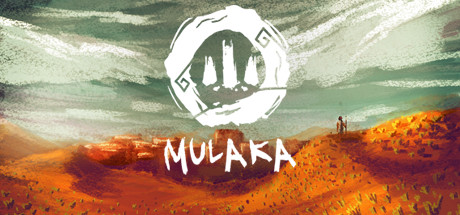
Mulaka, developed and published by Lienzo, is an action-adventure game that stands out for its deep cultural roots and its dedication to bringing the mythology of the Tarahumara (Rarámuri) people of northern Mexico to life. Rather than relying on the tropes and aesthetics that dominate mainstream fantasy, the game draws from real indigenous beliefs, geography, and storytelling traditions. You play as Sukurúame, a Tarahumara shaman on a quest to cleanse the world of corruption and restore harmony to the land. This journey takes you across vast stretches of the Sierra Tarahumara, where gods, spirits, and creatures from ancient legends coexist with humanity. What makes Mulaka instantly striking is its authenticity—its narrative, visual identity, and even its language reflect a sincere effort to represent a culture that is rarely explored in gaming.
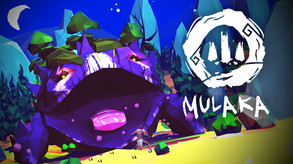
Visually, Mulaka adopts a minimalist, low-poly art style that works in harmony with its mythic tone. The environments—ranging from desert canyons and lush forests to sacred temples—are bright, colorful, and symbolic rather than literal. Each location feels handcrafted to capture the grandeur and spirituality of the Tarahumara landscape, giving the game a distinctive personality that separates it from more generic action titles. The use of bold colors and geometric designs makes it feel like a living folk painting, and the aesthetic choice not only complements the game’s mythical themes but also ensures smooth performance even on modest systems. The soundtrack, composed of native instruments and rhythmic chants, reinforces the sense of immersion. It’s hauntingly beautiful, evoking both reverence and adventure, and it grounds every encounter in a sense of place and culture.
Gameplay-wise, Mulaka draws inspiration from classic 3D action-adventure design, with exploration, light puzzle-solving, platforming, and combat forming the backbone of its experience. Sukurúame’s abilities expand as the story progresses—he can transform into divine animals like a bear, a bird, or a serpent, each representing powers gifted by the gods. These abilities allow access to new areas and add variety to traversal and combat. The structure is consistent: explore an area, solve environmental challenges, defeat mythic beasts, and confront bosses that test your mastery of both combat and movement. While the formula feels familiar, the cultural context and spiritual undertones make it feel refreshing. The way these divine forms intertwine with the land and story gives a spiritual depth that elevates otherwise simple mechanics into something more meaningful.
However, the gameplay itself does not always live up to the richness of its world. The combat system, while functional, can feel repetitive and occasionally clunky. Basic attack combos and dodging form the foundation of encounters, but the lack of fluidity or complexity means battles can start to blur together after a while. Enemy types, though drawn from Tarahumara folklore, often follow predictable attack patterns, and the sense of challenge remains moderate throughout. Platforming sections and puzzles fare slightly better, as the transformation powers introduce clever environmental interactions, but even here the design can feel conservative. It’s clear that Mulaka’s focus is on accessibility and atmosphere rather than intricate systems, and while that approach makes it easy for newcomers to enjoy, veterans of the genre might crave more depth and precision.
Where Mulaka truly excels is in its sense of identity. Few games manage to feel so connected to their source material while still being engaging as entertainment. The game’s educational aspect never feels forced or patronizing—it naturally conveys history, spirituality, and tradition through environmental storytelling and dialogue. The Tarahumara people are known for their incredible endurance running, and this cultural element is woven directly into the gameplay: Sukurúame’s movement emphasizes fluidity and stamina, capturing the grace and strength of his heritage. Every encounter, from small wildlife to colossal bosses, feels like an extension of that heritage, reinforcing the bond between culture and gameplay. It’s this thematic cohesion that gives Mulaka a sense of purpose that goes beyond its technical limitations.
From a pacing perspective, the game offers a concise but fulfilling experience, typically lasting around seven to ten hours. It’s structured enough to provide a satisfying narrative arc but short enough to avoid overstaying its welcome. The simplicity of the design means there isn’t a great deal of replay value beyond collectibles and the appreciation of its art and story, yet that brevity works in its favor—it ensures that Mulaka remains focused and heartfelt from beginning to end. The technical performance is stable, and the game runs well even on lower-end systems, which makes it widely accessible.
Mulaka succeeds not because of innovation in mechanics but because of its devotion to storytelling through culture. It serves as a bridge between myth and modernity, showing how video games can be vehicles for preserving and celebrating heritage. While it may not rival larger titles in complexity or polish, it accomplishes something more important: it gives voice to a people and mythology often overlooked, and it does so with sincerity and respect. Lienzo’s work stands as both a love letter to indigenous Mexican culture and a reminder that games can be powerful tools for cultural expression. For players who value artistry, authenticity, and atmosphere over technical spectacle, Mulaka offers a meaningful journey that lingers long after its final moments.
Rating: 8/10