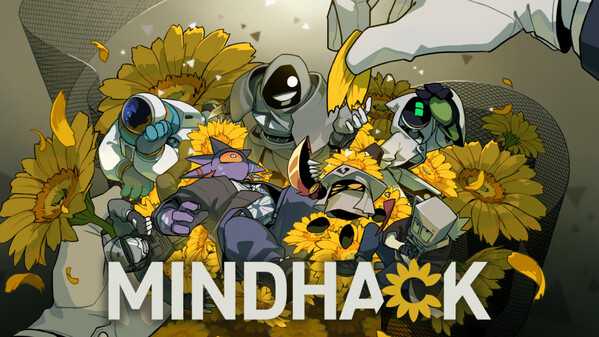
Change the minds of evildoers…for good! MINDHACK is a text adventure game where you meet unique evildoers, hack their minds, and rewrite them into happy people!
Modeled estimate, not a reported figure. How we estimate →
Media

About

Genres
Stats
All-time low is the lowest price we've recorded for this game since we started tracking it.
Languages: Japanese, English, Simplified Chinese, Traditional Chinese, Korean
Engagement
Reviews
Themes across 42 recent reviews and how positive each mention is. A keyword signal, not full sentiment analysis.
Reviews
맛있다
제발 쇼우고 코마고메를 저에게 주세요, 제발요. 제가 우리 신참이 열심히 키울게요, 그러니까 제발 주세요. 제발요.
я за хлеб с маслом готов на убийство лишь бы хлеб с маслом
Related
Related
Trends
Modeled estimate over time, reconstructed from Steam's monthly review histogram.
Hours played at review time, across 42 reviews with recorded playtime.
positive critical· bar length = how often the theme comes up
very peak !!!!! great storytelling, great visuals, fun occasional gameplay, 10/10 :)
This has been a very interesting experience so far. Can't wait to see where the story goes in the future.
於是就這樣莫名其妙成爲敲字仙人,成就那個只有和人對綫才會打那麽快吧( 心靈駭客 × 白工碼農 √
PlayStation面条小狗真的好萌
MINDHACK is a psychological sci-fi visual novel that immediately separates itself from conventional narrative games through its bizarre concept and unsettling themes. Set in a strange futuristic society where dangerous criminals are rehabilitated through direct mental manipulation, the game places players in the role of a hacker capable of rewriting human personalities. While the premise initially sounds absurd and darkly comedic, the experience gradually evolves into something far more disturbing and emotionally layered. Beneath the vibrant visuals and eccentric humor lies a story deeply concerned with morality, identity, trauma, and the ethics of changing people against their will. The game’s central idea revolves around entering the minds of criminals and removing destructive emotional “bugs” that corrupt their behavior. This process is treated almost casually by the world around it, which creates an intentionally uncomfortable atmosphere. Players are encouraged to “fix” broken individuals through invasive psychological intervention, but the game constantly raises unsettling questions about whether rehabilitation through forced personality alteration can truly be considered humane. Rather than delivering clear answers, MINDHACK allows its themes to unfold gradually through conversations, emotional revelations, and increasingly uncomfortable situations. One of the strongest elements of the game is its writing. The cast is filled with unusual personalities that initially appear exaggerated or comedic but slowly reveal emotional depth and vulnerability. Many characters struggle with isolation, emotional instability, guilt, or trauma, and the game does an impressive job of balancing humor with genuine psychological weight. Even individuals introduced as violent or dangerous are given enough humanity to make their stories compelling. The dialogue feels energetic and expressive, constantly shifting between absurd comedy, emotional sincerity, and psychological tension. The gameplay itself is relatively simple but highly effective within the context of the story. Much of the experience unfolds through visual novel sequences, investigations, and hacking segments where players type commands to access memories and manipulate emotional states. These typing mechanics are not particularly difficult, but they create strong thematic immersion by making players feel directly responsible for altering someone’s mind. Instead of relying on traditional combat or action systems, the game focuses almost entirely on psychological interaction and narrative progression, which suits its concept perfectly. Visually, MINDHACK stands out because of its distinctive art direction and surreal presentation. The colorful aesthetic contrasts sharply with the disturbing implications of the narrative, creating a strange emotional dissonance that constantly keeps players uneasy. Character designs are imaginative and memorable, often blending cartoon-like absurdity with unsettling symbolism. The game also makes strong use of animation effects, perspective shifts, and visual distortions during hacking sequences, giving the impression that reality itself is unstable. This surreal style helps reinforce the game’s themes of fractured identity and manipulated consciousness. The soundtrack contributes heavily to the atmosphere as well. Music ranges from playful and energetic to haunting and melancholic depending on the emotional tone of each scene. Combined with expressive sound effects and dynamic visual presentation, the audio design helps maintain immersion throughout the experience. The game’s atmosphere is one of its greatest strengths because it constantly feels unpredictable. Players are never entirely sure whether the next scene will be humorous, emotionally devastating, or deeply unsettling. Another major strength of MINDHACK is its willingness to challenge the player morally. The game repeatedly forces players to question whether changing someone’s mind to eliminate harmful behavior is truly an act of kindness or simply another form of violence. It explores ideas surrounding free will, conformity, social control, and emotional repression in ways that feel surprisingly thoughtful for such an eccentric indie project. The narrative often avoids simplistic moral conclusions, allowing players to interpret the consequences of their actions themselves. At the same time, the game’s niche appeal may limit its audience. Players looking for action-heavy gameplay or straightforward storytelling may struggle with its dialogue-focused structure and abstract themes. The pacing occasionally slows during extended conversations, and some of the hacking mechanics remain mechanically simple throughout the experience. Since the game has been developed in an episodic format, certain storylines may also feel incomplete until future updates fully expand the narrative. However, these issues rarely overshadow the originality and emotional impact of the overall experience. What ultimately makes MINDHACK memorable is its confidence in embracing weirdness without sacrificing emotional sincerity. The game combines surreal humor, psychological horror, philosophical questions, and heartfelt character writing into something genuinely unique. It is simultaneously entertaining, uncomfortable, funny, and emotionally heavy in ways few visual novels manage to achieve. Rather than simply telling a strange story for shock value, it uses its bizarre premise to explore deeply human fears and insecurities surrounding identity and emotional control. MINDHACK may not appeal to everyone, but players willing to engage with its unusual storytelling and morally challenging themes will find an experience unlike almost anything else in the indie visual novel genre. Its striking presentation, memorable characters, and unsettling psychological ideas leave a lasting impression long after the story ends. For fans of experimental narrative games that prioritize atmosphere, emotion, and philosophical depth over conventional gameplay systems, MINDHACK is an unforgettable journey into manipulated consciousness and fractured humanity. Rating: 9/10
连个自动存档都做不好
레베카랑 결혼할래요
Audience
Estimated from the language of this game's reviews — a proxy for where players are, not official Steam demographics.
Related
| STAR WARS™ - X-Wing Special Edition | $139.2K | 391 | 79% | $9.99 |
| Wildlife Park 2 | $139.2K | 559 | 72% | $6.99 |
| Heaven Island - VR MMO | $139.3K | 2.1K | 58% | $1.99 |
| Vibrant Venture | $139.3K | 662 | 98% | $14.99 |
| Desktop Defender | $139.1K | 1.7K | 93% | $3.74 |
| SKYHILL | $139K | 4.7K | 78% | $0.99 |