
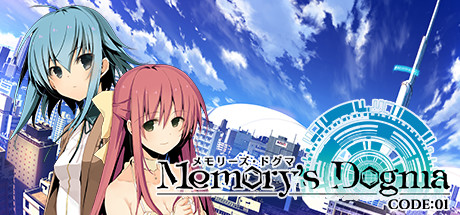
Japan, 2030 A.D. Memories can now be digitized and archived, allowing people to communicate with the deceased. With only one week left before his best friend’s memories are deleted, can Hiroki uncover the truth behind Sorano’s death?
Modeled estimate, not a reported figure. How we estimate →
About
Stats
All-time low is the lowest price we've recorded for this game since we started tracking it.
Languages: English, Japanese*, Simplified Chinese, Traditional Chinese, Russian*languages with full audio support
Engagement
Hours played at review time, across 40 reviews with recorded playtime.
Reviews
Themes across 40 recent reviews and how positive each mention is. A keyword signal, not full sentiment analysis.
positive critical· bar length = how often the theme comes up
Reviews
你们是不是觉得给进入backlog做一个文字跟着一起滑动的过渡效果很coooooooooooooooooool啊,刚玩没两分钟就遇到这种让人无法忍受的低级UI问题真是没谁了。
This game is purposely making me limp, the story is giving a great pressure with the end that just.. AAAAAARRRRGGHHHHHH!!!
Самые лучшие 5 часов игры (и 2 часа, проведенных во вкладке с музыкой) в моей жизни
Visual Novel with timed choices. Easy Achievements, 100% / ~20min.
The game does have Steam Achievements, but they are not listed under the Game Features (now). So while I won't say that the game doesn't work as advertised, the achievements do not work and that would be my main reason for playing a likely very average VN. There are probably better choices on Steam.
Memory's Dogma CODE:01, developed by Liz-Arts and published by Sekai Project, is a science-fiction visual novel that places emotional trauma and speculative technology at the center of its narrative. Set in a near-future Japan where memories can be digitized and preserved after death, the game opens on a deeply personal note, following college student Hiroki Kusuhara as he grapples with grief, guilt, and suicidal thoughts after the sudden loss of his close friend Sorano Mizunashi. From its earliest moments, the game establishes a somber, introspective tone, framing its futuristic premise through the lens of human vulnerability rather than technological spectacle. The central concept of “e-Memory” technology is the backbone of the experience. In this world, memories of the deceased can be stored, replayed, and interacted with through specialized facilities, blurring the line between remembrance and artificial continuation of life. This idea is handled with genuine ambition, raising ethical and emotional questions about whether preserving memories offers comfort or simply prolongs pain. The game frequently returns to this tension, using Hiroki’s psychological state as a way to explore how memory can both heal and harm. At its best, Memory’s Dogma is most compelling when it leans into these quiet, uncomfortable questions rather than overt plot twists. Visually and technically, the game stands out among mid-budget visual novels. Character art is clean and expressive, with designs that balance anime stylization and grounded emotion. The use of animated cut-ins and motion sequences adds cinematic flair to key moments, helping heighten emotional impact during dramatic scenes. Full Japanese voice acting across the cast significantly enhances immersion, lending authenticity to character interactions and giving weight to moments of despair, tension, and fleeting warmth. The soundtrack complements this presentation well, favoring atmospheric and melancholic compositions that reinforce the game’s reflective mood rather than overpower it. As the narrative unfolds, the story expands beyond its initial focus on grief and memory, introducing a larger cast and a growing conspiracy tied to the misuse of e-Memory technology. While these developments add scope, they also introduce pacing and focus issues. The story sometimes struggles to balance its intimate emotional core with broader science-fiction intrigue, resulting in stretches where new characters and subplots feel underdeveloped or only loosely connected to the main themes. This unevenness can dilute the emotional resonance established early on, making parts of the middle section feel less cohesive than the opening acts. Player choice plays a noticeable role in shaping the experience, with multiple decision points that can lead to premature bad endings or steer the story back onto its primary route. These choices are occasionally timed, adding tension but also pressure that can feel abrupt rather than organic. While the branching structure suggests replayability, many paths feel more like cautionary detours than fully fleshed-out alternatives, reinforcing the sense that this installment is laying groundwork rather than delivering a complete narrative arc. The conclusion, in particular, feels intentionally open-ended, clearly positioning CODE:01 as the first chapter of a larger story rather than a standalone experience. Despite its narrative inconsistencies, Memory’s Dogma CODE:01 succeeds in creating a distinctive emotional atmosphere. The combination of strong audiovisual presentation, thoughtful core themes, and moments of genuine character introspection leaves a lasting impression, even when plot execution falters. It is a game that prioritizes mood and ideas over tight storytelling, and as a result, it resonates most with players who value concept-driven science fiction and emotional exploration over narrative precision. Overall, Memory’s Dogma CODE:01 is an ambitious visual novel that reaches for depth through its examination of memory, loss, and the consequences of technological intrusion into human grief. While it does not always fully realize its potential and occasionally stumbles in pacing and narrative clarity, its strengths in atmosphere, presentation, and thematic intent make it a noteworthy entry in the sci-fi visual novel space. For players willing to accept an unfinished arc and engage with heavy emotional material, it offers a reflective and thought-provoking experience that lingers beyond its final scene. Rating: 7/10
Won't recommend achievements still don't work
一部打着gal旗号的探讨生者死者关系的游戏 四小时左右就能看完的一部gal 剧情逻辑处处不通 却又合乎逻辑 音乐也还不错 推荐半价入手 [strike]科学与魔法交织的世界[/strike] 调查自己[strike]前女友[/strike]暗恋对象死亡的真相 逐步了解这一切背后真正的原因 选项居然伴随倒数 而且确实出现的恰到好处 能适当增加代入感 [strike]选错了也没关系 毕竟只是帮助玩家增加代入感的东西 [/strike] 生者为过客,死者为归人。——李白
Новелла хочет походить на Врата Штейна, но проваливается во всём. Сюжет нудный и малоинтересный. Второстепенные персонажи появляются из ниоткуда, мотивация их малопонятна, раскрытия персонажей нет. Кто они? Откуда? Нам это и неважно (по мнению авторов), так как через несколько сцен их просто уберут, и только в самом конце проскользнёт одно предложение, что они вообще когда-то упоминались. А что с ними стало нам не расскажут. Финал открытый, так как по факту ничего не решилось. Все выборы в игре либо не влияют вовсе, либо, из тех что действительно влияют, одни закончат игру тут-же, другие по итогу приведут к одному финалу без вариативности. К плюсам отнесу, наверное, только музыку. Если не почитаете эту новеллу, то ничего не потеряете.
Sometimes you find yourself revisiting an old memory, wanting to check up on it and see what happened, only to see that the nostalgia led nowhere. To me, this game is exactly that. I must start off saying that I absolutely adored the art, it was what drew me in initially, and the SciFi premise seemed all too alluring for a young "me" that first played this game in 2016. Which is also why it hurts so much to give this game a negative review. Others have already pointed out the flaws of the plot going from SciFi to something more akin to fantasy in a futuristic setting, which I wholeheartedly agree with. The main reason for me giving the game a negative review isn't however the change in genre midway through the last parts of the game, but due to all the loose ends left behind. This was supposed to be an episodic visual novel with the next part in the works when this game released in 2016. We are now in 2024, a little over 7 years later and approaching our 8th, and CODE:02 has completely faded from everyone's mind. The game was cancelled, and I can not with a clean conscience recommend the beginning of a story that will never see an end. For those who actually care about seeing the end of this story, there is a Light Novel continuing from the end of the first episode labelled CODE:02 as well as a CODE:03 also out at the time of this review, though I would not recommend getting the game just to read the Light Novels.
Related
Related
Trends
Concurrent players on Steam, sampled daily since tracking started.
Momentum
Pace estimated from the game's recent review growth (our daily snapshots) at its own sales-per-review ratio — a momentum signal, not booked sales.
Audience
Estimated from the language of this game's reviews — a proxy for where players are, not official Steam demographics.
Related
| Time Mysteries: Inheritance - Remastered | $100.4K | 376 | 45% | $14.99 |
| GuGu Pizza : Delivering Pizza to the Space Station? Boss, this is just not right! | $100.4K | 603 | 88% | $6.99 |
| Shard Squad | $100.4K | 604 | 86% | $6.99 |
| Lyca | $100.4K | 1.3K | 83% | $2.49 |
| EXOME | $100.4K | 323 | 80% | $14.99 |
| Landinar: Into the Void | $100.4K | 244 | 56% | $19.99 |