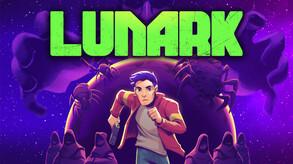
A pixel-art sci-fi adventure set in the midst of a rebellion against a totalitarian regime, LUNARK is a modern take on the 2D cinematic platformer genre of the '90s. Run, jump, hang, climb, roll, and shoot your way through gorgeous and mysterious locations!
Modeled estimate, not a reported figure. How we estimate →
Media

About

Stats
All-time low is the lowest price we've recorded for this game since we started tracking it.
Languages: English, French, Italian, German, Spanish - Spain
Engagement
Hours played at review time, across 43 reviews with recorded playtime.
Reviews
Themes across 43 recent reviews and how positive each mention is. A keyword signal, not full sentiment analysis.
positive critical· bar length = how often the theme comes up
Reviews
Espèce d’ode au cinématique platformer des années 90, Lunark en reprend malheureusement les principaux travers. Les animations sont relativement jolies, même si se sont des animations 3D downgradées en pixel art pour coller à l’univers. Le jeu dans l'ensemble reste assez laid pour un titre de 2023. J’ai bien compris que c’est fait exprès pour rappeler des jeux comme Another World voir Prince of Persia sous certains aspects, mais ce qui relevait du génie en 1990 est devenu désolant plus de trente ans plus tard. Le jeu n’est malheureusement pas rattrapé par sa maniabilité, qui est complètement au fraise. On se retrouve avec des phases de plate-forme demandant précision et rapidité, tout en ayant littéralement une seconde de latence entre le moment où l’on appuie sur le bouton et celui où le saut s’effectue. Le fait de devoir systématiquement recommencer plusieurs tableaux avant la "phase d’action" m’a finalement beaucoup trop frustré et m’a définitivement fait lâcher la manette. Dommage, ça aurait pu être un bel hommage aux classiques du genre, mais il ne fait finalement qu’en souligner les défauts. NB: j'ai dû faire la moitié du jeu sur mon steamdeck en mode hors ligne, un temps de jeu non pris en compte par Steam
LUNARK is a passionate revival of the cinematic platformer, a genre defined by deliberate movement, rotoscoped animation, and tense, methodical pacing. Developed by Canari Games and published by WayForward, it embraces the spirit of classics like Flashback and Another World while reshaping them with modern polish and a cohesive sci-fi atmosphere. The game follows Leo, a courier with a mysterious past, navigating a world on the edge of collapse. Humanity lives under a powerful regime, and a looming rebellion stirs beneath the surface. From the outset, LUNARK establishes a strong thematic identity — one of oppression, secrecy, and survival — conveyed not through heavy exposition but through environments, encounters, and subtle world-building layered into every location Leo visits. The most immediate strength of LUNARK is its visual and cinematic presentation. The rotoscoped animation gives Leo’s movements a sense of weight and realism uncommon in pixel-art games. Every action — climbing, rolling, hanging from ledges, leaping across gaps — feels grounded, almost tactile, as if the character’s physicality is a puzzle piece you must constantly take into account. The environmental art is equally striking. Across factories, prisons, alien landscapes, and sprawling futuristic cities, the game delivers rich, atmospheric backdrops bursting with detail. Combined with stylized pixel visuals and sharp lighting, each scene becomes a small work of art that supports the tension and scale of Leo’s journey. Even brief cutscenes, animated with a smoothness that echoes the genre’s origins, help stitch the story together with flair. As a cinematic platformer, LUNARK places great emphasis on precision and patience. Movement is intentionally measured rather than agile: Leo’s momentum matters, jumps require careful spacing, and hazardous rooms punish rushed decisions. Players accustomed to modern, highly responsive platformers may initially find this style restrictive, but once understood, its rhythm becomes rewarding. Each area becomes a choreographed sequence of running starts, timed rolls, deliberate climbs, and carefully placed shots. When a difficult segment finally clicks — combining navigation, combat, and puzzle-solving in a single fluid run — the sense of accomplishment is significant. This deliberate pacing invites players to observe more closely, strategize their approach, and savor the atmosphere rather than rushing through it. Combat and exploration complement the platforming without overwhelming it. Leo’s blaster functions on a cooldown system rather than ammunition, encouraging thoughtful firing rather than spammed shots. Enemies come in varied forms — drones, soldiers, environmental turrets, and more — requiring players to understand their patterns and time attacks effectively. Combat is rarely the centerpiece of the experience, but it adds urgency to the platforming, especially when combined with environmental hazards. Exploration, meanwhile, rewards attentiveness: secrets hidden in corners of the map offer health expansions or upgrades, and stages feature light puzzle-solving that blends naturally into platforming challenges. These elements enrich the game’s structure, preventing repetition and adding depth to each chapter. Narratively, LUNARK opts for a minimalist approach. Rather than inundating players with lore, it allows information to surface gradually, revealing pieces of Leo’s past and the world’s larger mysteries through small interactions, brief scenes, and contextual snippets. This restraint works to the game’s advantage, giving the world a sense of history without slowing the pace. The story’s emotional beats land effectively, driven more by tone and imagery than dialogue. As Leo uncovers the truths behind his own origins and the authoritarian world he inhabits, the narrative’s stakes become clear, culminating in moments that feel earned even without lengthy exposition. However, LUNARK’s uncompromising design is both its greatest strength and its most notable barrier. The controls, faithful to the cinematic platformer legacy, can feel unforgiving — especially in moments where combat, platforming, and environmental hazards overlap. Small errors may lead to sudden deaths, and the game expects players to learn its timing rather than adapt to theirs. For some, this strictness contributes to the game’s charm; for others, it may feel outdated or frustrating. Additionally, while the game’s length is tight and focused, some players may wish for more content or expanded narrative depth once the adventure ends. These critiques do not diminish the overall experience but highlight that LUNARK is a game built for a specific audience — those who appreciate patience, precision, and retro-inspired challenge. In the end, LUNARK stands as a thoughtful and lovingly crafted homage to a classic style of platforming that many modern games rarely attempt. Its beautiful pixel-art world, evocative animations, and carefully paced gameplay create a memorable sci-fi adventure rooted in atmosphere and skillful design. While its exacting controls and methodical movement may not appeal to everyone, players who embrace its rhythm will find a deeply satisfying experience that captures the essence of cinematic platformers while infusing them with fresh artistry. LUNARK is both a tribute and a statement — proof that this genre still holds power, beauty, and tension when crafted with care. Rating: 8/10
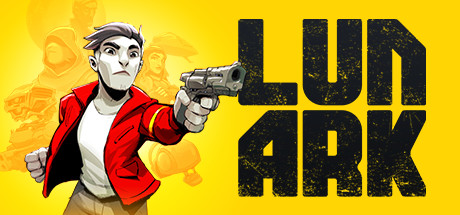
Jogo genial. Adorei que os créditos finais agradecem a Jordan Mechner, Eric Chahi e Paul Cuisset já que o jogo aqui é extremamente inspirado por Prince of Persia, Another World e, *PRINCIPALMENTE*, Flashback. Se você é fã do clássico Flashback, você vai adorar esse jogo. Flashback 2 foi uma decepção, esse jogo aqui deveria ter sido o Flashback 2 de verdade. Minha única *pequena* crítica é ao fato do jogo ser bem fácil, muito porque as mortes são bem inconsequentes: morrer te jogar umas 2 a 4 telas pra trás, mas com todos os objetivos alcançados sem resetar (todas as portas abertas seguem abertas, etc), por outro lado todos os items de cura são spawnados novamente. Isso realmente faz com que morrer não tenha nenhuma grande consequência, e não era assim no Flashback (ou no Another World ou no Prince of Persia). Mas nenhum deles eram exatamente muito difíceis também, e como esse jogo aqui é razoavelmente mais longo que o Flashback sem nunca se tornar cansativo ou longo demais, acaba sendo facilmente perdoável. Jogaço, altamente recomendável.
Aventuras gráficas al margen (es mi género y siempre lo fue), pocos juegos me despiertan tanta nostalgia como los “plataformas de acción cinemáticos”. Desde que el bendito Commodore Amiga irrumpió inesperadamente en mi existencia, desbordándola (jamás pensé, en aquel entonces, que mis padres me concederían ese sueño porque era un desembolso económicamente exigente), tanto Prince of Persia como particularmente Another World, con su desarrollo narrativo, su énfasis en la puesta en escena, su exigencia mecánica y su querencia por la animación rotoscópica, y especialmente Flashback, que perfeccionó aquella fórmula con un enfoque algo más ágil y pulp, devinieron en juegos de referencia para aquel jovenzuelo impresionable que no ha dejado de revisitarlos desde entonces. Esos referentes inspiraron a los Blackthorne, Bermuda Syndrome, Heart of Darkness e incluso Abe´s Oddysee, títulos más que interesantes que desde su propia personalidad intentaban replicar la esencia de aquellos juegos, con sus particularidades mecánicas. Hoy, décadas más tarde, ese género particular (el glorioso The Eternal Castle al margen, que supo replicar todas aquellas constantes perfectamente) es reinterpretado desde una sensibilidad quizás un tanto ajena (por implementar “vicios” actuales), si bien en su mayoría (y tampoco tenemos tantos exponentes, desafortunadamente) no pretenden reinventarlos o aún peor, “reimaginarlos”, lo cual desde mi percepción subjetiva es de agradecer. Lunark, el juego que nos ocupa, es heredero de aquella vocación. Es un modesto proyecto independiente financiado desde el micromecenazgo (Kickstarter específicamente, de una cuantía de poco menos de sesenta mil euros), desarrollado por el estudio canadiense (Ouch!) Canari Games y editado por los siempre interesantes WayForward (autores de la maravillosa franquicia Shantae). Narrativamente, durante sus doce niveles, intenta articular de forma interesante una trama de conspiraciones, traiciones, distopías, amenazas globales, apelaciones “furry” y algún que otro tropo poco original a estas alturas, que a su manera intenta retrotraer a Flashback en la distancia (es su referente principal a todos los efectos), desde una sencillez no demasiado brillante, si bien al menos funcional. No sorprende en absoluto pero sí mantiene cierta coherencia general desde un tono de ciencia ficción clásica que parece encajar bastante bien con su estética retro. Dicho lo cual, hay alguna coincidencia narrativa en su desarrollo que lleva la suspensión voluntaria de la incredulidad un tanto al límite (la fase once, sin ir más lejos). En la vertiente jugable Lunark es fiel a sus referentes y apuesta por un control deliberadamente rígido, quizás algo más de lo pertinente. Sí, hay saltos medidos, por supuesto (solo faltaría) e incluso alguno milimétrico, huidas a la carrera con limitaciones de tiempo (que exigen seleccionar y memorizar el recorrido más certero), un énfasis en la precisión más que en la agilidad (como está mandado), un diseño de niveles sólido (especialmente el nivel de la prisión), puzles bastante orgánicos, enfrentamientos bien planteados mecánicamente (la pistola puede ir mejorándose paulatinamente por cierto) y animaciones certeras que condicionan cada acción jugablemente porque una vez comienzan deben concluir antes de iniciar cualquier otra. Es decir, no podemos saltar mientras rodamos, disparar a medio salto, activar el escudo en movimiento y demás. Una debe terminar para que otra comience. Esta decisión mecánica, comprensible y pretendida por otra parte, reitero, va a sentirse algo áspera a poco que el género sea ajeno, e incide en la dificultad, especialmente para aquellos más acostumbrados a plataformas de acción o esquemas de control más actuales. Dicho lo cual, es un juego más asequible y en consecuencia menos exigente que sus referentes directos. Por bastante, diría. Siquiera es especialmente retador en los enfrentamientos específicos de según qué fases (la confrontación final me ha resultado francamente asequible, por ejemplo). No obstante el desarrollo si puede encallarse ligeramente, por las propias particularidades del género y especialmente por la implementación mejorable de sus puntos de control. Nunca queda realmente claro cuándo se salva el progreso. Diría que al comenzar una fase (obviamente. Es el momento perfecto para salir del juego) y a medio nivel. Cuando morimos (o decidimos abandonar el juego), reaparecemos en puntos específicos del nivel, prácticamente nunca en la estancia en la que fuimos abatidos o desde la que salimos al escritorio. Y es más desconcertante que frustrante porque los enemigos derrotados no reaparecen -los esquivados sí- y además nos obligan a volver a superar los retos específicos de un sin número de estancias (lanzacohetes, láseres, trampas). No es nada traumático por otra parte. Reitero, es un juego bastante accesible atendiendo a su género. La última fase de Flashback era infinitamente más demandante. Juraría que aquí parchearon por insistencia de parte de la comunidad. Como si lo viera… Técnicamente no media mayor reproche pero artísticamente tengo sentimientos encontrados. El juego destaca por un interesante pixel art, generoso en tamaño, con un “shading” (sombras, luces) detallado y con animaciones rotoscópicas que aportan legitimidad y coherencia visual. Hasta ahí bien, con sus limitaciones. Pero los modelados de los personajes son extraños de más, muy poco estilizados, incluso algo achaparrados, contrastando contundentemente con las secuencias “cinemáticas” e incluso con el recuerdo de aquellos títulos a los que intenta emular (Flashback, nuevamente, está a otro nivel). Los escenarios y localizaciones por su parte intentan (y consiguen) aportar cierta variedad y transmiten bastante bien la atmósfera distópica decadente. Hay niveles bastante más certeros que otros en diseño (la prisión o las cuevas, por ejemplo) pero en general cumplen de sobra. Todo el entramado sonoro, sin ser especialmente memorable, aunque sí interesante (los temas suelen ser pequeños fragmentos, diría, inspirados en sintetizadores, en bucle) acompaña convincentemente al desarrollo. Muy poco que objetar ahí. El rendimiento general es totalmente estable y sin el menor problema reseñable. Cinco horas de disfrute. En conclusión, Lunark nace como un tributo competente a un género muy específico, con particularidades muy marcadas y que exige una cadencia más sosegada de lo que se estila mayoritariamente hoy en día, especialmente a poco que medie comparación con otros géneros. No es un título que pretenda evolucionar absolutamente nada, aún menos revolucionar, y diría que jamás tuvo esa intencionalidad (nada más lejos de hecho), pero ofrece una experiencia honesta y nostálgica, muy cuidada en general, que satisfará de sobra a quienes añoramos las “aventuras de acción cinemáticas” clásicas noventeras. No es poco, eh. En absoluto. Uno de estos cada trimestre entraría como un tiro.
I'm a huge fan of Another World and other cinematic platformers from that time, like Flashback or Heart of the Darkness. While this title borrows heavily from these classic games, it feels inferior to them in every aspect and offers little innovation. Controls? Feel even clunkier than in older titles. Graphics? Lower sprite resolution than in older titles. Story and setting? Generic, older titles are much more creative and interesting. Conclusion? Better to play/replay 30-year-old games.
Le digne héritier de Flashback, qui en reprend les codes tout en respectant profondément notre temps. Difficulté très raisonnable, checkpoints abondants, animation et pixel art charmants, jouabilité qui évolue bien. Court mais tellement agréable! Bravo à l'auteur!
7/10
A chunky pixel throwback to the Cinematic Platformers of yore (particularly Flashback). Doesn't reinvent the wheel, but a short and solid nostalgia trip nonetheless.
A total FLASHBACK for me. I love the aesthetics. Fantastic work Canari Games!
Excellent cinématique plateformer, classique dans sa forme et dans son fond; parfait hommage aux jeux de ma jeunesse !
Related
Related
Trends
Modeled estimate over time, reconstructed from Steam's monthly review histogram.
Audience
Estimated from the language of this game's reviews — a proxy for where players are, not official Steam demographics.
Related
| Blooming Business: Casino | $134.4K | 230 | 70% | $19.99 |
| Burning Boundaries Part 1 | $134.4K | 466 | 87% | $14.99 |
| Frankie's FunClub | $134.4K | 251 | 65% | $14.99 |
| Bat to the Heavens | $134.4K | 415 | 95% | $14.99 |
| The Vale: Shadow of the Crown | $134.4K | 382 | 97% | $19.99 |
| The Fidelio Incident | $134.5K | 850 | 78% | $9.99 |