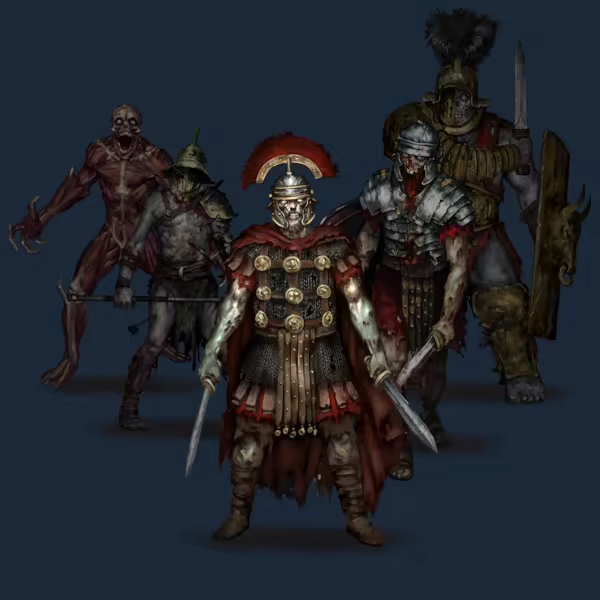
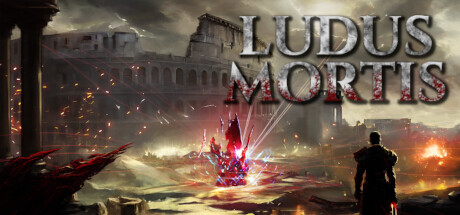
Grid-Based First Person Dungeon Crawler set in a Dark Fantasy version of the Imperial Rome. Create and develop your party, explore catacombs, manage your Gladiatorial School and fight demons and undead to free Rome. Inspired by old-school cRPG from the 80s and 90s.
Modeled estimate, not a reported figure. How we estimate →
Every price cut of more than 20% we have observed, in each market that quoted one, with this game's chart position on either side of it. These are episodes, not a model: a sale is one event, and one event cannot tell you what the next one will do.
For scale, across Steam · Top Sellers · Brazil over the last 30 days: the 26 chart moves that followed a price cut of more than 20% went a median of 7 places towards #1, and the 2,400 moves with no price cut behind them went 2 away. One store, one chart, one country — it is the only place we have enough observations to say even that.
Prices outside the United States have been collected since 6 August 2026 and chart positions since 19 July 2026, so a cut older than that has no market to compare and a market that joined later has no history yet. Nothing here is converted between currencies.
About


Sums Steam only; GOG publishes no volume signal, so the true total is higher by an unknown amount.
| Store | Price | Audience | Score | Chart | Est. revenue |
|---|---|---|---|---|---|
SteamYou are here | $4.49−75% | 98reviews | 88% | — | $8.6K |
| $5.39−70% | 25ratings | 80% | — | not modelled |
Matched by title — a reused name can pair the wrong games. * is a critic aggregate. Prices and positions are each store's United States storefront; Epic charts worldwide. Audience and Score too, except Steam's, which is worldwide.
Engagement
Reviews
Themes across 44 recent reviews and how positive each mention is. A keyword signal, not full sentiment analysis.
Reviews
Ludus Mortis, developed and published by 68k Studios, is a dungeon crawler that deliberately looks backward rather than forward, drawing heavily from the traditions of classic grid-based RPGs while framing its experience within a dark reimagining of ancient Rome. It doesn’t attempt to streamline or modernize its core ideas for mass appeal; instead, it commits to a slower, more methodical style of play that emphasizes planning, resource management, and tactical decision-making. This approach immediately sets expectations: this is a game built for players who enjoy systems-driven progression and are willing to engage with mechanics that demand patience and attention. The setting is one of the game’s more distinctive qualities. Instead of the usual medieval fantasy backdrop, Ludus Mortis takes place in a decaying Roman world overtaken by necromancy and supernatural forces. The Senate’s desperate attempt to cling to power through forbidden means has unleashed horrors that now infest the city’s underground, creating a grim, oppressive atmosphere that permeates every dungeon. You are not cast as a singular chosen hero, but rather as the manager of a gladiatorial school, training and deploying fighters into these dangerous depths. This framing adds a layer of detachment that feels appropriate for the setting, reinforcing the idea that survival is uncertain and individuals are expendable in the face of a larger struggle. Gameplay revolves around first-person, grid-based exploration combined with turn-based combat, a structure that will feel immediately familiar to fans of classic “blobber” RPGs. Movement is deliberate, with each step requiring consideration, especially in tight corridors where positioning can dictate the outcome of an encounter. Combat itself leans heavily on preparation and party composition. With a wide selection of classes available, each bringing different strengths and tactical roles, success often hinges on building a balanced team and understanding how their abilities interact. There is little room for improvisation once a fight begins, making the choices made before entering a dungeon just as important as those made within it. Beyond the dungeon itself, the management of your ludus plays a central role in progression. Resources gathered during expeditions are used to recruit new gladiators, craft equipment, and upgrade facilities, creating a loop that ties together preparation and execution. This system adds a sense of continuity and purpose, as each successful run contributes to strengthening your overall operation. It also introduces an element of long-term strategy, encouraging players to think not just about surviving the next encounter, but about building a sustainable roster capable of handling increasingly dangerous threats. The game’s depth is both a strength and a potential obstacle. It offers a wide range of interconnected systems—equipment management, stamina considerations, class synergies, and exploration risks—that create a rich tactical experience. However, it provides little in the way of guidance, expecting players to learn through experimentation and, at times, failure. Mistakes can be costly, and progress may require revisiting earlier areas to gather resources or improve your party. This design philosophy aligns closely with its old-school influences, but it can feel unforgiving for those accustomed to more forgiving modern RPGs. Replayability is supported by randomized loot and dungeon variability, ensuring that each expedition carries a degree of unpredictability. Finding new gear and optimizing your party composition becomes a central motivator, though the repetition inherent in this loop may not appeal to everyone. The game’s pacing is intentionally slow, and while this can enhance immersion and tension, it may also test the patience of players looking for a more dynamic or story-driven experience. Visually, Ludus Mortis opts for a stylized presentation that emphasizes atmosphere over technical complexity. The environments are dark and foreboding, filled with shadowy corridors and unsettling enemy designs that reinforce the tone of a world in decline. While the graphics are not particularly advanced, they serve their purpose well, maintaining clarity during exploration and combat. The interface, however, reflects its retro inspirations, which can make navigation and management feel somewhat cumbersome until you become familiar with its layout. In the end, Ludus Mortis is a focused and uncompromising take on the dungeon crawler genre. It delivers a deep, strategic experience that rewards careful planning and persistence, wrapped in a setting that offers a refreshing departure from typical fantasy tropes. Its refusal to cater to modern sensibilities may limit its appeal, but for players who appreciate the deliberate pace and complexity of classic RPG design, it provides a satisfying and immersive challenge that stays true to its roots. Rating: 8/10
Media

Related
Related
Price dynamics, follower growth, revenue and sales trajectories with interactive tooltips
This and every other Pro feature is free until October 20, 2026. A free account is all it takes.
Genres
Stats
All-time low is the lowest price we've recorded for this game since we started tracking it.
Languages: English, Italian, French
Hours played at review time, across 44 reviews with recorded playtime.
positive critical· bar length = how often the theme comes up
Best game in that style i've played so far. Quite challenging, interesting mechanics and amazing design, love that ancient Rome style
Bel dungeon crawler a tema antica Roma 👍 party full customizzabile 👍 stats points, lvl up, skill passive e attive 😬 un filino troppo grindoso 👎 alcune classi sono oggettivamente peggiori di altre e in end game diventano un peso Tutto sommato 6+/10 pieno soprattutto se volete grindare senza pensare troppo
A surprisingly competent little dungon crawler that doesn't overstay it's welcome. It might seem to be very hard at first but once you realize that the game is designed to be grinded a little bit (stay in the dungeon until food runs out and grind enemies. the xp and gold boni keep stacking for every consecutive fight) it becomes a breeze.
The one thing I feel this game fails at is that it made the combat turn-based. I like my Dungeon Crawlers live-action where the environment is part of the strategy. Outside of that the setup is unique, including the whole Ludus management mechanic.
Déçu malgré les commentaires positifs. - Graphiquement pas beau du tout. - Level design très pauvre. - Histoire prétexte. Tout ceci ne poserait aucun problème si le gameplay était cool mais malheureusement : - ça miss tout le temps au début du jeu, malgré les bonnes perks et armes, peut être que ça s'améliore ensuite mais je n'ai jamais compris ce game design. - très long d'exp, on perd 75% de son xp si on ne termine pas la quête du donjon ce qui fait qu'on ressort souvent avec un petit millier d'exp alors que dès le début pour débloquer certaines compétences il faut... 12 000 xp, ça se passe de commentaire, - pas moyen de regen efficacement sa mana, - certains mobs one shot, on ne sait pas pourquoi et t'es bon pour abandonner ta quête, Bref pour le moment j'ai pris du plaisir pendant 20' et ensuite full frustration, passez votre chemin.
Pretty fun blobber. A bit repetitive, and the use of enemies could have been a bit more creative and varied, but still fun exploration and some interesting design choices.
Excellent blobber all around.
If you like old school dungeon crawler this is a really solid game definitely worth the price when on sale. I like the roman backdrop instead of the standard fantasy fare and good variety of classes to toy around with. You do need to grind some levels to get the XP needed to keep moving forward which can get a bit tiresome. Overall solid B+ would love to see another game like this from the maker.
This is a dark, Roman Empire–themed spin on the classic Wizardry formula, and it absolutely nails that eerie sword & sorcery vibe. If games like The 7th Circle or Inferno hooked you, this feels like a natural successor, with atmospheric dungeons and a grim, horror-tinged aesthetic that’s pure catacomb-crawling bliss. It’s not flawless - the menu system is clunky, and the grind can drag down the pacing - but those issues don’t overshadow how much fun it is to carve your way through the shadows beneath Rome. If Roman Era dungeon crawling sounds like your jam, this one delivers.
Selling now
See how fast this game is selling right now — estimated copies and revenue per day from recent review growth.
Players by region
Where this game's players are, estimated from review languages.
Related
| Game | Estimated lifetime revenue | Reviews | Review score | Price |
|---|---|---|---|---|
| $68.9K | 646 | 78% | $4.99 | |
| $42.5K | 109 | 74% | $16.99 | |
| $39.3K | 77 | 81% | $15.29 | |
| $38.6K | 84 | 96% | $19.99 | |
| $38.1K | 111 | 95% | $13.59 | |
| $6.8K | 32 | 88% | $9.99 |
Related
| Game | Estimated lifetime revenue | Reviews | Review score | Price |
|---|---|---|---|---|
| $8.6K | 62 | 84% | $6.99 | |
| $8.6K | 63 | 54% | $3.99 | |
| $8.6K | 85 | 56% | $4.99 | |
| $8.6K | 63 | 79% | $8.99 | |
| $8.6K | 116 | 89% | $3.99 | |
| $8.6K | 58 | 98% | $7.99 |