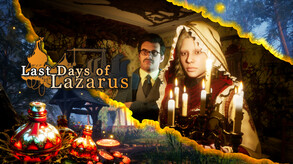
After their mother's suicide, Lazarus returns home to his sister Lyudmila. But unexplained events make the world and even reality collapse around him. Looming death, a spreading malediction and the supernatural threaten his sanity, yet Lazarus pushes forward to find the truth about his family.
Modeled estimate, not a reported figure. How we estimate →
Media

About

Stats
All-time low is the lowest price we've recorded for this game since we started tracking it.
Languages: English**languages with full audio support
Engagement
Hours played at review time, across 44 reviews with recorded playtime.
Reviews
Themes across 44 recent reviews and how positive each mention is. A keyword signal, not full sentiment analysis.
positive critical· bar length = how often the theme comes up
Reviews
[h1] Румынский Лазарь [/h1] Лазарь возвращается домой из-за плохих вестей – его мама умерла. Людмила, младшая сестра главного героя взялась за похороны, проторчала до позднего вечера на кладбище, так что Лазарь начал волноваться и поехал ей навстречу. А тут ещё и государственный переворот начинается, и какая-то чертовщина творится в квартире умершей матери, да и по всей стране начинают вспыхивать очаги неизвестной агрессивной заразы. Развитие сюжета в этой игре вызывает удивление. Шараханья от мистики в местячковый киберпанк и оттуда – в религиозные раздумья могут отпугнуть. Этот разработчик любит религиозные размышления, но порой перебарщивает с пафосом. Хотя... может, это просто я – старый зануда. Игра от Darkania Works – это атмосферная и причудливая история с румынским колоритом. С точки зрения жанра, Last Days of Lazarus – это симулятор ходьбы с элементами квеста. На нескольких уровнях нам предстоит разгадать ряд головоломок с помощью применения найденных предметов. Иногда нужно и слегка пошаманить с переключателями и вентилями. Вообще, Last Days of Lazarus – это расширенная версия предыдущей игры от этой студии – The Unluckiest Man, только если там был один уровень, по которому надо было бродить туда-сюда-обратно, то здесь у нас таких уровней несколько и ряд локаций очень большие. Помимо основных головоломок, в игре есть и необязательные. С ними дело обстоит то же – надо найти определённый предмет и поставить на нужное место ну и тыкнуть в пару кнопок. В награду за решение дополнительных головоломок выдаётся кусочек общего лора или коллекционный предмет. Также на локациях разбросаны и другие коллекционные предметы и записки. Игра вроде и небольшая и головоломки довольно простые, но от игрока требуется высокая внимательность и усидчивость. Туда-сюда по уровням в поисках необходимого для решения загадки предмета бродить придётся очень много. И часто просто непонятно, что игра от тебя хочет. Просто ходишь и тыкаешь в любой предмет, который попадётся на глаза. С решением головоломок та же проблема. Установил все необходимые предметы, тыкнул во все доступные кнопки и... что дальше? А иногда, из-за особенностей движка игры, не видно оставшегося переключателя. Я так трижды заново проходил один уровень, думая, что как-то сломал головоломку, а оказалось, что переключатель так слился с фоном, что его не было видно. Да и многие предметы не сразу становятся доступны для подбора, а то и просто появляются на своих местах после срабатывания скрипта. Казалось, уже всё везде осмотрел, а потом смотришь – а на дереве гриб «вырос», который как раз и нужен для головоломки. Кстати о картинке. Локации на загляденье. Очень красиво и сочно проработан каждый уровень. Что безумно красивые локации на природе со снегом, лесом, цветами и заросшими заброшенными домами; что погружённые в непонятную заразу с чертовщиной квартиры, в которых трупы буквально вросли в пол и мебель. Второе – да, гадость, мерзость, но сделано довольно хорошо! В то же время слишком много ярких поверхностей, с большим количеством источников света. С мерцаниями и засветами в игре надо разработчику что-то делать. Да и модельки персонажей выглядят... странно. Но тут уж опять виноват движок игры. В общем, Last Days of Lazarus – это довольно интересный симулятор ходьбы с простенькими головоломками, но неочевидными требования по их решению. Картинка очень красивая, но из-за плохой работы со светом, некоторые детали не видны. Сюжет порой очень бредовый и уносит его в странные темы, но всё равно наблюдать за его развитием интересно.
I am thoroughly enjoying this adventure, a deeply textured story with many mysteries to explore and solve, well designed and well built, compliments to the Dev team...
⣿⣿⡻⠿⣳⠸⢿⡇⢇⣿⡧⢹⠿⣿⣿⣿⣿⣾⣿⡇⣿⣿⣿⣿⡿⡐⣯⠁ ⠄⠄ ⠟⣛⣽⡳⠼⠄⠈⣷⡾⣥⣱⠃⠣⣿⣿⣿⣯⣭⠽⡇⣿⣿⣿⣿⣟⢢⠏⠄ ⠄ ⢠⡿⠶⣮⣝⣿⠄⠄⠈⡥⢭⣥⠅⢌⣽⣿⣻⢶⣭⡿⠿⠜⢿⣿⣿⡿⠁⠄⠄ ⠄⣼⣧⠤⢌⣭⡇⠄⠄⠄⠭⠭⠭⠯⠴⣚⣉⣛⡢⠭⠵⢶⣾⣦⡍⠁⠄⠄⠄⠄ ⠄⣿⣷⣯⣭⡷⠄⠄⢀⣀⠩⠍⢉⣛⣛⠫⢏⣈⣭⣥⣶⣶⣦⣭⣛⠄⠄⠄⠄⠄ ⢀⣿⣿⣿⡿⠃⢀⣴⣿⣿⣿⣎⢩⠌⣡⣶⣿⣿⣿⣿⣿⣿⣿⣿⣿⣿⣆⠄⠄⠄ ⢸⡿⢟⣽⠎⣰⣿⣿⣿⣿⣿⣿⢀⣾⣿⣿⣿⣿⣿⣿⣿⣿⣿⣿⣿⣿⣿⣦⠄⠄ ⣰⠯⣾⢅⣼⣿⣿⣿⣿⣿⣿⡇⣾⣿⣿⣿⣿⣿⣿⣿⣿⣿⣿⣿⣿⣿⣿⣿⡄⠄ ⢰⣄⡉⣼⣿⣿⣿⣿⣿⣿⣿⢸⣿⣿⣿⣿⣿⣿⣿⣿⣿⣿⣿⣿⣿⣿⣿⣿⣧⠄ ⢯⣌⢹⣿⣿⣿⣿⣿⣿⣿⣿⢸⣿⣿⣿⣿⣿⣿⣿⣿⣿⣿⣿⣿⣿⣿⣿⣿⣿⠄ ⢸⣇⣽⣿⣿⣿⣿⣿⣿⣿⣿⠸⣿⣿⣿⣿⣿⣿⣿⣿⣿⣿⣿⣿⣿⣿⣿⣿⣿⠄ ⢸⣟⣧⡻⣿⣿⣿⣿⣿⣿⣿⣧⡻⣿⣿⣿⣿⣿⣿⣿⣿⣿⣿⣿⣿⣿⣿⣿⣿⠄ ⠈⢹⡧⣿⣸⠿⢿⣿⣿⣿⣿⡿⠗⣈⠻⣿⣿⣿⣿⣿⣿⣿⣿⣿⣿⣿⣿⣿⡇⠄ ⠄⠘⢷⡳⣾⣷⣶⣶⣶⣶⣶⣾⣿⣿⢀⣶⣶⣶⣾⣿⣿⣿⣿⣿⣿⣿⣿⣿⠇⠄ ⠄⠄⠈⣵⣿⣿⣿⣿⣿⣿⣿⣿⣿⣿⢸⣿⣿⣿⣿⣿⣿⣿⣿⣿⣿⣿⣿⣿⠄⠄ ⠄⠄⠄⠸⣿⣿⣿⣿⣿⣿⣿⣿⣿⣿⠘⣿⣿⣿⣿⣿⣿⣿⣿⣿⣿⣿⣿⠇⠄⠄
Last Days of Lazarus is a polarizing indie title that acts as a classic example of a "love it or hate it" experience. The game’s biggest strength is its setting & visuals and if you appreciate ambitious, experimental storytelling and a unique aesthetic, there is a core here worth experiencing. The story mixes historical trauma, politics, and religious iconography with bizarre supernatural elements. The interior design of the family apartment is excellent which feels like a lived in, cluttered space rather than a generic game level. When the game focuses on these intimate environments, it excels at world building. The negatives where it struggles is the game is rough around the edges. The dialogue and voice performances are weak which can undercut the emotional weight of the more serious, dramatic scenes. The story feels disjointed making it more melodramatic than profound. But if you are a fan of narrative horror and value beautiful atmosphere and unique settings over polished mechanics and forgive the rough edges of an indie production, go for it. But, if you prefer tight gameplay, high quality voice acting, or a cohesive, grounded plot or get easily frustrated by clunky UI, then its not for you. It’s definitely not perfect, but it is an honest, strange, and refreshing attempt by an Indie production at something different in a market often crowded by generic horror.
Last Days of Lazarus is a slow-burning narrative adventure that leans heavily into atmosphere, symbolism, and psychological unease rather than conventional horror mechanics. Developed by Darkania Works and GrimTalin and published by GrimTalin, the game presents itself as an introspective journey through grief, faith, and societal collapse, filtered through a distinctly Eastern European lens. Rather than attempting to frighten players with constant threats or combat, it focuses on creating a persistent sense of dread through environmental storytelling and surreal escalation. The story follows Lazarus, a man returning to his childhood home after the suicide of his mother, hoping to reconnect with his sister and find some sense of closure. From the outset, the narrative frames this return not as a healing process but as the beginning of a deeper descent. Familiar domestic spaces feel oppressive rather than comforting, and the line between reality, memory, and hallucination quickly begins to blur. As Lazarus explores apartments, streets, forests, and abandoned industrial spaces, the world itself seems to rot and fracture alongside his mental state, turning personal grief into something cosmic and unsettling. Gameplay is deliberately restrained, placing exploration and observation at the forefront. Players move through environments in first person, examining objects, collecting items, and solving simple puzzles that usually involve locating keys or triggering environmental changes. These mechanics are intentionally minimal, ensuring that nothing distracts from the game’s tone and narrative intent. While the puzzles rarely challenge mechanically, they encourage players to slow down and absorb their surroundings, reinforcing the sense that every location is steeped in meaning rather than functioning as a traditional obstacle course. The environments themselves are one of the game’s strongest elements. The post-Soviet setting feels grounded and bleak, with crumbling buildings, snow-covered streets, and decaying interiors that communicate a sense of abandonment and despair. As the game progresses, these spaces become increasingly distorted, introducing grotesque imagery and supernatural elements that feel less like jump-scare horror and more like manifestations of psychological and spiritual collapse. This gradual transformation is effective, making the horror feel earned rather than abrupt. Narratively, Last Days of Lazarus is ambitious and unapologetically abstract. It blends personal trauma with broader themes such as religious guilt, political disillusionment, and existential fear, drawing heavily on Orthodox Christian symbolism and post-communist anxieties. The story does not explain itself clearly, instead relying on implication, metaphor, and fragmented dialogue. For some players, this ambiguity enhances the experience, inviting interpretation and reflection. For others, it can feel confusing or uneven, particularly as the narrative shifts further into surreal territory and abandons linear logic. Sound design plays a crucial role in sustaining immersion. Ambient noises, distant echoes, and unsettling environmental sounds create constant tension, even during moments of apparent calm. Music is used sparingly, allowing silence and environmental audio to carry emotional weight. Voice acting, however, is more inconsistent. While it adds personality and context to characters, performances sometimes lack the emotional intensity needed to fully sell dramatic moments, which can slightly undermine the impact of key scenes. Pacing is another aspect that may divide players. The game moves slowly, often asking players to wander through spaces with minimal direction. This reinforces the feeling of isolation and disorientation but can also lead to moments where progress feels unclear or momentum stalls. Backtracking is occasionally required, and objectives are not always well signposted, which may frustrate players who prefer clearer guidance or more interactive variety. From a technical standpoint, the game shows the limitations of its indie scope. Animations can feel stiff, interactions somewhat clunky, and the overall experience is relatively short, typically lasting only a few hours. There is little incentive for replay beyond revisiting the story and atmosphere, as the narrative unfolds largely the same way each time. However, the compact length also prevents the game from overstaying its welcome, keeping its emotional impact concentrated. Ultimately, Last Days of Lazarus is a flawed but memorable experience that prioritizes mood and thematic depth over mechanical complexity. It is best approached not as a traditional horror game, but as an interactive psychological and spiritual meditation on loss, faith, and decay. Players seeking action, challenge, or clear answers may come away unsatisfied, but those drawn to atmospheric storytelling and unsettling symbolism will find a haunting journey that lingers long after the final scene fades. Rating: 8/10
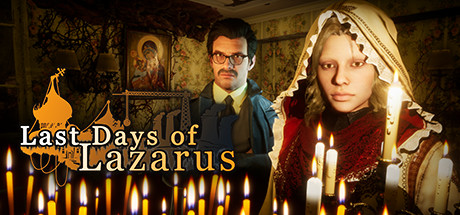
[h1] PROS: [/h1] [list] [*] Visually appealing graphics with strong atmosphere. [*] An interesting core story with some intriguing ideas. [*] Excellent world design, especially the Eastern European / Orthodox Church aesthetic. [*] Decent voice acting. [*] A handful of puzzles are genuinely creative and enjoyable. [/list] [h1] CONS: [/h1] [list] [*]During the first two acts, the intense camera movement, shaking, and lighting effects gave me a severe headache, something that has never happened to me in any other game. [*] Missing or unclear objectives make progression frustrating, especially since the previous game handled this much better. [*] Too often the game turns into randomly walking around and clicking on things just to figure out what to do next. [*] Some puzzles are vague or poorly explained, making them more annoying than challenging. [*] Character models look stiff, robotic, and unnatural. [*] The mix of science fiction, paranormal elements, and religion feels messy and unfocused. It would have been far stronger if it committed to just religion and communism. [*] The setting is inconsistent and immersion-breaking, the protagonist lives in Russia yet somehow travels to places like Bran and back in a single day during the communist era. [*] Interactive objects are highlighted, but the outline is so subtle that it’s easy to miss them. [*] The story pacing is terrible, with long stretches of slow or confusing progress followed by rushed developments. [*] Cutscenes cannot be skipped, making replaying chapters tedious and frustrating. [/list] [h1] OVERALL: [/h1] I bought this game on sale, but I still regret it. I genuinely loved the first one, it had a strong identity, better pacing, and clearer design decisions. This sequel feels like it tries to be bigger and more ambitious, but ends up being more confused, less focused, and far more frustrating to play. The world design, atmosphere, and themes of religion and Eastern European decay are genuinely interesting, and at times you can feel the potential of something dark, surreal, and memorable. But that potential is constantly undermined by poor pacing, unclear objectives, and gameplay that often turns into aimless wandering and clicking rather than meaningful exploration or puzzle-solving. The story also tries to do too much at once. Mixing sci-fi, paranormal elements, religion, and political themes could have worked, but instead it feels messy and unfocused. Instead of strengthening the narrative, it weakens it by diluting what could have been a powerful and coherent setting.
Lord God of our salvation, Son of the living God, who is carried on the cherubim, who is above all beginning and power and might and dominion: You are great and terrible above all that is around You: You are the One who created the earth in Your fortress, and Who corrected the universe in Your wisdom: you shook the celestial empire from its foundations, but its pillars are motionless: speak to the sun, and it will not shine, but impress the stars: forbid the sea, and dry it up: its fury melts the beginnings and powers, and the stone is made from You. Thou hast broken the brass gates, and broken the iron chains: thou hast bound the strong, and shattered his vessels: thou hast overthrown the tormentor with thy cross, and thou hast drawn the serpent with the bait of thy incarnation, and thou hast bound him with the bonds of darkness in Tartarus. O Lord, drive out and turn into flight all the diabolical works, and all the satanic suggestions, and all the curses of the opposing and hostile forces, from this house, and from those who are possessed by it, and
The world needs more games like this. Unique style and a welcome return to semi-traditional adventure games. The raw homemade feel only adds to the charm.
This is one of those times I wish steam had a rating system that wasn't just thumbs up or down, but can receive a number rating. I would say this is a solid 6/10. Maybe a 6.5... I recommend it CONDITIONALLY. If you have experience with walking sims and know you like it, this is worth a try. Additionally, if you're religious I will bet there's some additional appeal. I wish I liked it more but here are some points: -Voice acting was HORRIBLE. Thankfully the main character wasn't so bad -Models were stiff and spoke telepathically, which works well for the ghostly figures but not for any humans, which ultimately takes away from that as a device -The progression felt a little bit odd sometimes, I would do somethings and not be able to progress, then would have to walk around and figure out what bottle of pills or poster I hadn't clicked to carry on -To avoid spoilers, the end message was too preachy I liked the puzzles a fair amount and some of the setting was very beautiful and well thought out.
Am terminat recent *Last Days of Lazarus* și pot spune că a fost o experiență foarte reușită. Atmosfera jocului este excelent construită, cu un vibe misterios și apăsător care te ține prins de la început până la final. Povestea este interesantă și bine spusă, iar elementele vizuale și sonore contribuie enorm la imersiune. Nu am întâmpinat probleme tehnice, totul a mers foarte bine pe parcursul jocului, ceea ce a făcut experiența și mai plăcută. Se vede atenția la detalii și pasiunea echipei pentru proiect. Per total, un joc foarte mișto, pe care îl recomand celor care apreciază aventurile narative și atmosfera dark. Aștept cu interes viitoarele proiecte de la dezvoltatori – dacă păstrează același nivel de calitate, sigur vor livra ceva și mai tare! ~ 老板 Șnițel
Related
Related
Trends
Modeled estimate over time, reconstructed from Steam's monthly review histogram.
Momentum
Pace estimated from the game's recent review growth (our daily snapshots) at its own sales-per-review ratio — a momentum signal, not booked sales.
Audience
Estimated from the language of this game's reviews — a proxy for where players are, not official Steam demographics.
Related
| Starpoint Gemini | $8.2K | 155 | 33% | $1.39 |
| The Inner Darkness | $8.2K | 108 | 72% | $4.99 |
| Hippocampal: The White Sofa | $8.2K | 96 | 34% | $4.99 |
| Drive to Hell | $8.2K | 72 | 76% | $4.99 |
| Visitors | $8.2K | 72 | 50% | $4.99 |
| Achromatic | $8.2K | 108 | 76% | $4.99 |