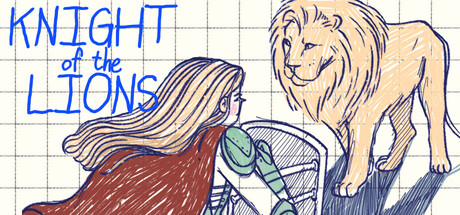
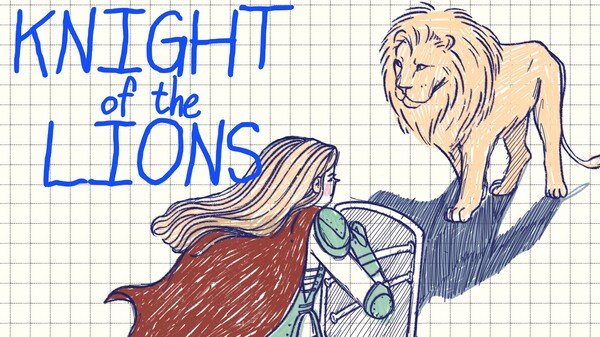
Help Vita, a teenage girl, piece her shattered world back together as she discovers that being a knight isn’t about wearing a suit of armor.
Modeled estimate, not a reported figure. How we estimate →
Media

About

A story-driven puzzle-platformer about loss and healing
Short, emotional journey
Simple mechanics, challenging situations, meaningful choices
A hand-drawn world that feels like pages of a diary come to life
Inspired by the story of Don Quixote
Genres
Stats
All-time low is the lowest price we've recorded for this game since we started tracking it.
Languages: English*, Russian, Ukrainian*languages with full audio support
Reviews
不记得当初是缘何将本作添加到愿望单里了,只晓得这作从23年跳票到24年,再从24年跳票到25年,25年快要到底时终于落地了。我原本期待人家可能止步于一个《堂吉诃德》式的故事;不过,我没有想过这部作品会如此大胆地讲述战争和创伤。想必这作从开发到落地,经历了许许多多的坎坷,她做到了 主角叫“Vita”,拉丁语“生命”。她操着一口并不流利还带一点东欧口音的英语[spoiler](那是她在逃难生活中学会的)[/spoiler];和很多平台跳跃的主角都不一样,她连跳跃、冲刺、滑翔等基础能力都蹒跚学步。玩这部作品的过程中,我第一个能用来形容她的单词就是“vitality”——优雅、伤感、内心强大。我能从她身上看出很多强大前辈的影子;她没有败给被战火所摧毁的过去,反而在流亡落魄的岁月中找到了新的落脚点、去迎接新的开始。玩的过程中,触动尤甚的点有这三个:[spoiler]昔日自己随便画下的可爱人物,化为了攻击自己的可爱怪物。给曾经的挚友发消息倾诉衷肠,随后马上听见对方手机的提醒铃声,方知对方已经亡故。上一秒各色用圆珠笔画出来的烟花尚在绽放,下一秒绽放的成了空袭的弹片。[/spoiler]这其中一切的美好、一切的残酷和一切的悲伤,全都写进这本日记——虽然很个人化,虽然表达有些生涩,但是情感饱满而惊艳。
This game is a beautiful narrative experience with some tight platforming and tricky trial and error gameplay. It genuinely made me cry and I had a blast playing through it. If you have a few moneys and hour spare I would highly recommend it.
Knight of the Lions, developed and published by Eugene Zubko, is a 2D narrative-driven platformer that blends thoughtful puzzle design with a quiet, emotionally grounded story. Rather than presenting a conventional medieval adventure filled with combat and heroics, the game uses the imagery of knighthood as a metaphor for resilience and personal growth. At the center of the experience is Vita, a teenage girl navigating a world that feels fractured both physically and emotionally. Her journey is less about defeating enemies and more about rebuilding herself piece by piece. The gameplay focuses on precise platforming interwoven with environmental puzzles. Movement mechanics are straightforward—running, jumping, interacting with objects—but the challenges gradually increase in complexity as players advance. Early sections introduce core mechanics gently, allowing players to acclimate to the physics and pacing. As the story unfolds, puzzles become more layered, often requiring careful observation of the environment and thoughtful timing rather than reflex-heavy action. The deliberate pacing encourages players to slow down and absorb the atmosphere rather than rush toward the next checkpoint. One of the game’s defining strengths is how seamlessly it ties its mechanics to its emotional themes. Obstacles often feel symbolic, reinforcing the narrative’s focus on overcoming internal struggles. The progression system does not rely on unlocking flashy new abilities; instead, it deepens the player’s understanding of space and timing. This creates a sense of growth that mirrors Vita’s personal journey. The difficulty curve remains fair, rarely punishing players excessively, and checkpoints are placed thoughtfully to maintain momentum without diminishing the challenge. Visually, Knight of the Lions adopts a hand-drawn art style that evokes the feeling of a living sketchbook. Environments appear soft and intimate, with carefully composed backgrounds that blend whimsy and melancholy. The visual design avoids excessive detail in favor of expressive simplicity, allowing each scene to feel purposeful. The color palette shifts subtly to reflect changes in tone, reinforcing emotional beats without the need for heavy dialogue. Animation is understated but fluid, enhancing immersion without distracting from the overall aesthetic. Sound design complements the visual presentation with a restrained, atmospheric soundtrack. Music is used sparingly, often allowing ambient sounds to carry quieter moments. When the score swells, it underscores key narrative points, adding emotional weight without overwhelming the experience. This balance between silence and melody reinforces the contemplative nature of the game. Narratively, the story unfolds through environmental storytelling and subtle cues rather than lengthy exposition. Vita’s internal struggles are conveyed through the world itself, encouraging players to interpret events and symbolism. The writing remains minimal, trusting the player to connect the dots. This approach creates a reflective tone that may resonate strongly with players who appreciate games that explore introspection and healing rather than grandiose plot twists. The scope of Knight of the Lions is intentionally compact. It does not aim for dozens of hours of gameplay or sprawling level design. Instead, it delivers a focused, curated experience that can be completed in a relatively short time. While this brevity limits replay value, it also ensures that the pacing remains tight and purposeful. There are no filler stages or unnecessary mechanics—each segment contributes to the overall arc. Ultimately, Knight of the Lions stands as a heartfelt indie platformer that prioritizes emotional storytelling and artistic cohesion over spectacle. It offers measured gameplay, thoughtful puzzles, and a distinctive visual identity that supports its introspective themes. Players seeking fast-paced action or combat-heavy sequences may find it restrained, but those drawn to reflective narratives and carefully crafted platforming challenges will likely appreciate its sincerity and subtlety. Within its focused scope, it succeeds in delivering a meaningful and memorable journey. Rating: 6/10
Too hard for such genre, no any difficulty levels, just wasting time. But great graphics and idea
A great and very emotional narrative platformer which tells the personal story of a girl in the context of a present day real life war. The notebook artstyle is great and works perfectly with the narration, complemented by very good voice acting. The platforming gameplay has some kind of a twist, as you normally can't jump or dash, you get those abilities for a short time when you touch some colored blocks, so there's some puzzle elements since you often have to find out the correct way to proceed. Since many sections are timing-based some parts could be a little frustrating and require much precision, but nothing too difficult since there's plenty of checkpoints. Despite the short length, there's quite a bit of variety in the gameplay, including some minigames.
My brain is not wired to properly execute the dash jump up :S
:´(
TBH the platforming part is really hard and frustrating since the error tolerance is ultra low. But the story part feels good.
This is so vividly real. I know that, not firsthand, but from a close friend from Ukraine. This game conveys the feelings of pain and struggle and helplessness really well. It's a masterpiece. Thanks to the dev for sharing this story. I truly believe it's a valuable message. The gameplay went a bit too hard and too pixel-precise for my taste, but I felt like I had to hear the whole story, even if it offered little to no knew perspective to me personally. But a little struggle with passing a level or two is nothing compared to what the people amidst the war went through.
Related
Related
Trends
Concurrent players on Steam, sampled daily since tracking started.
Related
| 7 Days to Die | $425.3M | 403.5K | 87% | $44.99 |
| Euro Truck Simulator 2 | $421.6M | 932.1K | 97% | $19.99 |
| Mount & Blade II: Bannerlord | $309.8M | 293.9K | 88% | $49.99 |
| Palworld | $279.6M | 445.8K | 94% | $20.99 |
| Clair Obscur: Expedition 33 | $263.7M | 178K | 95% | $47.99 |
| The Forest | $254.8M | 678.5K | 96% | $19.99 |
Related
| Rustled Pete | $1K | 74 | 97% | $2.99 |
| Millennium 2 - Take Me Higher | $1K | 57 | 82% | $0.79 |
| Powernaut VANGARDT | $1K | 51 | 73% | $0.99 |
| in My MIND. | $1K | 51 | 86% | $0.99 |
| Jade's Journey 2 | $1K | 55 | 62% | $0.79 |
| Fiery Disaster | $1K | 56 | 54% | $0.69 |