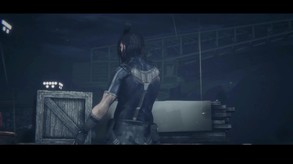
HUNDRED FIRES: The Rising of Red Star – Episode 1 is the opening installment of an independent stealth-action trilogy developed by David Amado Fernández and published by Naili Studio. Built around infiltration mechanics, Cold War-inspired political tension, and tactical gameplay, the title aims to deliver an experience that values patience and planning over raw firepower. Rather than following the formula of traditional military shooters that reward aggressive playstyles, Episode 1 places players into situations where caution, awareness, and careful decision-making become the keys to survival.
The story introduces Valero Montenegro, an operative pulled into a dangerous mission connected to international conflict and nuclear threats. Set against an alternate Cold War backdrop, the narrative revolves around covert military operations involving secret weapons programs, hidden agendas, and escalating geopolitical instability. Montenegro enters hostile territory with objectives that quickly evolve into something far larger than a simple infiltration assignment. The game uses this backdrop to establish tension while gradually introducing mysteries that serve as the foundation for later episodes.
One of the most noticeable aspects of the game is its approach to stealth design. Players are encouraged to move slowly, study patrol patterns, and think strategically before advancing. Enemy soldiers cannot simply be overwhelmed through constant combat. Running directly into dangerous situations usually leads to failure, reinforcing the idea that intelligence matters more than force. The gameplay consistently rewards patience, whether players are hiding behind cover, avoiding enemy vision, or choosing the safest route through restricted locations.
The pacing embraces older stealth design philosophies where tension develops through uncertainty rather than nonstop action sequences. There are moments where players must remain hidden for extended periods, carefully observing movement patterns and waiting for opportunities to advance. This slower style may not appeal to players expecting rapid-fire combat encounters, but it creates a stronger sense of vulnerability that aligns well with the game’s infiltration-focused identity.
What helps HUNDRED FIRES stand apart from more straightforward military stealth experiences is its unusual tone. While the game deals with serious subjects involving espionage and political conflict, it occasionally introduces exaggerated situations and unconventional humor that create surprising contrast. Certain moments lean toward cinematic drama while others embrace absurdity. This combination gives the game a distinct personality that prevents it from feeling entirely predictable.
Mission design encourages experimentation without overwhelming players with complexity. Various situations offer opportunities to approach objectives differently depending on individual playstyle. Equipment management, positioning, and environmental awareness all contribute to progression. The systems themselves remain relatively straightforward, but they work effectively within the smaller scope of the project. The emphasis remains on executing infiltration successfully rather than mastering large numbers of mechanics.
The atmosphere benefits from environments that communicate danger effectively. Military compounds and enemy-controlled locations feel appropriately hostile, reinforcing the tension associated with covert operations. Exploration becomes naturally engaging because moving through these areas carries constant risk. Every successful infiltration creates satisfaction not through destruction, but through precision and discipline.
Visually, Episode 1 reflects its independent development origins. It does not compete with large-budget productions in technical presentation, but it remains focused on supporting gameplay clarity. Enemy visibility remains functional, environments remain readable, and the visual direction stays consistent throughout the experience. The presentation serves its purpose without distracting from the tactical focus.
Audio design contributes positively to immersion as well. Sound awareness becomes important during infiltration scenarios, helping reinforce stealth mechanics naturally. Enemy activity, environmental noise, and mission tension combine to create moments where careful listening becomes nearly as important as visual awareness. These smaller details help strengthen the overall experience.
Story presentation also deserves recognition for its ambition. Cinematic sequences attempt to give Montenegro’s mission larger significance beyond objective completion. Narrative progression introduces mystery and escalating stakes designed to encourage continued investment throughout the trilogy. While production limitations occasionally become visible, the effort to build a memorable narrative remains clear.
The game is not entirely without flaws. Players familiar with major stealth franchises may notice simpler enemy behavior systems and fewer advanced mechanics. Certain areas could benefit from greater depth or additional polish. The unconventional tonal shifts may also divide players depending on expectations. Some may appreciate the unusual balance between military tension and exaggerated storytelling, while others may prefer a more grounded presentation.
Even with those shortcomings, HUNDRED FIRES: The Rising of Red Star – Episode 1 succeeds because it commits fully to its own vision. It avoids becoming a generic action shooter and instead focuses on creating tactical gameplay built around observation, infiltration, and careful planning. The slower pacing and stealth emphasis create a distinctive experience that rewards methodical play.
David Amado Fernández and Naili Studio deliver an opening chapter that establishes intriguing narrative foundations while introducing gameplay systems that remain consistent with the game’s tactical identity. The combination of espionage themes, stealth-focused design, cinematic ambition, and unconventional personality gives Episode 1 an identity that stands apart from many independent military action titles.
Players who appreciate infiltration gameplay, strategic movement, and older stealth design principles will likely find value here. While it may not redefine the genre, HUNDRED FIRES: The Rising of Red Star – Episode 1 delivers enough tension, personality, and focused design to make Montenegro’s first mission worth experiencing.
Rating: 7/10