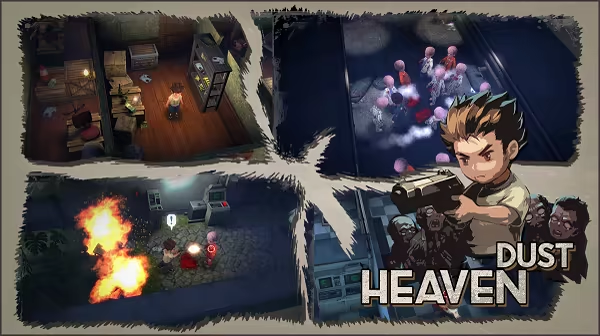
When you awake, you find yourself in a mansion, where was the secret research center, is now a maze full of horrible zombies and deadly traps. You'll have to escape by overcoming your fears, collecting items, solving innovative puzzles and revealing the cruel truth.
Modeled estimate, not a reported figure. How we estimate →
About


Stats
All-time low is the lowest price we've recorded for this game since we started tracking it.
Languages: English, Simplified Chinese, German, Russian, Japanese, Korean, Traditional Chinese, Hungarian, Portuguese - Brazil
Engagement
Hours played at review time, across 42 reviews with recorded playtime.
Reviews
Themes across 42 recent reviews and how positive each mention is. A keyword signal, not full sentiment analysis.
positive critical· bar length = how often the theme comes up
Reviews
Decent Resident Evil-lite. Hardly anything ground breaking. Puzzles are good, mansion is fun to explore. Combat really isn't anything special, having only a pistol that you upgrade over the game. The horror is very light, don't bother playing if you're looking for spooks. Story is very much your typical RE-esque bioweapon stuff. If you have an itch for a survival horror game without the horror, try it out.
Индюшачий РЕ без бюджета и без хорор составляющей, на пару вечеров норм, если смотреть все концовки и пылесосить весь комплекс уйдет часов 5-6. Но по итогу игру можно за спидранить за 30 минут.
Gosto muito desse jogo, o foco aqui é mais tático (nos combates) do que estratégico (foco na exploração), ao contrário de seu antecessor espiritual. Apesar da diferença de proposta, creio que os apreciadores da série Resident Evil original ("Biohazard" e suas sequências) também irão apreciar o Heaven Dust. E do Heaven Dust eu gostei mais do cenário da "Mansão" do que o do "Laboratório", primeiro título da série (lembrando que é possível jogar o Heaven Dust sem ter jogado outros jogos do gênero). Eu disse que este jogo é mais tático do que estratégico, mas é claro que há estratégia envolvida, tanto no gerenciamento dos inventários, recursos e munições quanto nas relações de engajamento com os enigmas do mapa. O jogador pode optar por apenas enviar o personagem para o combate ou participar da exploração e, escolhendo lutar em campo, não basta somente manobrar o herói, usar mesas e colunas como cobertura e atirar no momento certo, mas antes é preciso observar os pontos conhecidos do mapa (cuja boa parte é ocultada a princípio) escolher o caminho e o que atacar, então não são apenas decisões de curto prazo, mas mesmo em campo, e quem jogar vai sentir, é preciso tomar decisões de longo prazo. Imagino que, pelo fato de o Resident Evil 1 clássico ser mais voltado para a busca de chaves e para a resolução de mistérios, sendo a batalha em si um desfecho, em muitos aspectos ele acaba sendo mais divertido, ainda mais com salas seguras predefinidas, haja vista que a tensão é mais para o final e você precisa mais ser rápido na mira e no gatilho do que cauteloso com o avanço inimigo. No Heaven Dust a tensão é maior pois você já entra no cenário prestes a combater -- bom, eu gosto, mas não sei se todo mundo gosta. A batalha é bastante diferente das do jogo antecessor e, na minha opinião, para melhor: É mostrado o alcance do tiro e seus efeitos por meio das cores verde, amarela e vermelha da retícula; quando o inimigo está no verde, a chance de ele nos causar um dano é menor, mas se dispararmos nesse momento (e somos nós que escolhemos quando atirar, como sobreviventes em campo), ele avança e podemos perder a batalha, pois é preciso recarregar o tiro (algo que nos clássicos antigos não acontece, primeiro porque nosso controle do personagem é mínimo devido aos controles de tanque, e, em segundo lugar, porque dependendo da velocidade de jogo e do progresso da unidade, os tiros são muito rápidos; houve situação no original em que perdi uma vida enorme sem causar dano algum no inimigo, o que em combates contra zumbis é bem esquisito e improvável). Ainda sobre a batalha, aqui há um conceito muito importante, que é o moral do sobrevivente (o moral e não a moral). Como Mikami ensinou, o moral é muito relevante, e muita coisa altera esse fator no jogo. Por exemplo: Se você invadir uma sala sem munição, isso pode diminuir o moral do sobrevivente; se suas armas são muito superiores ou está em uma posição superior, uma pequena horda em formação pode ser derrotada sem um tiro sequer usando armadilhas; cada passo que você avança no escuro, diminui um pouco o moral; e o mais importante, se você não for cauteloso e tomar um ataque crítico, que derruba boa parte da sua vida, o personagem manca imediatamente, talvez você perderá todo o progresso -- e isso faz parte da mecânica do jogo, mas você pode tirar esse fator, o que, na minha opinião, estragará a experiência --, então aconselho a não mandar tudo para o tudo ou nada, a menos que a criatura inimiga também tenha atacado, nesse caso, a luta será de curta distância, pode atirar com tudo. Para finalizar, outra coisa que eu gostei: na batalha, não fique com preguiça ao olhar para um mapa com muitos corredores, salas trancadas ou enigmas, foque no objetivo; você não precisará eliminar todas hordas do mapa, nem coletar cada item, às vezes basta derrotar a unidade inimiga combatente ou ocupar determinado setor. Enfim, recomendo.
Q版生化危机
Cara que game espetacular, ele lembra muito os resident evil antigo só por ele ter o gráfico low poly já me chamou a atenção 10/10 sem sombra de dúvidas isso sim é um resident like de respeito....
A puzzle action game heavily inspired by Resident Evil series. The final boss even looks like a combination of Nemesis and Birkin. Game features super light combat mechanics, with single weapon and ammo type, no other way of fighting other than running away. As for puzzles, there`s some really clever ones, some straight out of Resident Evil games and something in between. Multiple endings and a story that keeps you invested. Some backtracking and plenty of things to find in the world, some required and some optional, with vending machines that sell treasure cues and maps, as well as skill books that make your character perform better. Multiple endings and even NG+ item unlocks. Great bang for your buck.
Super shallow, annoying, and glitchy knockoff of Resident Evil. Just constant backtracking across the same rooms with respawning zombies, completely un-fun inventory management, reading notes that contain nothing interesting and just door codes. 0 atmosphere, 0 horror, 0 "Innovative puzzles", 1 enemy type, 1 boss, 1 gun with 1 ammo type; just avoid, there's nothing here worth experiencing.
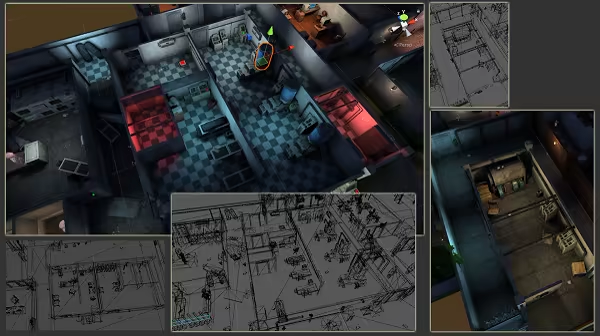
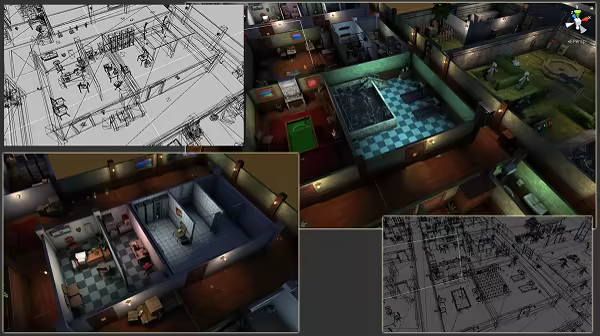
Heaven Dust, developed by One Gruel Studio and published by indienova, is a compact indie survival horror game that serves as both a loving homage to and a reinterpretation of the classic Resident Evil formula. From its opening moments, it’s clear that the developers sought to capture the nostalgic essence of late-1990s horror design—fixed camera angles, key-based exploration, limited resources, and a creeping sense of isolation—all while infusing it with their own minimalist charm. The story begins with a simple but familiar premise: an experiment intended to uncover the secret of immortality has gone horribly wrong, resulting in a deadly virus outbreak and the creation of grotesque, mindless creatures. You awaken within a sprawling mansion complex, trapped among the undead, armed with little more than your wits, a pistol, and an inventory that always feels one slot too small. At its core, Heaven Dust is about slow-burn exploration and the deliberate tension of survival. The mansion serves as both a labyrinth and a puzzle box, filled with locked doors, cryptic symbols, and carefully placed clues. Each new area reveals not just supplies and weapons but also fragments of story that shed light on the research experiment gone awry. Progress comes through solving puzzles—some mechanical, others logical—ranging from combination locks and sliding blocks to environmental riddles that test your memory and observation. These puzzles strike a satisfying balance between accessibility and challenge, rewarding players who pay attention without devolving into obscurity. The rhythm of play—the constant loop of searching, solving, unlocking, and backtracking—evokes the classic “survival horror flow” that genre veterans will find both nostalgic and comforting. Visually, the game adopts a chibi-like art style that at first seems at odds with its subject matter but ultimately lends it a distinct personality. The exaggerated proportions and clean, colorful environments create an unexpected charm that softens the tension without undermining it. Rather than aiming for gritty realism, Heaven Dust uses contrast—cute models against grim scenarios—to create its own kind of dissonance. The lighting and environmental detail, though modest, are effective in building atmosphere, particularly in the darker sections of the mansion where flickering bulbs and ominous shadows hint at danger just beyond view. Sound design complements the visual approach, with eerie ambient loops, restrained music, and sudden bursts of noise that punctuate moments of tension. It doesn’t rely on jump scares so much as on the creeping anxiety of being alone with dwindling resources. Combat, as expected for the genre, is slow and methodical. Zombies shamble forward with predictable lethargy, and the limited ammunition forces you to choose between confrontation and avoidance. The aiming mechanics are simple, and enemies rarely pose a severe threat once you’ve learned their patterns, but the scarcity of bullets and healing items ensures that every encounter carries weight. The small inventory system further adds to the sense of pressure, requiring careful management of supplies and forcing difficult decisions about which items to carry at any given moment. There are occasional bursts of intensity—especially during sequences that flood rooms with multiple enemies or when traps trigger unexpectedly—but for the most part, the combat serves as a vehicle for tension rather than spectacle. The narrative unfolds gradually through documents, logs, and environmental storytelling. It tells the story of the Heaven Dust virus—a supposed key to immortality discovered in an ancient tribe—that instead transforms its hosts into the undead. It’s not an original premise, and the writing doesn’t strive for complexity, but it provides enough context to sustain intrigue. The real focus remains on the mansion itself and the player’s journey through its halls. There’s a quiet satisfaction in piecing together how the various research wings, storage rooms, and laboratories interconnect, and how each new key or code opens previously inaccessible spaces. The backtracking, while frequent, feels purposeful, giving a sense of familiarity to the location and reinforcing the feeling of being trapped within a living structure. Where Heaven Dust stumbles is in its pacing and overall polish. Enemy variety is limited, with most encounters involving the same zombie models, and the game’s short runtime—often just a few hours—means it lacks the deeper escalation or narrative twists that might have elevated it further. Some animations feel stiff, and while the puzzles are well constructed, the lack of dynamic set pieces can make certain stretches feel repetitive. Despite these shortcomings, the game maintains a consistent tone and never overstays its welcome. It knows exactly what it is: a small, self-contained survival horror experience built with care and an understanding of what made the classics memorable. In the end, Heaven Dust succeeds because it stays true to its inspirations without becoming a hollow imitation. It captures the mechanical satisfaction of survival horror—managing limited supplies, solving intricate puzzles, and slowly peeling back layers of mystery—while delivering it in a digestible, indie-sized package. Its charm lies in its restraint and sincerity; it doesn’t try to outdo the giants of the genre but instead pays respectful homage to them with a tone all its own. For players longing for the deliberate pace and quiet dread of early Resident Evil or Alone in the Dark, Heaven Dust offers a bite-sized return to that era, both familiar and refreshingly uncomplicated. It’s not terrifying, but it is engrossing, and it serves as a reminder that survival horror doesn’t always need high-budget production or elaborate storytelling to succeed—it only needs atmosphere, tension, and a sense of curiosity to keep you opening the next door. Rating: 8/10
Heaven Dust es una pequeña joya indie que captura la esencia del survival horror de los 90. ✅ Exploración gratificante y buen diseño de mapa. ✅ Puzles lógicos y bien integrados. ✅ Gestión de recursos tensa (cada bala cuenta). ❌ El control de disparo requiere acostumbrarse. Por el precio que tiene, es una compra obligada para los fans del género que buscan una experiencia clásica de unas 4-5 horas.
Muito legal
Related
Related
Trends
Concurrent players on Steam, sampled daily since tracking started.
Audience
Estimated from the language of this game's reviews — a proxy for where players are, not official Steam demographics.
Related
| BACKROOMS: APPREHENSION | $96.6K | 1.5K | 84% | $2.99 |
| Lake of Creatures | $96.6K | 357 | 94% | $12.49 |
| FEED THE QUEEN | $96.6K | 541 | 70% | $7.99 |
| Trivia About You | $96.6K | 167 | 94% | $14.99 |
| Phantom | $96.6K | 172 | 34% | $24.99 |
| GEX Trilogy | $96.5K | 338 | 71% | $11.99 |