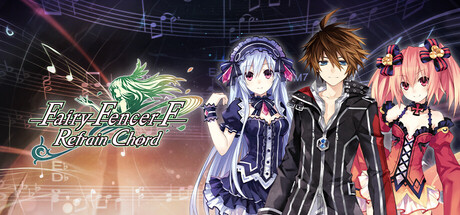
Help Fang and the gang harness the power of song in this comedic tactical RPG romp.
Modeled estimate, not a reported figure. How we estimate →
About
Stats
All-time low is the lowest price we've recorded for this game since we started tracking it.
Languages: English, Japanese*, Traditional Chinese, Simplified Chinese*languages with full audio support
Engagement
Hours played at review time, across 40 reviews with recorded playtime.
Reviews
Themes across 40 recent reviews and how positive each mention is. A keyword signal, not full sentiment analysis.
positive critical· bar length = how often the theme comes up
Reviews
还是标准的流水线RPG。
[h1]美工水准在线,玩法略显枯燥[/h1] [h2]游戏推荐指数:★★★★★★★☆☆☆[/h2] 本作为《妖精剑士F:邪神降临》续作,其采用了将战旗与视觉小说结合的玩法,偏粉丝向的游戏 游戏具有日语配音与简体中文的汉化,本作文本量大且愿意出简中,所以在一开始这游戏就给我留下了不错印象 [h3]略微白开水的剧情 [/h3] 以《邪神降临》的平行世界为背景,时间线为皮皮成为同伴前一点的时候。续作延续系列以“妖圣武器”与“女神与邪神战争”为核心的世界观。梵格主角团在寻找妖圣武器与恢复主角团成员艾琳记忆的旅途中,主角邂逅了两位自称歌姬的少女,并卷入了一场多尔法公司将人体改造妖圣武器的风波。游玩过程中主角团的阵容会不断扩大基本上就是与公司的敌人战斗后面化敌为友,有点包饺子,且有地方有些雷点(主角团间接害死别人的哥哥,下一秒被害人弟弟就与主角团化干戈为玉帛加入主角团) 游戏分两条主线:亚鲁雷特线和魔神线,分支点是15章和萝洛的对话(妖圣武器收集到一定数量,萝洛会问你收集的怎么样了,此时回答“收集的很顺利”进入亚鲁雷特线,“没有收集多少”进入魔神线)由于游戏并没有自动存档,所以我建议在进行15章剧情时进行手动存档。除去两条主线剧情,在旅馆还可以进入主角团主要人物的支线剧情,这些剧情的解锁需要玩家对主线进行一定的推进 [h3]略微枯燥的战旗玩法 [/h3] 指导做的蛮详细,战斗相关内容都会相应介绍。战斗方面我觉得做的一般:偏慢节奏的普通战旗玩法,战斗双方会加入歌姬这一固定辅助,怪的智商也很在线,战斗时它们会选择从背后进行攻击(被刺伤害提高)。游戏以可选择的挑战关卡为主,玩家在推进主线剧情、接取任务以及通过和NPC对话解锁这些挑战关。战旗在整个游戏流程中会占用很长时间,且战斗时角色释法动画只能快进和不能选择跳过,再加上本身战斗玩法深度做的不够等等无疑会让这款游戏越往后推越枯燥乏味 游戏分三种难度,其战斗平衡做的也有点崩,尤其从十五章开始明显感觉玩家的成长远跟不上敌人的成长,加上游戏本身略微枯燥的玩法我觉得这会大大降低玩家想刷下去的欲望 在2D角色绘画方面,本作的绘画精美度在日系游戏里绝对算得上是一流:全员俊男靓女,不说别的,光凭这一点在游玩过程中就觉得非常舒服,另外本作的背景音乐运用恰到好处,使得游玩得体验不错。最后就是建模,本作建模相较于前作确实有很大进步,但在steam上登陆的那年做对比就显得比较落伍了 总体上本作绘画精美,背景音乐优秀,玩法和剧情略微一般,玩这款游戏需要玩家有足够耐心 [quote]欢迎关注『 [url=https://store.steampowered.com/curator/45525570/] 桃你欢心 [/url]』 [b] 桃影扶风评百戏,落墨如歌写人间[/b][/quote]
Disclaimer: This review is written more than two years after completing the game. Also disclaimer: I still cherish the experience. In this alternative re-telling of Fairy Fencer F ADF, Fang gets to go look for more furies, that are magical swords. The catch? One of them accidentally gets broken, which leads the plot wildly off-track. That's the whole summary. Now let's start with the bad parts. The player is absolutely expected to fully clear Fairy Fencer F before even starting this game. It pretty much makes the game a sequel, that is not actually a sequel. The game has no english dub, which is a first. And it's an entirely different genre compared from the first title - the first one was a Neptunia-style dungeon explorer (which, to it's credit, had a sizeable degree of difficulty). This one is a grid-based turn-based strategy game, and it's pretty long too. And it's horribly expensive with no discount. And it has a bunch of new, questionable characters. Now, just one of those may be off-putting, but with all of those you can almost hear thrown tomatoes landing in our direction. So what does this game have to offer us to sit through all that? The gameplay, if you can enjoy slow turn-based games on a grid is fantastic. Your units are far from invincible, and there is more than enough challenge to go around. Character abilities are re-imagined from FFF (ADF) to fit the needs of a grid-based strategy game - Fang's Serious Face is now a powerful passive skill, Harley's Earthquake now creates impassable tiles that barricade enemy movement, et cetera. New story means more goofy antics - it's great. The gang is all back. But what separates this game from most other grid-based strategies are two Muses. On (almost) every map, you have Fleur and enemy side has Glace. After a while during the map, both Fleur and Glace are able to use a really wide AOE buffing field around them, which is accompanied by their singing. Fleur's songs buff your stats - ATK and more, and Glace's songs do the opposite. And if Fleur and Glace's AOE's intersect, units in spaces where they intersect get vastly increased buffs and debuffs from their singing - around four times! Now, if you say that this is a VERY bold concept to introduce to a game with tens or hundreds of maps (because a player would get sick of it) - you'd be right! Usually. But this game ABSOLUTELY NAILS IT. Even now I think fondly of the soundtrack and occasionally redownload the game just to have another listen. I do NOT remember being bored with this aspect of the game. Aside from that, the player can level up Fairies and obtain new skills. The whole system related to that is actually pretty fun to manage also. There's a new field where you clear out the map to get certain materials and stuff. And there's the plot. I won't spoil anything, but it's GOOD. Do not get spoiled. There is a route split at one point, so if you want a NG+ experience to have something new, it's there. If you don't want to, you're not missing much. Some people would say that the plot is not as good as ADF, but I disagree completely. That's because it builds on ADF despite the game being in a different timeline. In conclusion, I thoroughly recommend this to most people looking for a challenge if you can look past it's faults. Play FFF:ADF first though, otherwise it'll sour the experience.
[h2] 游戏介绍 [/h2] 《Fairy Fencer F Refrain Chord》(妖精剑士F:反思和弦)是IDEA FACTORY在steam上发行的第三部《妖精剑士F》的作品,游戏延续了前作的世界观和主要角色,剧情上也是延续了《Fairy Fencer F Advent Dark Force》,虽然剧情关联不多但还是建议新接触这个系列的玩家玩一下前作。本作与前作最大的改动应该就是游戏的战斗模式从JRPG变成了SRPG,也就是战棋玩法,此外歌姬这一职业的引入,也让本作的玩法更侧重策略。 [h2] 剧情介绍 [/h2] 谜一样的故事开局,主角梵高被曾经的好友高喊着口号给一刀秒杀,之后时间线回到数日之前,梵高又因为吃霸王餐而锒铛入狱。听闻此事的艾琳赶来把他从监狱保释出来,回到基地后再次踏上了上寻找妖精之剑的旅程。然而就在下一把武器的所在地赴地回廊,却发生了意想不到变故,众人被洗脑,梵高也成为了谢尔曼的敌人,也就是本作的故事开端。然而幸运的是梵高遇到了新的队友和妖精,不仅救下了梵高,还以歌声辅助主角团战胜邪恶的敌人。随着新的妖精加入,一场似曾相识却完全不同的故事就这样开始了。 [h2] 玩法介绍 [/h2] SRPG游戏,即策略角色扮演游戏,我个人觉得这个玩法不算大众,但是很多经典的游戏也都采用了这个玩法,如《超级机器人大战》《魔界战记》等等,当然了这也不是地雷社第一次做SRPG游戏,2014年在PSV平台上推出了《超女神信仰 诺瓦露 激神黑心》便是SRPG玩法,这一次地雷社将目光放在了另一个IP,也就是本作《妖精剑士F》身上。玩家通过每个人独特的攻击范围和技能范围,在地图的格子上进行移动并尽可能多的一次性消灭敌人。每名剑士都会有与之搭档的妖圣,同时还可以装备一个副妖圣,副妖圣可以提供给人物相应的属性提升并添加一些技能等,副妖圣是通过玩家不断获取收集新的妖圣武器来解锁,妖圣们也有自己的等级也有自己的羁绊,也都作为一个活生生的单位与玩家互动,体验还是蛮有趣的。但是“歌姬”的存在让本作与一般的SRPG玩法略有不同,也在一定程度上让本作的策略性更强。虽然歌姬的攻击力不高,在战斗中的主要作用还是通过咏唱的方式为友方增加buff—“妖精咏叹”,在自己的回合中还可以扩大歌声覆盖面积。当歌姬们释放妖精咏叹的时候,场上的BGM会骤然变成人声的歌曲,直接将场上的战斗气氛炒热起来。在本作的大部分主线战斗中敌方也会有歌姬的存在,当两位歌姬咏唱的范围出现重合时,在音效上还会呈现出“二重奏”的效果,让本作的战斗体验得到更进一步的提升,气氛也是更加火爆,简单点说就是有点像音乐节现场,能够嗨起来。 [h2] 游戏画面 [/h2] 除了少数非人型的角色外,本作中前作的主要角色以及新角色的加入,无论是是剑士、妖圣还是歌姬皆是非常精致漂亮的立绘,游戏的CG也非常精美,每一张都能截图作为壁纸一样,豪华的CV阵容也吸引大量日系RPG玩法,这些都算是地雷社的正常发挥。不过依旧是有着和海王星系列同样的问题,3D建模和人物立绘总感觉不是一个人,但是在战斗场景中本作的3D建模角色还是行动流畅,在高低差的战场环境下玩起来也比较丝滑,战斗体验不错。 [h2] 总结 [/h2] 作为一个老牌IP,本作虽然玩法上跟前作不太一样,但是无论是剧情还是CG立绘还是保持了原作的水准,对于该系列的粉丝而言本作是一款绝对值得入手的新作品。而且加入了歌姬的SRPG玩法也让本作的策略性更强,同时战斗的音乐也更加“燃”。对于喜欢SRPG游玩的非粉丝的新玩家来说,不妨可以试一试这部作品。 [quote]欢迎关注[url=https://store.steampowered.com/curator/45214439/]轻游社[/url],以轻松认真的态度,对待每一款游戏 [/quote]
作为地雷社旗下《妖精剑士f》系列的正统续作,在阔别多年以后以Refrain Chord之名再度回归。于我这种日式游戏爱好者而言,《妖精剑士F:和声重奏》从各方面看起来的卖相都相当不错。游戏精致的立绘沿袭了同社《超次元海王星》系列的设计风格,还有主线全程陪伴的配音。故事则采用独立单元剧的形式展开,即使没接触过前作也不妨碍体验剧情。在得知前作曾有幸请到《最终幻想》系列的天野喜孝和植松伸夫两位大师参与后,本作更是激起了我的浓厚兴趣。只不过在实际游玩之后,这部游戏带给我的体验并没有想象的那么美好,或者说过于粉丝向,踩雷般的游戏体验倒也印证了“地雷社”之名。 相较于前作标准的回合制jrpg,本作转为了节奏更为缓慢且相对小众的sprg。从《最终幻想战略版》、《马力欧+疯狂兔子》再到《Persona 5:Tactica》,战旗一直受到知名ip选作衍生产品的青睐。作为群像剧的完美容器,srpg的回合制、棋盘化战斗,天然合适让大量角色在同一场战斗中登场,并清晰展现各自的定位、独特能力与互动关系。本作便以战旗玩法为核心并融入了“妖圣解放”等前作特色,完美的将人物特点与角色魅力融入战斗,展现出更为生动的剧情演出。 “歌姬”是本作引入的核心新元素。从副标题“和声重奏”便能看出本作主推的便是两位歌姬,做为战斗的核心,她们并非冲锋陷阵的战士,主要通过“妖精咏叹”为双方单位提供范围增益。战斗中,每当敌我双方的歌姬发动“妖精咏叹”,bgm便会切换为腔调十足的人声歌曲。我格外喜欢如《persona》这般将人声歌曲作为战斗背景音乐在游戏中。相较于纯器乐,人声演唱的bgm能更直接、更精准的传递特定的情绪、游戏的主题以及角色内心世界,或决心、或悲壮、或希望、或愤怒。在本作中,人声歌曲的切入便是一个非常清晰且强烈的听觉信号,明确告知玩家战斗状态发生了重大转变,特别是双方歌姬同时吟唱而产生的重叠增益区域“共奏”时,“共奏”区域的所有单位均会获得翻倍的增益效果,这也预示的战斗进入到白热化阶段。 剧情延续了系列的经典开局,主角梵格又一次因吃霸王餐身陷囹圄,被伙伴艾琳救出后,踏上收集妖圣武器复活女神的旅途。新角色歌姬的加入成为搅动命运的关键钥匙——一位以歌声治愈,另一位则以歌声操控人心。叙事风格则是日式经典的王道基底+搞笑相声。主线全程语音加持下,角色间插科打诨、反差人设制造的喜剧效果依然亮眼。或许对于系列老玩家而言,重逢提亚拉、艾琳等角色充满情怀,但于系列新玩家而言可能缺乏前作铺垫而对人物关系感到疏离,剧情本身也称得上是“平淡”且“单薄”。 这种单薄感也不仅仅局限于剧情本身,战斗深度相较于各位srpg前辈来说也显得十分有限。对比同类战旗游戏,明显感觉到本作地图数量有限且设计感薄弱,地图普遍较小,开启“妖圣解放”后基本就是两个回合跑全图。虽然带有立体设计,但大都保持在两层以内,且基本对胜负天平的倾斜无任何影响,仅仅是为了有而有。地形仅作为移动路径上的障碍存在,与隔壁《火焰纹章》的森林掩护、山脉阻隔等实在不可同日而语。 地图互动元素稀少,大部分情况下玩家甚至没必要打开战场预览,对比起《战场女武神》的地形破坏,《三角战略》的元素地形连锁,本作战场仅为静态棋盘,除了几个敷衍的箱子外无场景破坏、陷阱触发与环境技能联动,战场策略维度太过单一。 换到角色培养问题,除歌姬外,多数战斗角色培养路径趋同,过于依赖数值堆叠,养成系统挤压战术空间较为严重,战斗胜负过度依赖角色等级与妖圣强化,而非战场实时策略。确实,对于如此贫瘠的战场设计而言,战场策略对战斗形势的影响属实有限。在我看来,本作与其说是sprg,实际内核仍是一部标准的回合制jrpg。 近年来关于技术力低下方面或许已经成为许多日厂游戏特别是jrpg一个老生常谈的为人所诟病的问题,毫无疑问,在技术力低下这一块,地雷社绝对是里面的佼佼者。与其相比,阿特拉斯法老控可能也得相形见绌。或许能玩到一部22年像用ps1技术做的ps2建模的ps3游戏也是我的幸运吧。
[h1]歌声与策略交织的幻想冒险[/h1] 本作是《妖精剑士F》的续作,在继承前作世界观的基础上将战斗系统改成了战棋模式。不管是系列粉丝还是战旗爱好者,这款游戏都有不少值得挖掘的亮点。 [h2]剧情与角色[/h2] 故事的背景是女神与邪神的斗争。为了复活女神、找回女主角妖圣艾琳失去的记忆,主角们踏上了寻找妖圣武器的旅途。 [h3]主角梵格[/h3] 虽然是个帅哥,总把本大爷挂在嘴边想装嚣张,但实际上是个容易被伙伴调侃的团欺。开场部分剧情比较搞笑,因为挑战特大碗免单失败(吃不完,而且钱包丢了无法付账)被关进牢房,受不了数房顶落下的水滴有多少、饭团有多少颗米这样离谱的强制劳动从而郁闷到跟蟑螂聊天。 [h3]艾琳[/h3] 失忆的妖圣,与梵格是一心同体的搭档。两人之间属于互损与吐槽的关系,让游戏氛围轻松有趣,玩起来不会枯燥。 角色的塑造都比较出色且生动。 [h2]战斗系统[/h2] 本作采用了战棋玩法,系统设计对新手非常友好,又不失战略深度。 [h3]基础机制[/h3] 蓝色区域是可移动的地方,红色区域是可攻击的地方,先移动后行动,或者先行动后移动,玩家在行动前可以看到命中率与伤害预测。特别需要注意的是角色的朝向,从侧面或背面攻击会造成更大伤害,反之亦然,对手也能绕到你背后给予你重创。 [h3]难度调节[/h3] 游戏提供简单、标准、困难三种难度,且随时可调整,既可以看剧情为主也可挑战高难度。 [h3]爆发系统[/h3] 经典的妖圣解放依旧存在,积攒蓝条后可以Henshin!不仅造型酷炫,变身的演出效果也十分华丽。 [h3]连携攻击[/h3] 右下角量表攒满后可以发动齐心连击,多名伙伴一起攻击,爽快感十足。 [h2]歌姬的咏叹调[/h2] 音乐绝对是本作的一大加分项!OP非常抓耳,游戏也是巧妙地将音乐融入战斗,当歌姬使用妖精咏叹时,战场背景乐会直接切换为OP或其他曲目,让战斗瞬间有了氛围感,配合高质量的CV演出,沉浸感极佳。 [h2]探索与整备[/h2] 冒险据点位于大都市“瑟温斯”,在这里有酒馆、喷泉、旅店、商店、世界地图等。通过不同颜色的标记(红色标记代表主线、黄色标记代表支线、绿色标记代表委托)来规划好下一步做什么。战前准备环节也很关键,合理配置战斗单位和装备,能让推图事半功倍。 [h2]结语[/h2] 男主帅气又逗比,女主可爱又损,加上优秀的音乐和成熟的战棋系统,《妖精剑士F:和声重奏》是一部值得一试的佳作。 [quote]欢迎关注三真万法鉴赏组: https://store.steampowered.com/curator/45742107/ 欢迎加入三真万法鉴赏组: https://steamcommunity.com/groups/szwf [/quote]
好看好听但不好玩
[h1]Fairy Fencer F: Refrain Chord Review – A Fresh Take on a Beloved Series[/h1] Fairy Fencer F: Refrain Chord is a delightful evolution of the Fairy Fencer universe, blending familiar charm with an engaging tactical RPG twist. While it may not be the direct sequel some fans expected, it offers a fresh experience that honors the series’ roots while introducing exciting new mechanics. [b]A Tactical Adventure with Heart[/b] Refrain Chord shifts from the traditional turn-based combat of its predecessors to a strategic grid-based system, and the transition feels surprisingly natural. The addition of the Fairy Aria system—where Muses Fleur and Glace empower allies through song—adds a dynamic layer to battles. Overlapping their buff zones creates dramatic, high-stakes moments that reward smart positioning and risk-taking. The core gameplay remains accessible yet satisfying, with Fairize transformations and Avalanche attacks making a return. Customization through Sub-Fairies and skill upgrades ensures that progression feels rewarding, even if the difficulty leans toward the forgiving side. [b]A Story for Fans[/b] Narratively, Refrain Chord walks a fine line. It doesn’t outright continue the original’s plot but instead recontextualizes events with new characters and twists. Longtime fans will appreciate seeing Fang and the gang back in action, complete with their signature humor and camaraderie. However, newcomers might feel lost in the sea of inside jokes and unexplained lore. The writing retains the series’ lighthearted, anime-flavored charm, though some gags may feel dated or overly tropey. Still, the character interactions are a highlight, with optional scenes adding depth to the party’s relationships. [b]Presentation and Polish[/b] Visually, Refrain Chord is a mixed bag. The character artwork and 2D portraits are vibrant and expressive, but the 3D battlefields and animations feel dated. The soundtrack, however, shines—especially when the Muses’ songs dynamically remix the battle themes. Performance is solid across platforms, though the lack of an English dub might disappoint some. The absence feels particularly noticeable given the strong voice work in previous entries. [b]Final Verdict[/b] Fairy Fencer F: Refrain Chord is a fun, if slightly uneven, tactical RPG that thrives on its personality and strategic depth. While it may not revolutionize the genre or fully satisfy those craving a direct sequel, it’s a worthy addition to the franchise. For fans of Fairy Fencer, this is a must-play—a love letter to the series with enough new ideas to feel fresh. For newcomers, it’s a charming but niche entry point that’s best enjoyed after experiencing the original. [b]Score: 7.5/10 – A solid SRPG with heart, humor, and just enough tactical flair to keep you hooked.[/b]
本作是地雷社旗下《妖精剑士F》系列的第三部作品,游戏中的世界观和前作一脉相承,但在玩法上进行了一些变动,和前作的传统JRPG不同的是,本作的游戏玩法变成了策略类的战棋玩法。并且在本作中有着全新的歌姬职业登场,歌姬的“妖精咏叹”和“梦幻回响”技能更是本作战斗中不可忽视的部分。 游戏的剧情很简单,主角梵格经典的霸王餐开局,然后进入监狱,好不容易被妖圣搭档艾琳救出来准备去寻找妖圣武器了,却在这时遇见了“歌姬”。“歌姬”的歌声让大家被洗脑了,并且被卷入了一场关于“歌姬”的纷争之中。好在后来经过一系列事件,并且在“芙露尔”的歌谣的帮助下,被洗脑的人清醒了起来,将死去的人也活了过来,并最终迎来结局。 作为地雷社的游戏,本作的角色立绘保持了地雷社一贯的高水准,各个立绘精美,配上游戏中大量的剧情和营造出的优秀人设,让人在看剧情的时候感觉很舒适。但是作为地雷社,与立绘相对的就是它仿佛还停留在二十年前的建模水平。虽然本作的人物建模水平在地雷社中已经算不错了,但高情商的说还是有一种复古风格。 游戏的战斗玩法是标准的战旗玩法,游戏中的每名角色根据自身的不同拥有着不同的移动距离,攻击距离,技能等。并且游戏中加入了“歌姬”这一设定,在战斗开始的时候双方都会有一个“歌姬”帮忙,虽然她们的伤害不高,但是“歌姬”在战斗中可以发动“妖精咏叹”来大幅强化范围内己方所有成员。在发动“妖精咏叹”时,战斗BGM会变为人声歌曲。并且敌我双方的歌姬同时发动“妖精咏叹”会触发“梦幻回响”,两名歌姬歌声范围重合的部分会成为“回响领域”,在这些领域中“歌姬”的歌声效果会进一步增强。 总体而言,《Fairy Fencer F Refrain Chord》是一款粉丝向作品,它在游戏立绘,音乐表现和游戏剧情上有可圈可点之处,但游戏的玩法和人物建模技术力仍然显得不足。如果你是系列粉丝或对策略类战棋游戏感兴趣,可以尝试本作 [quote]欢迎关注 [url=https://store.steampowered.com/curator/45531068/]黑白测评[/url] [hr]黑夜显真 白昼辨伪[/hr]
Fairy Fencer F: Refrain Chord, developed by IDEA FACTORY, COMPILE HEART, and STING and published by Idea Factory International, takes a noticeably different direction from its predecessors by transforming the series into a tactical role-playing experience. Instead of building upon the turn-based structure of earlier entries, this installment shifts toward grid-based combat, emphasizing positioning, coordination, and planning. It’s a deliberate attempt to broaden the identity of the franchise while still retaining its core personality—colorful characters, anime-inspired storytelling, and a balance of humor and drama. The result is a game that feels both familiar and experimental, sometimes successfully blending its ideas, and other times revealing the friction between its old identity and its new structure. The narrative revisits Fang and his companions, placing them once again in a conflict shaped by divine forces and the power of Furies. While it does not strictly demand prior knowledge, the story clearly assumes some familiarity with the series, as it reintroduces characters and dynamics without extensive recontextualization. A major addition comes in the form of the Muses, characters who wield song-based powers that influence both the story and gameplay. These figures bring a thematic layer centered on emotion and resonance, which fits neatly into the game’s overall tone. Dialogue remains heavily stylized, leaning into exaggerated personalities and comedic exchanges, though it can sometimes overextend itself with lengthy conversations that slow narrative momentum. When the story does find its footing, it delivers moments of charm and occasional emotional weight, but it rarely pushes beyond the boundaries of its established formula. Combat is the centerpiece of this entry, unfolding across grid-based battlefields where movement, direction, and positioning are key factors in determining success. Characters have defined movement ranges and attack patterns, and facing matters—being struck from behind or the side can lead to increased damage, encouraging careful placement and tactical awareness. The Muse system adds a distinctive layer, allowing certain characters to perform songs that grant buffs such as enhanced attack power, healing effects, or defensive bonuses over time. This introduces a rhythm to combat that goes beyond simple offense, rewarding players who think about timing and synergy within their party. Despite these additions, the system remains relatively approachable, and while it offers enough variety to stay engaging, it does not reach the level of complexity seen in more demanding strategy RPGs. Character progression provides a steady sense of growth, with players able to customize abilities, improve stats, and shape their party composition over time. Additional mechanics, including various support systems and resource-based upgrades, expand the range of options available. However, these systems can sometimes feel more like layered busywork than meaningful depth, particularly when they involve repetitive tasks or incremental upgrades that do not significantly alter gameplay. This contributes to a pacing issue that becomes more noticeable as the game progresses, with stretches of engaging tactical encounters occasionally interrupted by slower, less dynamic segments. One of the more persistent challenges the game faces is its lack of variety in mission design. Battles often follow similar patterns, and enemy behavior does not always push players to adapt their strategies in meaningful ways. As a result, once an effective approach is established, it can carry players through much of the game with minimal need for adjustment. This makes the experience accessible, especially for those new to tactical RPGs, but it also reduces the sense of challenge and discovery that typically defines the genre. Over time, the repetition can begin to outweigh the novelty of the combat system. Visually, the game maintains the series’ established anime aesthetic, with vibrant character designs and expressive artwork that stand out as its strongest visual elements. Character portraits and special ability animations bring personality to the cast, reinforcing their individuality during both story sequences and combat. In contrast, the environments and battle maps are more subdued, often lacking the same level of detail or variety. While the presentation is consistent and functional, it does little to elevate the experience beyond expectations for a mid-budget title. What ultimately defines Fairy Fencer F: Refrain Chord is its attempt to evolve without losing its identity. The transition to a tactical format gives the series a fresh perspective, and the inclusion of unique mechanics like the Muse system adds a layer of distinction. At the same time, the game remains deeply rooted in its original design philosophy, prioritizing character interaction and accessibility over mechanical complexity or narrative ambition. This balance will appeal strongly to fans of the series, but it may feel limited to those looking for a more refined or challenging strategy experience. In the end, Fairy Fencer F: Refrain Chord is a solid, if somewhat uneven, entry that succeeds in offering a different take on a familiar formula. It delivers enjoyable tactical gameplay, a cast full of personality, and enough customization to keep players engaged, even if it does not fully capitalize on its potential. For fans of anime-style RPGs and those interested in a lighter approach to strategy, it provides a worthwhile and entertaining experience, though one that occasionally falls short of its ambitions. Rating: 7/10
Related
Related
Trends
Modeled estimate over time, reconstructed from Steam's monthly review histogram.
Audience
Estimated from the language of this game's reviews — a proxy for where players are, not official Steam demographics.
Related
| Mini Golf Arena | $157.5K | 520 | 52% | $8.99 |
| Home | $157.6K | 1.8K | 67% | $4.99 |
| TAISHO x ALICE episode 2 | $157.6K | 703 | 86% | $16.99 |
| King Arthur II: The Role-Playing Wargame | $157.5K | 512 | 56% | $9.99 |
| Knockout League - Arcade VR Boxing | $157.5K | 366 | 77% | $19.99 |
| Darkout | $157.6K | 562 | 50% | $9.99 |