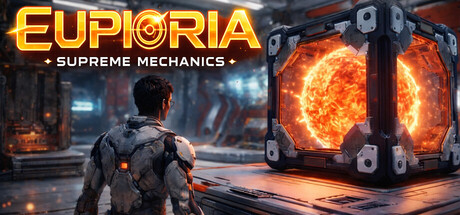
The ability to discern hidden connections is both a gift and a curse. The covert mechanisms of reality do not reveal themselves to any and all, and there is a price to pay for this knowledge…
Modeled estimate, not a reported figure. How we estimate →
Media

About
Genres
Stats
All-time low is the lowest price we've recorded for this game since we started tracking it.
Languages: English*, Russian, French, Italian, German, Spanish - Spain, Traditional Chinese, Simplified Chinese, Korean, Polish, Turkish, Japanese*languages with full audio support
Engagement
Hours played at review time, across 40 reviews with recorded playtime.
Reviews
Themes across 40 recent reviews and how positive each mention is. A keyword signal, not full sentiment analysis.
positive critical· bar length = how often the theme comes up
Reviews
It was a short and raw game with broken mechanics, and there were often bugs that could have been ignored, but the game was already a bit boring, but if it had been in VR, it would have looked even better. The game has a lot to grow, maybe it will get better further. The discount should be increased
[h1]Spielbewertung von TrophyHunter[/h1] Dieses Game habe ich vor einigen Monaten durch einen random Steamkey erhalten. Das gezeigte Spielprinzip erinnerte mich teilweise an das Game "Portal" und hatte mich bereits durch den Trailer neugierig gemacht. Das Spiel "Euphoria: Supreme Mechanics" wurde vom Entwicklerstudio "Whale Rock Games" entwickelt sowie veröffentlicht. In diesem Game muss man verschiedene Rätsel bzw. Puzzle lösen, um im Spiel weiter Fortschritt zu erlangen. Insgesamt ist das Spiel leider sehr einfach, weshalb man es auch innerhalb 1 Stunde durchspielen kann. Es wirkt fast schon wie eine Art Demoversion. Die Soundkulisse, als auch die Grafik wirken recht solide und geben im Gesamten ein recht gutes Spielerlebnis ab. Mit jedem abgeschlossenen Rätsel erhält man übrigens eine Errungenschaft und das Game wird zwischen gespeichert. Bugs bzw. Probleme habe ich im Prinzip keine gefunden, jedoch könnte man noch den "Slider" für die bewegbaren Plattformen etwas anpassen, sodass die Empfindlichkeit nicht mehr so hoch ist. Desweiteren sind einige Räume sehr dunkel gehalten, weshalb man nicht so gut manche Objekte im Raum erkennen kann. Der Preis von ~10€ ist in meinen Augen auch nicht gerechtfertigt und man sollte auf einen ordentlichen Rabatt warten, falls man es wirklich testen möchte. Ich persönlich finde das Spiel durchaus okay, sofern man es im Angebot gekauft hat. Es wirkt zwar bereits wie erwähnt, eher wie eine Demo, jedoch kann man es durchaus mal spielen. Macht euch einfach ein eigenes Bild davon. Müsst ihr wissen. 👑 [url=https://store.steampowered.com/curator/43242924/]ᴋᴜʀᴀᴛᴏʀᴘʀᴏғɪʟᴇ 1[/url] (ʀᴇᴢᴇɴsɪᴏɴᴇɴ: 1 ʙɪs 2000) 👑 [url=https://store.steampowered.com/curator/45326192/]ᴋᴜʀᴀᴛᴏʀᴘʀᴏғɪʟᴇ 2[/url] (ʀᴇᴢᴇɴsɪᴏɴᴇɴ: 2001 ʙɪs 4000) 👑 [url=https://store.steampowered.com/curator/45326250/]ᴋᴜʀᴀᴛᴏʀᴘʀᴏғɪʟᴇ 3[/url] (ʀᴇᴢᴇɴsɪᴏɴᴇɴ: 4001 ʙɪs 6000)
Small, but fun puzzle game with Portal-like puzzle elements (laser, blocks, etc). Finished this in 34 minutes so very easy if you have a lot of experience with similar games
Довольно интересная и увлекательная игра. В игре интересный геймплей и механики. Советую игру к приобретению!
The game has an interesting concept and engaging gameplay. It's a decent option for a couple of evenings spent solving puzzles. The graphics are the familiar Unreal Engine style. It's well-priced for a short gaming experience. The music is average for a space-themed game.
Well, such a below-average project that does not represent anything, a gray mass that you go through and do not notice, nothing catches at all, unique content on the finger of one hand, I don't think that anyone will be interested in playing it. To date, there are many projects that will be better, I can't say this for this project, I don't recommend it, that's all
Euphoria: Supreme Mechanics is one of those indie puzzle adventures that immediately signals it wants to be more than just a sequence of challenges. Developed and published by Whale Rock Games, it drops the player into a mysterious, futuristic facility without much explanation, trusting curiosity to take over. Instead of guiding you with constant prompts or heavy exposition, the game encourages observation—examining architecture, listening to cryptic audio fragments, reading environmental cues, and piecing together meaning through implication rather than direct storytelling. The result is a narrative experience that feels intentionally fragmented, inviting interpretation rather than demanding comprehension, which can be refreshing if you enjoy games that leave room for personal theorizing. The atmosphere is unquestionably the game’s strongest asset. Its environments feel cold, abandoned, and engineered rather than lived in, giving the impression of a research complex that once had purpose but now exists in a suspended state. Dim corridors, monolithic industrial rooms, pulsing machinery, and flickering lights create a sense of unease without resorting to horror tropes. Sound design reinforces the mood—distant hums, echoing footsteps, synthetic tones, and occasional disembodied voices create an auditory space that feels both oppressive and intriguing. Nothing jumps out to scare you, but the emotional weight of silence and uncertainty can be unsettling on its own. This slow-building tension makes exploration feel meaningful, even during long stretches without major progression. At its core, the gameplay revolves around environmental puzzles—laser-based mechanisms, object manipulation, logic sequences, spatial reasoning tasks, and hidden-path solutions. The puzzles are typically grounded in the facility’s technological aesthetic, which helps tie gameplay and world-building together. Solving them requires patience and attentiveness rather than twitch reflexes, and most solutions emerge gradually as you learn how the environment communicates with you. When the mechanics work smoothly, there’s real satisfaction in triggering a machine, opening a sealed door, or activating a mysterious system after connecting the mental dots. However, the game can be unforgiving in terms of clarity, occasionally leaving players unsure whether they’ve misunderstood a puzzle or encountered a design oversight. The controls and interaction systems underline the game’s ambition but also expose its limitations. Picking up objects, aligning components, or navigating tight spaces can sometimes feel less precise than intended, leading to moments of frustration—not because the puzzle is difficult, but because input responsiveness doesn’t always match what the player is trying to do. This is more noticeable in early encounters, where the game expects you to interact intuitively but doesn’t establish strong mechanical feedback. For players who value tactile polish, these inconsistencies may pull them out of the experience, especially when attempting multi-step solutions that require repeated manipulation of the same objects. Narratively, Euphoria: Supreme Mechanics aims for philosophical impact. Themes of perception, memory, human motivation, and interconnectedness surface throughout the journey, but they appear indirectly, through scattered hints rather than explicit storytelling. The game asks the player to engage intellectually—to speculate about who built the facility, what went wrong, and how the protagonist fits into the larger mystery. For some, this fragmented approach will feel poetic and thought-provoking. For others, it may feel too vague, leaving little emotional payoff after the final puzzle is solved. The game clearly prioritizes abstraction over closure, which aligns with its tone but may not satisfy players seeking a definitive narrative arc. Visually, the game succeeds within its scope. While it doesn’t push graphical boundaries, it maintains a consistent, purposeful aesthetic—stark lighting, metallic textures, minimalist user interface elements, and deliberate environmental design choices all contribute to a cohesive identity. The world feels engineered rather than decorative, which reinforces the thematic focus on systems and machinery. The environments also avoid clutter, helping the player zero in on interactive elements, though some set pieces could benefit from more visual variety to prevent fatigue during long exploratory stretches. Length and pacing are tied closely to player mindset. Those who enjoy methodical exploration and trial-and-error problem-solving may find themselves absorbed for hours, studying layouts, backtracking, and gradually revealing the structure of the facility. Players who crave momentum or narrative urgency may feel stuck or slowed down, especially when puzzles become opaque. Because the game rarely tells you whether you’re on the right track, progress can feel either rewarding or discouraging depending on how patient you are with ambiguity. Ultimately, Euphoria: Supreme Mechanics is a niche but thoughtful experience—one best approached with curiosity rather than expectations of spectacle or fast-paced gameplay. It succeeds in crafting a mysterious world, evoking intellectual engagement, and encouraging players to think rather than react. Its shortcomings—uneven control precision, occasional lack of clarity, and pacing that may feel stagnant to some—do not negate the creative ambition at its core. Instead, they reflect the challenge of building a puzzle game that prioritizes atmosphere and interpretation over direct guidance. For players who enjoy contemplative first-person puzzle adventures, cryptic storytelling, surreal environments, and solving problems at their own pace, this game offers something genuinely distinctive. For those who prefer more structured direction, emotional storytelling, or polished mechanical execution, it may feel rough or underdeveloped. But within its genre and aspirations, Euphoria: Supreme Mechanics stands as an intriguing and memorable journey—one that lingers more in thought than in action, asking players not just to solve puzzles, but to consider what those solutions signify. Rating: 7/10
An interesting simulator, a walker with good graphics and a bright picture, a top-notch plot and awesome art, I liked everything about it.
nice
I loved how it blends detective work, soft horror and sci-fi into something that actually makes you think, not just follow breadcrumbs. The world is full of tiny, unsettling details and the soundtrack quietly pushes you into that investigative headspace. piecing disparate clues together felt genuinely rewarding, and the game trusts you enough to draw your own conclusions. If you like slow-burn mysteries that reward patience and intuition, this one’s a keeper. I’d give it a solid 8/10 for mood and brainy satisfaction.
Related
Related
Trends
Modeled estimate over time, reconstructed from Steam's monthly review histogram.
Momentum
Pace estimated from the game's recent review growth (our daily snapshots) at its own sales-per-review ratio — a momentum signal, not booked sales.
Audience
Estimated from the language of this game's reviews — a proxy for where players are, not official Steam demographics.
Related
| A Planet Full of Cats | $67K | 544 | 91% | $6.39 |
| Ultimate Hero | $67.1K | 227 | 70% | $9.99 |
| Dragon Sleuth Brittany | $67.1K | 313 | 89% | $14.99 |
| Mystik Belle | $67.1K | 177 | 86% | $14.99 |
| Knee Deep | $67.1K | 177 | 78% | $19.99 |
| Knight vs Giant: The Broken Excalibur | $67K | 172 | 78% | $19.99 |