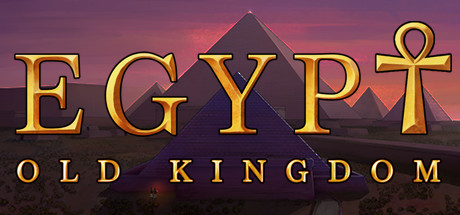
Strategy simulator of the Great Pyramids period, where you take your path from the unification of Egyptian tribes to the foundation of The First Empire. Developed with the assistance of Egyptologists.
Modeled estimate, not a reported figure. How we estimate →
About
Genres
Stats
All-time low is the lowest price we've recorded for this game since we started tracking it.
Languages: English, Russian, Simplified Chinese, German, French, Turkish, Italian, Portuguese - Brazil, Spanish - Spain
Engagement
Hours played at review time, across 42 reviews with recorded playtime.
Reviews
Themes across 42 recent reviews and how positive each mention is. A keyword signal, not full sentiment analysis.
positive critical· bar length = how often the theme comes up
Reviews
还挺好玩的,就是又要存资源又要爆兵又要同化部落很难
Egypt: Old Kingdom is a historical strategy game that distinguishes itself through its dedication to authenticity and its focus on the rise of one of humanity's earliest great civilizations. Developed and published by Clarus Victoria, the game places players in the role of a ruler tasked with guiding ancient Egypt through centuries of growth, political development, religious influence, and technological advancement. Rather than adopting the broad alternate-history approach common in many strategy titles, Egypt: Old Kingdom remains firmly rooted in historical events and cultural realities, creating an experience that feels both educational and strategically rewarding. The game begins during the formative years of Egyptian civilization, when the kingdom is still relatively small and vulnerable. From these modest beginnings, players must oversee expansion, improve infrastructure, manage resources, and establish the foundations of a prosperous state. Progress is gradual, but that deliberate pacing allows players to appreciate the transformation of their realm over time. Watching a simple settlement evolve into a powerful kingdom capable of constructing monumental architecture and maintaining complex social systems provides a strong sense of accomplishment. Resource management forms the backbone of the gameplay. Food, production, culture, religion, and political stability must all be carefully balanced to ensure long-term success. Every decision has consequences, forcing players to think strategically rather than simply pursuing rapid expansion. Investing heavily in one area can create weaknesses elsewhere, making thoughtful planning essential. This constant need to evaluate priorities keeps the experience engaging and prevents progression from becoming automatic or repetitive. One of the game's most appealing features is its emphasis on historical development. Technological progress reflects the actual evolution of ancient Egyptian society, allowing players to unlock advancements related to agriculture, administration, religion, architecture, and governance. These developments are more than simple bonuses; they often introduce entirely new opportunities and strategic considerations. As a result, each advancement feels meaningful and contributes directly to the feeling of leading a civilization through a significant period of history. Religion plays a particularly important role in shaping the kingdom. The influence of Egyptian gods extends into many aspects of gameplay, offering benefits that can strengthen the state when managed effectively. Deciding which divine powers to favor and when to invoke them adds another strategic layer while reinforcing the historical atmosphere. Religion never feels like a secondary mechanic; instead, it serves as a central component of both governance and cultural identity, mirroring its importance within ancient Egyptian society. The construction of tombs, monuments, and pyramids represents one of the most satisfying long-term goals. These projects require significant planning and resources, making them true achievements rather than simple building upgrades. The process of gathering materials, maintaining stability, and allocating resources toward these monumental endeavors captures the immense scale of such undertakings. Completing a major construction project feels like a genuine milestone and serves as a visible symbol of the kingdom's success. Unlike many strategy games that focus heavily on military conquest, Egypt: Old Kingdom places greater emphasis on internal management and national development. Military concerns certainly exist, but warfare is only one aspect of a much larger system. Most of the player's attention is devoted to strengthening the economy, maintaining order, expanding cultural influence, and ensuring the prosperity of the population. This focus gives the game a unique identity and allows it to explore aspects of civilization-building that are often overlooked in the genre. The visual presentation complements the historical setting remarkably well. The artwork draws inspiration from authentic Egyptian artistic traditions, giving the interface, portraits, and illustrations a distinctive appearance. Rather than pursuing realism, the game embraces a style that reflects the culture it portrays. This artistic direction not only looks attractive but also strengthens immersion by constantly reminding players that they are participating in the story of ancient Egypt. Educational value is another area where the game excels. Historical details are woven naturally into the experience through technologies, events, and descriptive information. Players interested in ancient history will find a wealth of fascinating content, while those primarily focused on gameplay can still enjoy the strategic systems without feeling overwhelmed by historical information. The game succeeds in teaching through interaction rather than lectures, making learning an organic part of progression. The complexity of the management systems can occasionally create a steep learning curve. New players may struggle to understand the relationships between resources, religion, culture, and political stability during their first campaign. Certain situations can become difficult if long-term planning is neglected, and recovering from mistakes often requires patience. However, these challenges ultimately contribute to the satisfaction of mastering the game's mechanics and developing a successful strategy. Replay value comes largely from refining decisions and pursuing more efficient paths through the campaign. While the historical framework remains relatively consistent, different approaches to development, resource allocation, and religious priorities can significantly affect outcomes. Players who enjoy optimization and long-term planning will find plenty of reasons to revisit the game and improve upon previous performances. Egypt: Old Kingdom succeeds because it combines strategic depth with genuine historical appreciation. Its focus on governance, cultural development, religion, and monumental construction creates a distinctive experience that stands apart from many traditional empire-building games. The thoughtful mechanics, authentic presentation, and educational elements work together to create a compelling portrayal of ancient Egypt's rise to greatness. For players interested in history and strategy alike, it offers an engaging journey through one of the most remarkable civilizations ever to exist. Rating: 8/10
Played a few hours on the 'starter campaign' but didn't go to the trouble to finish it. Straightforward exploration and expansion for the first +-100 turns. Then the game keeps on repeating you need to 'strengthen your empire for the end-game' (supposedly turn 300) but after a few hours of building more and more temples, I'm done. Dunno if there is an actual endgame. Thinking that being able to spend resources building temples up to turn 300 is the actual 'endgame'. Meanwhile you're wasting time by distributing resources over other uncompelling 'disasters'.
unsatisfying
比上一部难,玩着不如上一部,完全正常难度开局结果打了两个钟头结果因为内战产量跟不上,还没法祈祷,直接全部死光光,忍不住想起玩冰汽时代最低温来了全部冻死的场景,前面两个钟头全白打:(
POZETIVO RAPAZEADA ⣿⣿⣿⣿⣿⣯⣷⣿⣿⣿⣿⣿⣿⣿⣿⣷⣶⣌⡳⣜⢿⣿⣿⣿ ⣿⣿⣿⣿⣿⣿⣿⣿⣿⣿⣿⣿⣿⣿⣿⣿⣿⣿⡇⢀⡛⢌⢿⣿ ⣿⣿⣿⢸⣿⣿⣿⣿⣿⣿⣿⣿⣿⣿⣿⣿⣿⣿⠁⠄⠙⠌⣸⣿ ⣿⣿⣿⡿⠉⠉⠉⠉⢿⣿⣿⣿⠏⠉⠉⠉⠉⠉⠆⠄⠁⠄⣿⣿ ⣿⣿⣿⡗⠫⠿⠆⠄⠸⢿⣿⣿⠂⠒⠲⡿⠛⠛⠂⠄⠄⢠⣿⣿ ⣿⣿⡛⣧⡔⠢⠴⣃⣠⣼⣿⣧⡀⠘⢢⣀⠄⠄⠄⠄⠄⢈⠁⢿ ⣿⣿⣿⣿⣿⣾⣿⣿⣿⣿⣿⣿⣿⣿⣿⣷⣶⣿⠄⠄⠄⣸⠆⣿ ⣿⣿⣿⣿⣿⣿⣿⡿⣿⣿⣿⣿⣼⢿⣿⣿⣿⣿⡀⠄⠘⡀⢠⣿ ⣿⣿⣿⡌⠿⣫⣿⣦⠬⢭⣥⣶⣬⣾⣿⢿⣿⡟⠄⢀⣿⣶⣿⣿ ⣿⣿⣿⣧⠘⣉⠛⢻⣛⣛⣛⣻⡶⠮⠙⠃⣉⠄⠄⢸⣿⣿⣿⣿ ⣿⣿⣿⣿⡆⠸⣿⣶⢾⣿⣯⣤⣄⣀⣾⡟⠄⠄⠄⢸⣿⣿⣿⣿ ⠿⠿⠿⢿⣷⠄⣿⣿⣎⣹⢻⣿⣿⡿⡿⠁⠄⠄⠄⢸⣿⣿⣿⣿ ⠄⠄⠄⠄⠄⣠⠘⣿⣿⣿⣿⣿⣿⡟⠁⣀⣀⣀⠄⠘⠿⣿⣿⣿
古埃及文明发展模拟器,在史实模式里,玩家将从发源于孟菲斯的一个小部落开始,一步步感受尼罗河上下游社会的起源、繁荣和衰落。游戏在UI方面下了很多功夫,大部分平面美术都采用了传统平面侧身橡画法,沉浸感相当强。在游戏机制上,扮演着游戏执政者的玩家也能直观地看到冲积平原地貌对埃及农业的影响、修建陵墓对资源的耗费、尼罗河流域与沙漠未开化地区的外交模式,以及不同王朝统治下埃及文明的命运走向。这是一部及格的历史策略游戏,搭配着无人能出其右的历史模拟性,除了在电竞桌上游玩,它也非常有潜力出现在中学和高校的历史课堂中。
It's a fun game, definitely worth the money. If you're looking fur a fun game to spend your afternoon on. The game is just complicated enough to grab your attention and be fun without being too complex. But of course can be a bad thing if you spend enough time in the game like I did. Still, definitely buy it, it's awesome. Also, it feels like they once hinted at the game being longer because sometimes you can see canals that you can not build. It's a visual glitch.
крута гра
很不错
Related
Related
Trends
Modeled estimate over time, reconstructed from Steam's monthly review histogram.
Audience
Estimated from the language of this game's reviews — a proxy for where players are, not official Steam demographics.
Related
| Lovelorn sanatorium Ⅲ | $133.5K | 857 | 57% | $7.99 |
| My Supermarket | $133.4K | 274 | 87% | $14.99 |
| LOK Digital | $133.4K | 549 | 99% | $9.74 |
| Gish | $133.4K | 506 | 58% | $9.99 |
| GolfTopia | $133.4K | 506 | 96% | $19.99 |
| Starters Orders 6 Horse Racing | $133.4K | 107 | 79% | $34.99 |