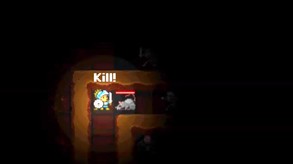
A challenging rogue-like puzzler inspired by the classic Tower of the Sorcerer. Play as a human knight who fights his way out of a deep dungeon by slaying monsters and solving intricate puzzles.
Modeled estimate, not a reported figure. How we estimate →
Media
About
Genres
Stats
All-time low is the lowest price we've recorded for this game since we started tracking it.
Languages: English, Traditional Chinese, Russian, Spanish - Spain
Engagement
Hours played at review time, across 40 reviews with recorded playtime.
Reviews
Themes across 40 recent reviews and how positive each mention is. A keyword signal, not full sentiment analysis.
positive critical· bar length = how often the theme comes up
Reviews
垃圾游戏,用了复活石直接回档是吧,不会做游戏可以不做,硬蹭魔塔玷污名作
DungeonUp (2015, разработчик — Plug In Digital) — рогалик‑головоломка с элементами стратегии в пиксельном стиле. Суть: выбраться из подземелья, преодолевая 50 уровней. Принимать решения — сражаться с врагами (в т. ч. драконами) или искать обходные пути, управлять ресурсами (ключами, зельями и т. д.). Ключевые особенности: процедурно генерируемые подземелья (каждый заход уникален); пошаговое исследование и бои; стратегическое планирование ходов; механика permadeath (полная потеря прогресса после смерти, кроме редких «камней души»); пиксель‑арт и атмосферный саундтрек; два режима (в т. ч. казуальный — с автовыдачей ключей); платформы: PC, macOS, Android. Минусы: неравномерная сложность из‑за генерации уровней; риск «несправедливых» запусков (слишком легко/сложно); неудобное управление на маленьких экранах (не для устройств < 4,5″); ограниченный прогресс между прохождениями. Итог: напряжённый рогалик для любителей тактики и вызовов. Подойдёт фанатам FTL и Crypt of the NecroDancer. Лучше брать по скидке. Прохождение — несколько коротких сессий (зависит от удачи и навыков).
這遊戲用魔塔的大名來宣傳自身根本是對魔塔的褻瀆 故事模式的地圖並非固定,而是採用隨機生成 怪物數據跟BOSS層配置抄襲50層魔塔 我是絕不會允許這個畜生作者用他的渣粹遊戲從我手中拿到任何金錢的! 來吧,我要搖旗倒讚後退款!
The game is not very good tbh but for like a buck its a good time sink to turn your mind off to
DungeonUp, developed by Clewcat Games and published by Plug In Digital, is a compact but surprisingly cerebral dungeon crawler that reframes familiar roguelike conventions through a lens of planning, foresight, and risk management. While it borrows visual and structural cues from classic dungeon adventures, DungeonUp distinguishes itself by slowing the pace and turning nearly every action into a calculated decision. Rather than emphasizing reflexes or chaotic combat, the game asks players to think several steps ahead, making it feel closer to a strategic puzzle experience wrapped in the skin of a roguelike. The core loop places you in control of a lone knight ascending through procedurally generated dungeon floors filled with monsters, locked doors, traps, keys, and upgrade opportunities. Enemies do not roam or chase you in real time; instead, they occupy fixed positions, transforming encounters into deliberate choices rather than spontaneous reactions. Before engaging in combat, players can usually predict the outcome, allowing them to decide whether a fight is worth the cost. This deterministic approach removes guesswork from individual battles and shifts the challenge toward route planning, resource conservation, and long-term survival. Dungeon layout and progression are driven heavily by procedural generation, ensuring that no two runs are identical. Each floor presents a new configuration of rooms, corridors, enemies, and keys, requiring players to adapt constantly. Keys are a central mechanic, as doors often block access to upgrades, treasure, or even the exit itself. Deciding which doors to open and which to ignore becomes a meaningful strategic choice, especially when resources are limited. Opening the wrong path too early can leave you underpowered later, while hoarding keys may restrict growth and lead to missed opportunities. Resource management plays a defining role in the experience. Gold earned from defeated enemies can be spent at altars to improve stats such as health, attack, or defense, but these upgrades are spaced out in a way that rewards patience. Spending too freely early on can result in marginal gains, while saving gold for later floors often leads to more impactful upgrades. This creates a satisfying tension between short-term safety and long-term power, encouraging players to think beyond the current floor and plan for what lies ahead. As runs progress, the game introduces additional layers through boss encounters and the Soul Stone system. Soul Stones act as a meta-resource earned across runs and can be spent on powerful effects such as resurrection or rare items. This introduces a light rogue-lite element, giving players a sense of persistence and progression even after failure. While this system adds accessibility and flexibility, it can also subtly shift the balance of the game, as accumulated Soul Stones can reduce the severity of mistakes and make certain runs feel more forgiving than intended. Visually, DungeonUp embraces a clean, retro-inspired pixel art style that prioritizes clarity over spectacle. Floors, enemies, and interactive objects are easy to read at a glance, which is essential in a game built around careful planning. The presentation evokes classic dungeon crawlers without feeling cluttered or outdated, and the restrained visual design keeps attention focused on decision-making rather than visual effects. Sound design and music are similarly understated, providing atmosphere without distracting from the strategic core of the gameplay. Difficulty scaling is another notable aspect of DungeonUp’s design. Multiple difficulty levels allow players to tailor the experience to their comfort with risk and complexity, with higher settings amplifying the consequences of poor planning and unlucky generation. On these harder modes, the game’s reliance on randomness becomes more apparent, and some runs can feel harsh due to unfavorable layouts or item distribution. While this unpredictability adds replay value, it can occasionally cross the line into frustration when progression feels blocked by factors beyond player control. Additional modes and features, such as Maze Mode and a level editor with Steam Workshop support, extend the game’s longevity for those who wish to explore beyond standard runs. These options add variety and creative potential, though they are more niche and may not appeal to all players. The main appeal remains the core dungeon ascent, where the balance between knowledge, restraint, and calculated risk defines success. Ultimately, DungeonUp is a game that rewards patience and thoughtful play above all else. It strips away much of the chaos associated with roguelikes and replaces it with a slower, more deliberate rhythm where every step matters. While its reliance on procedural generation and meta-progression can occasionally undermine its strategic purity, its focus on planning, resource management, and deterministic encounters gives it a distinct identity within the genre. For players who enjoy dungeon crawlers that challenge the mind more than the reflexes, DungeonUp offers a focused and satisfying experience that feels deceptively simple but quietly demanding beneath the surface. Rating: 7/10
Why this game is so addictive? Simple but so much fun...... What a masterpiece....
полная ...
真无语了,BOSS初见杀就算了,留了一个复活石,结果复活是复活到上一个BOSS层结束,这十层全白玩。不仅如此,我先前用复活石换的道具也扣掉了,复活石也没还给我。
幻术师太可恶了
е.б.@.н.ы.й позоный рогалик 7 часов потрачены просто в пустую
Related
Related
Trends
Concurrent players on Steam, sampled daily since tracking started.
Momentum
Pace estimated from the game's recent review growth (our daily snapshots) at its own sales-per-review ratio — a momentum signal, not booked sales.
Audience
Estimated from the language of this game's reviews — a proxy for where players are, not official Steam demographics.
Related
| Clicker Clicker Clicker | $10.1K | 105 | 65% | $1.49 |
| Ghosts of Miami | $10.2K | 67 | 87% | $8.99 |
| AQUA KITTY UDX | $10.1K | 70 | 84% | $6.99 |
| AudioTheory Guitars | $10.1K | 90 | 86% | $6.99 |
| ReMix | $10.1K | 98 | 82% | $5.99 |
| 北斗将星录 | $10.1K | 63 | 83% | $6.99 |