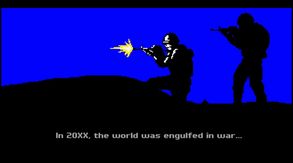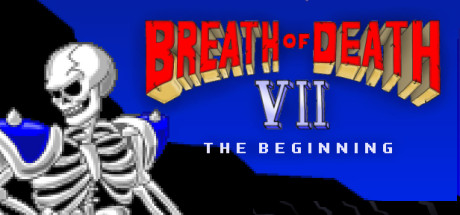
Resurrect the classic era of RPGs with the retro parody RPG, Breath of Death VII: The Beginning. Join Dem the Skeleton Knight, Sara the ghost historian, Lita the vampire techie, and Erik the zombie prince as they explore an undead world in search of the secrets of the past. Laugh! Cry! Laugh some more!
Modeled estimate, not a reported figure. How we estimate →
Media

About
Genres
Stats
All-time low is the lowest price we've recorded for this game since we started tracking it.
Languages: English
Engagement
Hours played at review time, across 41 reviews with recorded playtime.
Reviews
Themes across 41 recent reviews and how positive each mention is. A keyword signal, not full sentiment analysis.
positive critical· bar length = how often the theme comes up
Reviews
Simple and charming, taking a good amount from the classic style with just enough modern touches to make it feel a bit less time devouring without losing the grindiness of the old school JRPG style (I played on hard mode, presumably the game is even more streamlined on the lower difficulties). It's got lots of good music and a casually quirky but completely nothing story which leans into it and is for the better as a result. Certainly not a modern classic or anything, but a really nice light hearted palette cleanser that's not trying to be anything it isn't.
Has jugado Cthulu saves the world? Juega a esto YA.
Llevo años y años jugando RPGs, sobre todo por turnos. Desde los primeros Final Fantasy y Dragon Quests hasta maravillas como FFVI, Chrono Trigger y Terranigma. Nunca me pasé del todo al 3D porque se me hizo poco intuitiva la exploración, y sé que mucha gente se quedó en la misma era que yo, y sienten nostalgia al jugar cualquier buen RPG que le haga homenaje a esa época. Y eso es lo que es este juego. No una parodia, un homenaje. No sólo por tener una estética gráfica 8 bitera, ni por el humor y las referencias, que son muchas. Es por el amor con el que está hecho. Tiene mecánicas que hubiesen sido rompedoras en aquella época: poder guardar en cualquier momento, número fijo de batallas por zona (muy útil para explorar mazmorras una vez que las limpiaste, y pudiendo seguir luchando si lo deseas), recuperar vida después de cada batalla (y así no abusar de pociones, un mal endémico de la época), poder elegir dificultad (utilísimo), y algunas más que se me olvidan. Son mejoras sustanciales pero que no le quitan espíritu: se siente como un homenaje desde el principio, y está hecho par quienes vivimos esa era. Así lo sentí yo, y supongo que no es para todo el mundo, pero tampoco pretende serlo. No lo he terminado. Voy disfrutándolo despacio, avanzando de a poco. Sé que es corto y quiero que me dure. Lo cierto es que no esperaba nada de él y me ha maravillado. Sé que no a todos les gustará, pero a quienes les gusten los RPGs clásicos quedarán encantados como yo. Recomendado 100%.
Breath of Death VII: The Beginning, developed and published by Zeboyd Digital Entertainment, is a loving parody of the classic 8-bit and 16-bit Japanese role-playing games that defined the early generations of console RPGs. Despite its humorous tone and tongue-in-cheek title—there are no prior six entries—the game is more than just a nostalgic spoof. It’s a compact, well-designed homage that manages to combine familiar mechanics, brisk pacing, and clever writing into a satisfying experience that feels both nostalgic and refreshingly efficient. Set in a post-apocalyptic world populated by the undead, the story follows Dem, a silent skeleton hero, on his quest to uncover the lost history of civilization. What begins as a simple journey soon becomes a lighthearted romp through the remnants of a dead world, filled with self-aware humor, endearing characters, and surprisingly tight gameplay. The premise is intentionally absurd yet charming. Humanity has long since vanished, and the undead—skeletons, ghosts, zombies, and vampires—have taken their place as the dominant species. Dem, a heroic skeleton knight with a dry wit revealed only through internal monologues, teams up with a ghostly historian named Sara to rediscover the secrets of the old world. Along the way, they are joined by Lita, a vampire inventor, and Erik, a zombie prince. The group’s dynamic is one of the game’s strongest points. Each character has a distinct personality, and their banter delivers a steady flow of jokes, references, and commentary on RPG tropes. The writing is sharp and self-aware, constantly poking fun at genre conventions—from random encounters and save points to the clichés of heroic destiny—without ever slipping into cynicism. It’s a game that celebrates its inspirations as much as it teases them. While Breath of Death VII’s story is intentionally simple, its humor and pacing keep it engaging throughout its short runtime. The developers clearly understood that not every RPG needs to sprawl across dozens of hours; instead, the game delivers a tightly focused experience that can be completed in about four or five hours. Every dungeon, dialogue, and battle feels purposeful, and there’s very little filler. This design philosophy extends to exploration, where maps are compact and streamlined, and random encounters are capped per area. Once you’ve fought the maximum number of battles in a zone, you can explore freely without being interrupted, a brilliant tweak that respects the player’s time while still maintaining the spirit of classic RPG adventuring. This balance of nostalgia and modern sensibility is what makes the game’s design so effective—it gives players the retro experience they remember, but without the grind or tedium that often accompanied it. Combat is another area where Breath of Death VII distinguishes itself. At first glance, its turn-based battles look straightforward, but there are subtle mechanics that add real depth. Each turn you spend in combat increases enemy strength by a percentage, forcing you to finish fights quickly and efficiently. This design introduces an element of tension, pushing players to think strategically rather than simply spamming attacks. The combo system further reinforces this idea, rewarding consecutive actions that chain into more powerful finishing moves. The result is a combat loop that feels brisk and satisfying, where every decision—when to defend, when to heal, when to unleash a powerful combo—matters. After each fight, health is automatically restored, removing the need for tedious recovery after routine battles, though mana points remain limited. This creates a natural push-and-pull between aggression and resource management that keeps the battles interesting even late into the game. The character progression system also reflects the game’s streamlined design philosophy. When characters level up, players are given a choice between two upgrade options, often forcing a meaningful decision between different playstyles. For example, you might choose between improving a skill’s raw power or reducing its mana cost, or between boosting attack power and enhancing support abilities. These binary upgrades may seem simple, but they give each character a sense of personalization and prevent leveling from feeling mechanical. The system reflects Zeboyd’s talent for condensing the best elements of RPG progression into something light and intuitive without sacrificing strategy. The presentation of Breath of Death VII, especially in its remastered “Reanimated” edition, captures the retro aesthetic with vibrant precision. The game embraces a 16-bit style, full of bright sprites, detailed backgrounds, and colorful battle effects. Each location—from crypts and ruined cities to ancient dungeons—is distinct and evocative, managing to evoke the feel of a grand world within a small scale. The visuals are sharp and clean, updated enough to look good on modern hardware without losing their classic charm. The soundtrack, composed by Hyperduck SoundWorks, enhances the experience with energetic battle themes and melodic overworld tracks that perfectly capture the spirit of early console RPGs. The music is both nostalgic and modern, full of catchy rhythms that fit the game’s mix of comedy and adventure. While Breath of Death VII’s compact length and parody tone are key to its charm, they also limit its emotional depth. The story doesn’t aspire to deep character arcs or dramatic twists, and some players may find it too brief or lightweight compared to the sprawling narratives of the games it references. Certain characters, like Erik and Lita, could have benefited from more development, and the ending, while humorous, arrives abruptly. Still, these shortcomings are understandable given the game’s scope and tone. It was never meant to rival the emotional gravitas of a traditional RPG epic; instead, it thrives on being a breezy, self-contained experience that knows exactly how long to last before it overstays its welcome. Ultimately, Breath of Death VII: The Beginning succeeds because it understands the essence of what made early JRPGs memorable—adventure, humor, and charm—while shedding the excesses that often bogged them down. It delivers fast-paced battles, clever writing, and a world that feels alive despite its tongue-in-cheek premise. The combination of retro visuals, an excellent soundtrack, and smart design choices makes it a joy to play from start to finish. For longtime fans of classic RPGs, it’s a nostalgic return to form; for newcomers, it’s an accessible introduction to the genre’s foundations. It’s not a grand epic or a groundbreaking reinvention, but that’s precisely its strength—it’s a reminder that sometimes, the best games are the ones that don’t try to be more than they need to be. Breath of Death VII stands as a testament to how simplicity, humor, and genuine affection for the genre can come together to create a memorable adventure that’s as fun to play as it is to laugh with. Rating: 8/10
Funny & meta + short
Kind of goofy, but I'm not a fan of this style of RPGs. It's a no from me dog. Not recommended
A short and fun parody of older turn-based RPGs while still managing to have fun and interesting gameplay. Cheap by default and even cheaper when on sale, It's well worth picking up.
Simple, but satisfying.
A short but enjoyable spin on JRPGs; pokes fun at the tropes of the genre, but it actually has a decent battle system. Also, it frequently goes on sale for less than a buck WITH another game! Full video review: https://youtu.be/LC6CfVa3dso
It's a brief RPG parody that feels very influenced by the early ages of JRPGs, where battles feel more like a puzzle rather than hehe numbers go high, and you can die easily if you're not paying attention. Be sure to remember that you can save at anytime. Music was actually kinda good.
Related
Related
Trends
Modeled estimate over time, reconstructed from Steam's monthly review histogram.
Audience
Estimated from the language of this game's reviews — a proxy for where players are, not official Steam demographics.
Related
| Timemelters | $103.7K | 193 | 93% | $19.99 |
| Zup! Zero | $103.7K | 2.7K | 93% | $1.99 |
| Nayuta no Kiseki: KAI | $103.7K | 152 | 86% | $34.99 |
| The Baconing | $103.7K | 262 | 78% | $14.99 |
| AfterWar | $103.7K | 142 | 74% | $24.99 |
| Hospitalize | $103.7K | 171 | 40% | $15.99 |