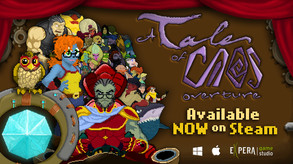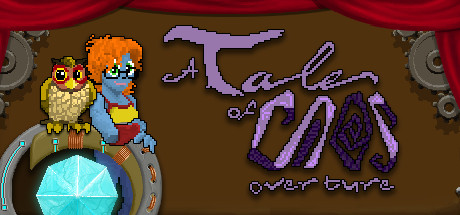
An epic journey begins! Terry, a brilliant, messy girl, is beginning her greatest adventure, following her master, Albion McMaster, whose goals are quite dark and mysterious. With Heimlich, her mechanical owl and best friend, Terry will travel through amazing worlds and many unpredictable dangers!
Modeled estimate, not a reported figure. How we estimate →
Media
About


Stats
All-time low is the lowest price we've recorded for this game since we started tracking it.
Languages: English, Italian, French
Engagement
Hours played at review time, across 40 reviews with recorded playtime.
Reviews
Themes across 40 recent reviews and how positive each mention is. A keyword signal, not full sentiment analysis.
positive critical· bar length = how often the theme comes up
Reviews
Где русский, алло, за шо плачу в квестах?
Uninteresting story and unappealing characters. Also the owl keeps staring at me.
有卡 有成就 没中文 《混沌传说:序曲》 重要提示 “Caos”不是拼写错误。它不是“chaos(混乱)”,而是“Caos”。 **故事** 特里比利娅·范·奎因,又名特里,是一名科技魔法师学徒。她既聪明机智,又容易冲动且注意力不集中。凭借非凡的天赋,特里创造出了许多令人惊叹的发明,其中最突出的当属海姆利希,一只会说话的机械猫头鹰,它也是特里最好的朋友,会陪伴她参与每一次冒险。 经历了许多波折后,特里终于开始在传奇人物阿尔比恩·麦克马斯特门下当学徒。麦克马斯特被公认为有史以来最伟大的科技魔法师,他脾气暴躁且充满神秘感。如今,跟随新师父的特里,必须达到麦克马斯特的期望,并与他一同踏上一场新的伟大冒险。 麦克马斯特正在追踪一件神秘的神器,借助这件神器,他或许能够完成自己的宏伟计划。 特里能够帮助她的师父实现目标吗? 特里真的能弄清楚这个目标究竟是什么吗? 海姆利希能够阻止她陷入太多麻烦吗? 还有,我把烤箱里的烤肉取出来了吗? 几乎所有这些问题都将在《混沌传说:序曲》中得到解答! **第一幕:陷入困境——已推出** **第二幕:前往莫德伦——已推出** **第三幕:夸尔齐格拉斯的秘密——已推出** 注意:购买这款游戏后,你将可以立即游玩这三幕内容。 **游戏特色** - 三幕剧情,提供超过10小时的游戏时长。 - 拥有非常深刻且复杂的情节,充满了各种转折。 - 对话和情节中充满了令人耳目一新的幽默元素。 - 有一些需要解决的谜题和小游戏。 - 在游戏的每一幕中都有一个需要找到的秘密房间。 - 有许多可以与之互动的原创角色。 - 采用像素风格且色彩丰富的画面,向90年代的经典游戏致敬。 - 原创的游戏配乐。 - 有奇特的发明、奇幻的生物以及超现实的世界。 - 得益于相位探测器,无需进行繁琐的像素搜寻。 - 游戏菜单中集成了帮助系统(“攻略”选项),提供三个级别的详细信息:从简单的提示,到关于下一步该做什么的确切建议。
Ante todo recibí el producto de forma gratuita de manos de sus desarrolladores, pero eso no ingfluye en mi reseña. -IMPORTANTE: el juego no está en idioma castellano. "A tale of Caos" es un aventura Point and Click tradicional que tal vez no deslumbra pero que no falla en otorgar lo básico del género. Puede criticarse el apartado estético y la falta de fluidez en la interacción con los objetos (que a veces solo se menciona y no se muestra), pero en general estas cosas no impiden disfrutar del juego. Las ayudas dentro del juego son muy utiles, tanto en forma de consejos de nuestro compañero pajarito robótico como en las notas de "Walktrough" y vienen utiles en esas partes nunca faltas de Point and Click donde no tiene mucha lógica lo que debe hacerse. La historia es básica y el humor no es tan bueno, tirando guiños fallidos que carecen de bastante remate efectivo. Pero todo lo dicho solo nos permite clasificar a este juego como una aventura Point and Click más que los jugadores casuales pueden disfrutar y que tal vez solo disguste a los exigentes fanáticos del género. Recomiendo que lo compren en rebajas y le den una oportunidad.
⣿⣿⡻⠿⣳⠸⢿⡇⢇⣿⡧⢹⠿⣿⣿⣿⣿⣾⣿⡇⣿⣿⣿⣿⡿⡐⣯⠁ ⠄⠄ ⠟⣛⣽⡳⠼⠄⠈⣷⡾⣥⣱⠃⠣⣿⣿⣿⣯⣭⠽⡇⣿⣿⣿⣿⣟⢢⠏⠄ ⠄ ⢠⡿⠶⣮⣝⣿⠄⠄⠈⡥⢭⣥⠅⢌⣽⣿⣻⢶⣭⡿⠿⠜⢿⣿⣿⡿⠁⠄⠄ ⠄⣼⣧⠤⢌⣭⡇⠄⠄⠄⠭⠭⠭⠯⠴⣚⣉⣛⡢⠭⠵⢶⣾⣦⡍⠁⠄⠄⠄⠄ ⠄⣿⣷⣯⣭⡷⠄⠄⢀⣀⠩⠍⢉⣛⣛⠫⢏⣈⣭⣥⣶⣶⣦⣭⣛⠄⠄⠄⠄⠄ ⢀⣿⣿⣿⡿⠃⢀⣴⣿⣿⣿⣎⢩⠌⣡⣶⣿⣿⣿⣿⣿⣿⣿⣿⣿⣿⣆⠄⠄⠄ ⢸⡿⢟⣽⠎⣰⣿⣿⣿⣿⣿⣿⢀⣾⣿⣿⣿⣿⣿⣿⣿⣿⣿⣿⣿⣿⣿⣦⠄⠄ ⣰⠯⣾⢅⣼⣿⣿⣿⣿⣿⣿⡇⣾⣿⣿⣿⣿⣿⣿⣿⣿⣿⣿⣿⣿⣿⣿⣿⡄⠄ ⢰⣄⡉⣼⣿⣿⣿⣿⣿⣿⣿⢸⣿⣿⣿⣿⣿⣿⣿⣿⣿⣿⣿⣿⣿⣿⣿⣿⣧⠄ ⢯⣌⢹⣿⣿⣿⣿⣿⣿⣿⣿⢸⣿⣿⣿⣿⣿⣿⣿⣿⣿⣿⣿⣿⣿⣿⣿⣿⣿⠄ ⢸⣇⣽⣿⣿⣿⣿⣿⣿⣿⣿⠸⣿⣿⣿⣿⣿⣿⣿⣿⣿⣿⣿⣿⣿⣿⣿⣿⣿⠄ ⢸⣟⣧⡻⣿⣿⣿⣿⣿⣿⣿⣧⡻⣿⣿⣿⣿⣿⣿⣿⣿⣿⣿⣿⣿⣿⣿⣿⣿⠄ ⠈⢹⡧⣿⣸⠿⢿⣿⣿⣿⣿⡿⠗⣈⠻⣿⣿⣿⣿⣿⣿⣿⣿⣿⣿⣿⣿⣿⡇⠄ ⠄⠘⢷⡳⣾⣷⣶⣶⣶⣶⣶⣾⣿⣿⢀⣶⣶⣶⣾⣿⣿⣿⣿⣿⣿⣿⣿⣿⠇⠄ ⠄⠄⠈⣵⣿⣿⣿⣿⣿⣿⣿⣿⣿⣿⢸⣿⣿⣿⣿⣿⣿⣿⣿⣿⣿⣿⣿⣿⠄⠄ ⠄⠄⠄⠸⣿⣿⣿⣿⣿⣿⣿⣿⣿⣿⠘⣿⣿⣿⣿⣿⣿⣿⣿⣿⣿⣿⣿⠇⠄⠄
A Tale of Caos: Overture is a traditional point-and-click adventure that openly embraces its classic roots while trying to carve out a distinctive identity through quirky writing, eccentric characters, and a whimsical fantasy setting. Developed by ExperaGameStudio and published by Eli Daddio, the game serves as an introduction to the world of Caos, presenting a self-contained story that also functions as a narrative foundation for future entries. From the outset, it signals its affection for old-school adventure design, favoring dialogue-heavy storytelling, inventory-based puzzles, and richly described environments over modern conveniences or streamlined pacing. The story follows Terribilia “Terry” Van Quinn, a talented but impulsive apprentice working under the gruff and enigmatic technomancer Albion McMaster. Alongside her mechanical owl companion Heimlich, Terry is drawn into a series of increasingly strange events that gradually expand from a seemingly small-scale problem into a broader mystery. The narrative unfolds across three acts, each introducing new locations, characters, and complications. The writing places a strong emphasis on humor and personality, with conversations often stretching long and indulging in playful banter, absurd situations, and self-aware fantasy tropes. This approach gives the world a lively and often charming tone, though it also demands patience from players who may prefer tighter storytelling. Gameplay adheres closely to the classic point-and-click formula. Players explore static screens, examine objects, collect items, and combine them in sometimes unexpected ways to progress. Progression often depends on careful observation and thorough interaction with the environment, as important clues are frequently hidden in descriptive text rather than visual cues. This design choice reinforces the game’s retro sensibility, asking players to read closely and think laterally, but it can also feel dated for those accustomed to more visually expressive adventure games. The interface is functional and familiar, offering a straightforward experience that prioritizes puzzle-solving over spectacle. Puzzle design is one of the game’s most defining and divisive elements. Many challenges are thoughtfully constructed and reward logical reasoning or creative item usage, particularly in the early stages where solutions feel intuitive and satisfying. As the game progresses, however, puzzles become more complex and occasionally opaque, requiring extensive backtracking or experimentation with a growing inventory. To mitigate potential frustration, the developers included an in-game hint system with multiple levels of guidance, allowing players to nudge themselves forward without fully spoiling solutions. This inclusion acknowledges the sometimes unforgiving nature of classic adventure design and helps make the experience more approachable. Visually, A Tale of Caos: Overture employs a pixel art style that deliberately evokes adventure games of the 1990s. Environments are colorful and varied, ranging from murky swamps to strange settlements and mysterious ruins, each contributing to the game’s eccentric fantasy atmosphere. Character portraits and backgrounds are expressive enough to convey personality, even though animations are limited and much of the action is conveyed through text. The presentation may feel modest or static by modern standards, but it maintains a consistent aesthetic that complements the tone of the writing. Sound design and music play a supporting role, reinforcing the mood of each location without overwhelming the experience. The soundtrack helps establish a sense of adventure and curiosity, while ambient effects add subtle texture to the environments. While not particularly memorable on its own, the audio presentation serves its purpose well, enhancing immersion during long stretches of exploration and dialogue. Overall, A Tale of Caos: Overture is a game that wears its influences proudly and makes few concessions to modern trends. Its strengths lie in its writing, world-building, and commitment to classic adventure mechanics, offering a substantial experience for players who enjoy methodical puzzle-solving and narrative depth. At the same time, its heavy reliance on text, uneven pacing, and occasionally obscure puzzles may deter those seeking a more streamlined or visually dynamic adventure. For fans of traditional point-and-click games and players who appreciate quirky fantasy worlds filled with humor and eccentric characters, it delivers a sincere and often rewarding journey that feels like a deliberate homage rather than a casual throwback. Rating: 6/10
This game is.. frustrating. Most of the puzzles are bizarre and obtuse. Characters only have standard breathing idle animations, even when something dramatic or emotional is happening. The story is confusing and ends on a cliffhanger. Much of the music doesn't fit the tone or scene at ALL. In particular, some of the more “ tense” and “dangerous” moments are almost comical. Dramatic music plays while the main character stands with a stock idle animation talking to some npc in lengthy, boring dialogue trees. It’s hard to take it seriously when the main character is just standing there smiling and fiddling with her glasses. In addition, many important scenes are low resolution comic book style vignettes. OR, even worse : Ya know how silent films back in the 20’s, films couldn’t have voices, so they’d just cut away to to a black screen with text ? Thats what this game does! Except nothing about this game invokes the 1920’s at all. Those cutaways are here solely to not have to animate something. The game attempts to solve the pixel hunting problem present in many point n’ click games to mixed results. On one hand, having a device that highlights all clickable items is good! But then the game kneecaps itself. Often times, important items or scenery are not clickable early on, not even to be commented or inspected, but STILL present. THEN later, after you solve an arbitrary puzzle, will become clickable. But the player isn’t clued into this at all. absolutely nothing happens to indicate that offscreen, in a completely different area, suddenly you can click some random thing. Overall, the game feels rushed. Would not recommend.
Στα [+] • Ευχάριστοι διάλογοι, καλό χιούμορ, συμπαθητικοί γρίφοι. Στα [-] • Δέν υπάρχει στόν Τίτλο η ένδειξη ότι πρόκειται γιά τήν κυκλοφορία τής Act I καί όχι ολόκληρου τού παιχνιδιού. • Μικρής έκτασης: τό βασικό μειονέκτημα κάθε τεμαχισμένου Τίτλου που, όσο καλό κι άν είναι, πολύ δύσκολα θά μπορέσει νά ξεπεράσει τήν αίσθηση τού κενού πού αφήνει πίσω του. • Τό πιό "ακίνητο" παιχνίδι από τήν εποχή τών Text Adventures... Οι ήρωες είναι εντελώς στατικοί καί τά πάντα λειτουργούν κι εξηγούνται μέσα από διαλόγους καί μονολόγους... Συνοψίζοντας • Τό χιούμορ καί κάποιοι έξυπνοι γρίφοι σέ κάνουν νά παραβλέπεις τήν παλαιολιθική εμφάνισή του καί σέ κάνουν νά υποθέσεις ότι άν καί όταν ολοκληρωθεί, η εντύπωση πού θ' αφήνει θά είναι αρκετά καλύτερη. Μέχρι τότε όμως, δέν θάλεγα ότι ανήκει στήν κατηγορία παιχνιδιών πρώτης επιλογής. Βαθμολογία: 2,5/5 http://adventures-index10.blogspot.com/2016/12/a-tale-of-caos-overture.html
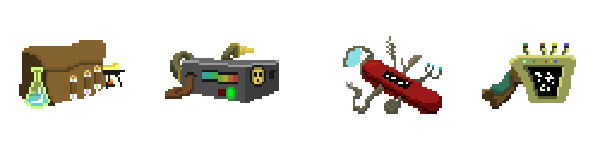
A Tale of Caos: Overture is apparently the second game in a trilogy. The first game is 'A Tale of Caos: Prelude' and the third (which I'm not even sure has been finished/released yet) is 'A Tale of Caos: Symphony". Unfortunately neither are available on Steam. A side adventure which is sort of a prequel, called 'Rogue Quest' featuring the character Cassandra Nech is available on Steam. I've played Rogue Quest and found it to be a really fun but unfortunately very short game. ATOC:Overture however is much longer and not quite as fun in my opinion. The game is a retro style pixel animation. For the style it is pretty good but the graphics aren't really super fantastic. The backgrounds and settings while done ok seem to lack interest in most places. The characters all seem to have extremely odd designs too. I'm guessing because they are in an intergalactic setting and trying to make diverse alien looking characters but many of the designs come across as more silly cartoonish looking humans as opposed to diverse humanoid species. Another thing I find a little weird is that there's almost zero character animation. Mostly you see characters breathing (rather fast breathing patterns). The main character doesn't even have a walk animation. You click on the next scene and it fades out and then fades in on the next scene. You never see the character move to touch or examine anything. This makes it a little confusing an frustrating walking around exploring too since it's hard to tell which direction you came from or are heading. The background sounds were okay but I didn't care for most of the background music. I found it a little too repetitive in a bad way and it started to give me headaches listening to it. It was also very loud. For some reason (my PC doesn't do this with any other game or program... I checked) whenever I start the game my volume jumps up to 14 (I usually don't put it up past 10) so the loud music then is even louder but I have to set the volume down to 8 to make it bearable. I actually had to just mute my computer most of the time so I didn't have to hear anything. Don't get me wrong the sound's okay just not for long periods of time and I tend to play long sessions so in smaller amounts maybe the music isn't as irritating. The dialogues are all text based so there's no recorded voices but there are occasional recorded sound effects for some characters. The interface was okay but it left a lot to be desired. You access your menu/inventory by hovering the cursor over the bottom of the screen where it then pops up. This however frequently gets in the way if you need to access going south on a screen. The inventory can only display a certain number of items before you need to press a little button to go to the next set of items. That's not inherently bad design but the problem I had is that when you pick up one item and need to go to another inventory screen to combine it... it's difficult to figure out where to click. The hand holding the inventory object is large and there's no clear pointer spot so you have to keep clicking around to find the sweet sport to switch to the previous inventory slots. It was very frustrating and time consuming to do so and sometimes you end up dropping the item and having to go back and do it all over again. It makes randomly combining items to find solutions far more tedious. I also found that hot spots sometimes had a very small radius of recognition so it can be difficult to locate paths that you can take. You might be touching in the right general direction/area but not on the hotspot so you think you can't go there or interact with something. I found that a little annoying. I think the story itself is pretty interesting and certainly has potential but it starts off feeling like somethings missing which I think is because there's a game that comes before it and your're missing that part of the story. You get a little backstory but it doesn't feel like you're getting the whole story and so it's an awkward start. In addition some parts of the story don't seem to make much sense and our character seems far too naive and scatterbrained. They include a lot of pop culture and game references in the game including things from Doctor Who, Queen, King's Quest, Monty Python, and so many more. They are kind of fun to see in there but very few add to enjoyment or humor of the game. The puzzles and mini games I'm mixed on. On the one hand there's the mini games that involve Terry's tools which might have been okay of you only have to solve it once and then Terry remembers how to use it and just automatically does it in the future. However, that's not what happens and I find the multi-tool, alchemy, and eco-power tool mini-games to be too repetitive (you do them many times throughout the game) and tedious. I don't like those particular style mini games and having to repeat them so often is very frustrating. Only the alchemy tool has a skip option. As far other puzzles and mini games go some of them are fun and even clever. They follow a logical reasoning and make sense on what to combine, use, do. Others however, are not. Some of them are bizarre solutions that make no sense and use odd things that you would never think of combining together. Many times solutions require getting an item more than once or repeating a dialogue option multiple times. Like most P&C adventures your expected to exhaust all dialogue options to get all the clues and progress in the game but some of the puzzles or long dialogue based puzzles which are frustrating and time consuming. The game suffers from using the same types of puzzes/games again and again making them more boring as you progress in the game and leading you to feel more frustrated as you play through. I did end up using their included walkthrough a lot. At first just because there were achievements for doing so but then I found at times I would get so lost with what I needed to do or how to do it that I needed a hint anyways. If you're into achievements this game has quite a few and you could potentially get them all in one playthrough if you are careful and thorough. Many will unlock naturally as you play through the game but there are several that require you to do additional actions or discover secret rooms. Unfortunately there do not currently seem to be any guides for getting all the achievements and some are much more difficult to get. Even after hours of trying/searching I've been unable to find Act III's secret room earning one of the last 2 badges I missed. The other one I missed is never skipping the mini games for the tools. You'll want to keep that in mind if you want to get all the achievements in one playthrough. I played this game for about 19 hours (most of it going through long dialogue, walking back and forth, or trying every random item on things). At full price this about $0.47/hr of gameplay which isn't a bad price point in general but the gameplay's entertainment level kind of goes down as it seems to drag for long periods of the game. I'm giving it a recommendation but it's kind of borderline for me.
Related
Related
Trends
Concurrent players on Steam, sampled daily since tracking started.
Momentum
Pace estimated from the game's recent review growth (our daily snapshots) at its own sales-per-review ratio — a momentum signal, not booked sales.
Audience
Estimated from the language of this game's reviews — a proxy for where players are, not official Steam demographics.
Related
| Miracle Brave | $13.1K | 62 | 89% | $6.60 |
| Wabisabi SushiDerby | $13.1K | 82 | 96% | $4.49 |
| Ritus Exorcismus | $13.1K | 113 | 99% | $5.99 |
| Arcus Chroma: Classic | $13.1K | 158 | 95% | $3.99 |
| Bear Haven Nights | $13.1K | 105 | 87% | $4.99 |
| ManaCollect | $13.1K | 75 | 63% | $6.99 |