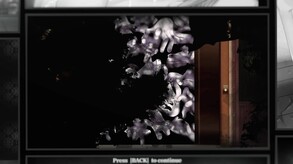
Witch 4 Hotel is a narrative-driven indie horror adventure developed and published by Towndarktales that continues the studio’s long-running Witch series by narrowing its focus onto a single, ominous location and the emotional consequences tied to it. Rather than escalating scope through spectacle or combat, the game doubles down on atmosphere, choice, and psychological tension. It frames its story around the uneasy return of familiar protagonists Chelsea and Melissa, who attempt to rebuild their lives after prior events only to find themselves entangled in a haunted hotel whose past refuses to stay buried. From the opening moments, the game signals its intent to tell a slower, more intimate horror story where dread comes from discovery and consequence rather than constant threat.
The narrative structure is one of the game’s defining elements. Events unfold across multiple timeframes, with Chelsea and Melissa experiencing the hotel from different points in its distorted history. Actions taken by one character subtly—or sometimes dramatically—reshape what the other encounters later, turning exploration itself into a form of cause-and-effect storytelling. This temporal interplay gives weight to even small decisions, as opening a door, solving a puzzle, or interacting with a spirit in one timeline can alter layouts, clues, or narrative context in another. The result is a story that feels layered and reactive, encouraging players to think beyond the immediate moment and consider how the hotel’s curse propagates through time.
Gameplay centers on exploration and puzzle solving rather than traditional survival horror mechanics. The hotel is dense with locked rooms, hidden passages, cryptic notes, and supernatural phenomena that function as both narrative devices and mechanical obstacles. Puzzles are generally grounded in environmental logic—keys, codes, time-based interactions—rather than abstract riddles, which helps maintain immersion. While none of the individual challenges are especially complex, their placement within a shifting timeline adds intrigue, as solutions are often dependent on information or actions taken earlier with the other protagonist. This design keeps engagement rooted in observation and memory, rewarding careful players without resorting to overt hand-holding.
Atmosphere is where Witch 4 Hotel most clearly asserts itself. The hotel is presented as a claustrophobic, decaying space, its hallways and rooms steeped in shadow and silence punctuated by unsettling audio cues. Sound design plays a crucial role, using ambient noise, distant whispers, and sudden tonal shifts to maintain unease even during quiet moments. Visually, the game is modest but effective, prioritizing mood over fidelity. Lighting, color choices, and environmental detail work together to create a sense of lingering presence, as though the building itself is watching and reacting to the player’s progress.
Choice and consequence extend beyond puzzles into the game’s adult-oriented content, which is optional and integrated into the branching narrative rather than presented as a detached feature. Player decisions determine whether these scenes are encountered and how they affect character relationships and outcomes. This approach reinforces the game’s broader themes of temptation, vulnerability, and the cost of unresolved trauma. Rather than existing purely for shock or novelty, these elements are woven into the emotional arcs of the characters, though their inclusion will naturally appeal more to players already familiar with Towndarktales’ style.
Pacing is deliberately measured. Witch 4 Hotel is not a game that rushes players from set piece to set piece; it allows tension to build gradually through repetition, familiarity, and subtle change. Returning to the same rooms across timelines and noticing what has shifted—or what stubbornly remains—creates a creeping sense of inevitability. For players who enjoy slow-burn horror and narrative exploration, this pacing enhances immersion. Those seeking frequent scares or action-driven gameplay may find the experience restrained, as the game favors sustained unease over spikes of adrenaline.
Reception among players reflects this focused design philosophy. Fans of the series and narrative horror often praise the game’s atmosphere, dual-timeline structure, and emphasis on story-driven choices. Some criticism points to rough edges in presentation or mechanics that feel underdeveloped compared to the game’s ambitions, but these shortcomings are often weighed against the strength of the setting and the satisfaction of unraveling the hotel’s mysteries. The game does not aim for broad appeal, instead catering to an audience that values mood, narrative consequence, and exploration over polish or complexity.
Ultimately, Witch 4 Hotel stands as a confident continuation of Towndarktales’ approach to horror storytelling. It succeeds not by reinventing the genre, but by refining a specific vision centered on haunted spaces, fractured timelines, and emotionally charged decisions. Its strengths lie in how it makes the player complicit in shaping the horror, turning curiosity into consequence and exploration into narrative momentum. For those drawn to atmospheric horror adventures with branching stories and a strong sense of place, it offers a memorable and unsettling journey that lingers long after the final door is opened.
Rating: 7/10