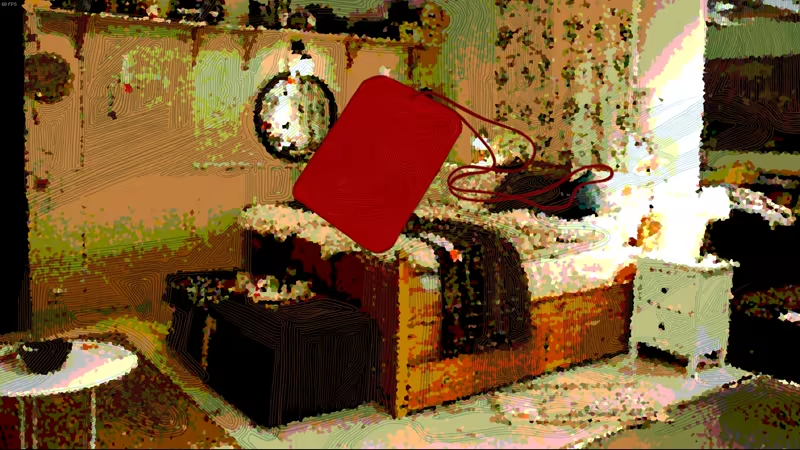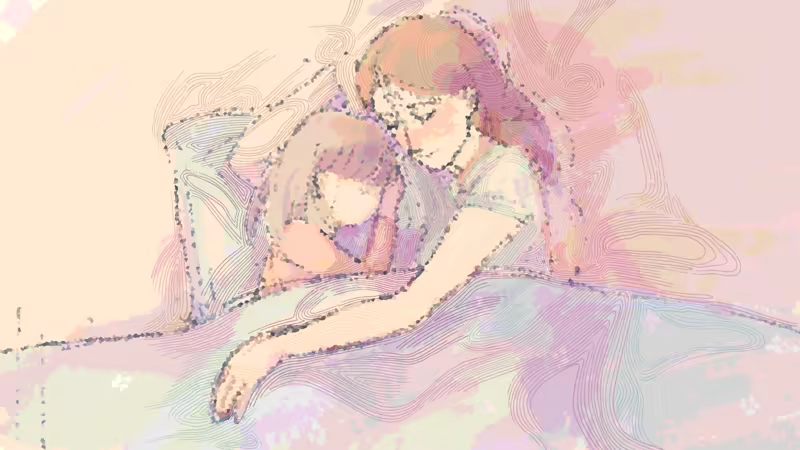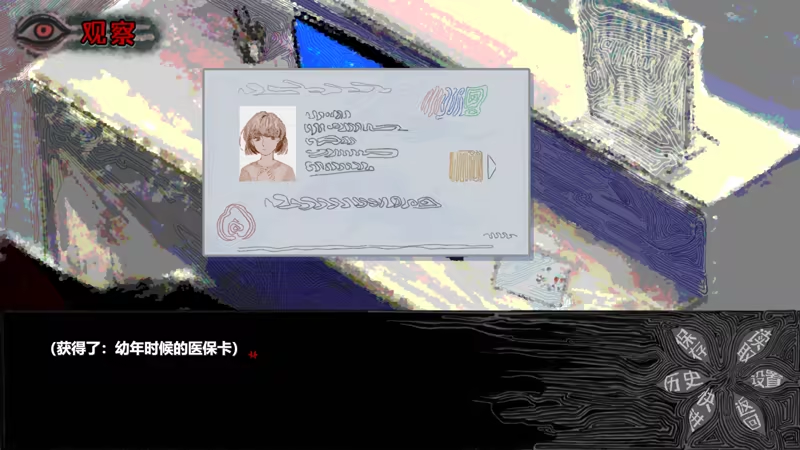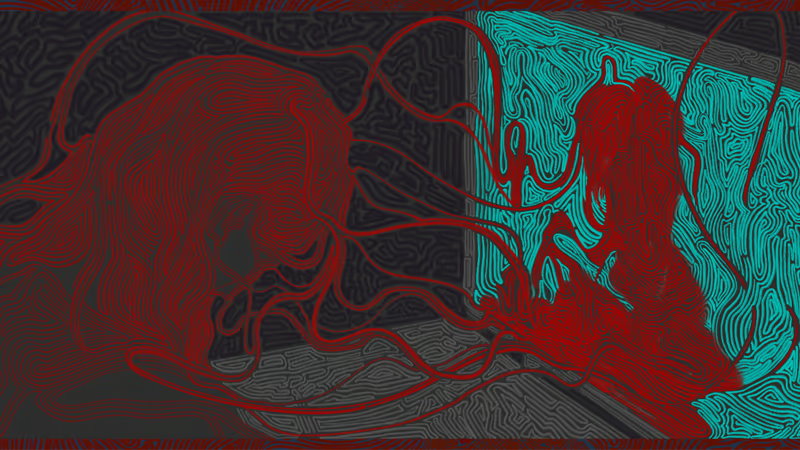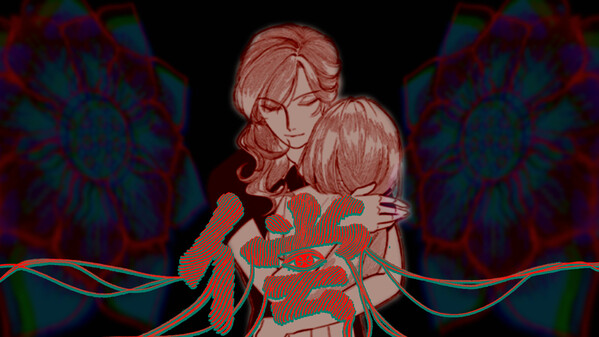
Lin Yue'an embarks on a journey home, but unsettling events soon disrupt her ordinary life. Strange dreams, lost memories, and eerie occurrences lead her to uncover hidden truths. Can she trace everything back to its true origin and escape the net of fate that has already been woven around her?
Modeled estimate, not a reported figure. How we estimate →
Media

About
Threads of Karma is a Chinese folk horror text-based game.
The story begins with the most ordinary of days. Lin Yue'an, a sophomore on winter vacation, drags her suitcase onto a high-speed train bound for home. Strange dreams, lost memories, and eerie events in her home seem to be just the beginning. Can she trace everything back to its true origin and escape the web of fate that has already been woven around her?
A cozy setup, kind relatives, and carefully prepared meals—everything seems as it always has been.
But the resignation of the housekeeper, scattered toys, and an amulet inexplicably appearing in her pocket hint at subtle abnormalities. Where will these clues lead?

Her late parents remain frozen in time within the photo frames.
Do the memories buried deep within her mind hold cherished moments with her parents, or are they hiding secrets left untold?

Clues of unknown origin, questions without answers…
As the fog of uncertainty thickens, what will you choose?

Greed arises from the human heart.
Events are strung together by the threads of karma.
Caught in the web of a carefully orchestrated fate, can Lin discover the sole path to survival?

Stats
All-time low is the lowest price we've recorded for this game since we started tracking it.
Languages: Simplified Chinese
Engagement
Hours played at review time, across 40 reviews with recorded playtime.
Reviews
Themes across 40 recent reviews and how positive each mention is. A keyword signal, not full sentiment analysis.
positive critical· bar length = how often the theme comes up
Reviews
*Threads of Karma*, developed by 萝卜不长毛线公司 and published by Hawthorn Games, is a narrative-driven psychological horror experience that leans more toward an interactive story than a traditional game. It builds its identity around a quiet, creeping sense of dread rather than overt scares, using everyday situations as a foundation before gradually unraveling them into something far more unsettling. From the outset, the game establishes a tone that is introspective and uneasy, inviting players to pay attention not just to what is happening, but to what feels slightly off beneath the surface. The story centers on Lin Yue’an, a university student who returns home and begins to experience strange, almost imperceptible distortions in her reality. What starts as subtle discomfort—odd dreams, misplaced objects, unfamiliar sensations in familiar places—slowly escalates into a layered narrative filled with fragmented memories and unresolved questions. The storytelling is deliberately paced, revealing information in pieces rather than delivering clear answers outright. This structure encourages players to interpret events themselves, creating a sense of involvement that goes beyond simple observation. Themes of consequence, guilt, and the cyclical nature of cause and effect are woven throughout, giving the narrative a philosophical weight that lingers even after the story concludes. Gameplay is intentionally restrained, focusing primarily on reading, making choices, and occasionally interacting with simple environmental elements. It does not attempt to challenge players with complex systems or mechanics; instead, it prioritizes immersion and narrative flow. Choices matter, though not in a dramatically branching, large-scale way. Rather, they subtly influence the tone and outcome of the story, reinforcing the idea that small decisions can have lasting effects. Light puzzle elements appear intermittently, but they serve more as pacing tools than as significant challenges. This approach makes the experience accessible, though it may feel too minimal for players expecting more interactivity. One of the game’s most distinctive qualities is its cultural foundation. Drawing from Chinese folklore and psychological horror traditions, it creates an atmosphere that feels both grounded and otherworldly. The horror does not rely on sudden shocks but instead emerges from the distortion of normal life—familiar environments that feel slightly wrong, everyday interactions that carry an unspoken tension. This approach gives the game a unique voice within the genre, especially for players who may be less familiar with these cultural influences. Symbolism plays a key role, and many of the game’s more unsettling moments are tied to ideas that resonate beyond the immediate narrative. Visually, *Threads of Karma* adopts a stylized, hand-drawn aesthetic that emphasizes mood over detail. The use of muted tones and simple character designs creates a subdued visual identity that complements the game’s tone. Backgrounds often feel intentionally sparse, allowing the player’s attention to focus on key details and narrative cues. While this minimalism works in favor of atmosphere, it can sometimes give the impression of limited production scope. The audio design, on the other hand, is more consistently effective, using subtle sound cues and restrained music to build tension and reinforce the emotional weight of certain scenes. The game’s limitations are most apparent in its scope and accessibility. Its relatively short runtime means that some narrative threads could have benefited from deeper exploration, and certain developments feel abrupt or underdeveloped as a result. Additionally, the heavy reliance on text combined with limited language support restricts its reach, making it less approachable for a global audience. There are also moments where pacing slows significantly, particularly during exposition-heavy segments, which may test the patience of some players. Despite these shortcomings, *Threads of Karma* succeeds in delivering a focused and memorable experience. It understands what it wants to be and commits fully to that vision, offering a story that is intimate, unsettling, and reflective. Rather than overwhelming players with scale or complexity, it draws them in through atmosphere and thematic depth, leaving a lasting impression through its subtlety. In the end, *Threads of Karma* is best appreciated as an interactive narrative that explores psychological horror through a cultural lens. It may not satisfy those looking for action or mechanical depth, but for players who value storytelling, mood, and introspection, it offers a compelling journey that lingers in the mind long after it ends. Rating: 6/10
对剧情文笔有要求的慎买,开头的文本笔力太空洞太出戏……虽然文本描写优秀与否对解谜游戏来说不太重要,但在有相当一部分文游玩法的情况下还是注意一点吧,我玩不到解谜部分就尬得不想再玩了。美术确实很优秀,光看美术方面物超所值。
简直就是花钱买罪受,文案错别字太多了,交互也经常出bug不得不回档,故事本来应该很有意思的但硬是表述得乱七八糟的,三个结局没一个真正让人看明白的,完全是一部还需要再沉淀沉淀的作品,画风还可以但游戏制作太差劲了,以目前的样子来说体验极其糟糕,,,如果后续游戏重置了再来更改评价,总体极其不推荐
为什么怎么打都是be借命,网上也没有任何教程
有点无聊,没有什么新奇的亮点,大概就是玩了几分钟就玩腻了吧。。。
刚上手真的被游戏的美术风格和音乐惊艳到了,手绘线描加上民俗元素,画面和配乐都超有氛围,尤其喜欢那种老电视、旧家具的中式复古质感。但是深入玩下去,尤其是剧情推进到中后期,问题就渐渐暴露了。最大的槽点就是剧情,节奏稀碎,铺垫又长又跑题,很多角色,比如柴道士前面戏很足,后期直接神隐,伏笔根本没回收。结局处理得不仅很仓促还很迷,好几个选择就很莫名其妙,报应和情感升华都不到位,玩完感觉就有点摸不着头脑。解谜部分也比较劝退,引导基本靠猜,有些环节不符合直觉,甚至还有遇到了BUG,必须频繁读档,还好有经常存档的习惯,要打完三个结局基本要靠攻略才能顺利通关。总的来说手绘美术和音乐确实很有风格,不过剧情和解谜是真不大好。游戏整体框架是有想法的,但是完成度不高,像是个半成品。
这个世界上没有无缘无故的事情,你的因果,不在与他之间,便在别处。 《偿》一款以中式民俗中的因果循环,报应不爽为核心的恐怖悬疑解密游戏。本作是由独立游戏制作人“萝卜不长毛”制作的,可能是由于一个人的精力有限,游戏在刚上线的时候小问题有不少,比如错别字以及一些物品不能够交互的bug等等,不过作者十分重视玩家的反馈,也在积极的更新,这点值得点赞。 玩家在游戏里面扮演一名幼时父母双亡被叔叔收养的大二的学生林悦安,而故事恰巧围绕着她以及她的叔叔一家进行展开。林悦安放寒假准备坐高铁回家,这本该是平凡的日常,却不曾想,她在高铁上面做了一个的诡异的梦并且想起了一些儿时的记忆。在回到叔叔家后,她发现那场梦境似乎只是一个开头。玩家需要帮助她找到丢失的记忆并逐步揭开隐藏在林氏一族背后的秘密。 游戏的玩法也非常常见,就是对话选择+场景互动+解密,不同的选择会使游戏的剧情走向不同的结尾,游戏的解密难度偏易,但是bug较多有点影响游戏的体验感。 本作最大的亮点就是它这个线条手绘风的美术了,线条以黑白为主(鲜艳的地方也不少),通过疏密扭曲的构图在某些部分会给人一种克系”不可名状“的感觉。背景音乐方面,有些地方则恰到好处,比如婴儿的笑声、脚步声等等,但更多时候会感觉有点吵,玩的比较心烦。 总体而言,本作算是一款不错的中式恐怖民俗游戏,流程较短且剧情有点偏意识流。可能是因为游戏成本的问题,游戏对一些配角的着墨太少。希望制作组在后续的更新中,给玩家带来更舒适的游戏体验吧! 新尾巴 [quote]关注鉴赏组:[url=https://store.steampowered.com/curator/45134494]浮生评测[/url] ←"浮生若梦,一鉴倾心,邀您共赏人间烟火" 加入Steam组:[url=https://steamcommunity.com/groups/LLFLLFF]浮生评测[/url]←“一起追寻'浮生若梦'般的游戏体验” 开始“浮生若梦”鉴赏组的奇幻之旅![/quote]
有中文 有成就 ⠀⠀⠀⠀⠀⠀⠀⠀⠀⠀⠀⠀⠀⠀⠀⠀⠀⠀⠀⠀⠀⠀⠀⠀⠀⠀⠀⠀⠀⠀⢀⠀⠐⠂⠒⠠⢄⠀⠀⠀⠀⠀⠀⠀⠀⠀ ⠀⠀⠀⠀⠀⠀⠀⠀⠀⠀⠀⠀⠀⠀⠀⠀⠀⠀⠀⠀⠀⠀⠀⠀⠀⠀⠀⠀⠀⠠⠀⠀⠀⠀⠀⠀⠀⠑⢄⠀⠀⠀⠀⠀⠀⠀ ⠀⠀⠀⠀⠀⠀⠀⠀⠀⣰⡀⠀⠀⠀⠀⠀⠀⠀⠀⠀⠀⠀⠀⠀⠀⠀⠀⠀⠀⠀⠀⠀⠀⠀⠀⠐⠒⠠⡀⠡⠀⠀⠀⠀⠀⠀ ⠀⠀⠀⠀⠀⠀⠀⢠⣾⣿⣷⡄⠀⠀⠀⠀⣀⣀⠀⠀⠀⢀⣾⣿⣿⣦⣄⡀⠀⠀⡀⠀⠀⠀⠀⠀⠀⠀⠈⠄⢣⠀⠀⠀⠀⠀ ⠀⠀⠀⠀⠀⠀⠀⣿⡿⣿⣿⣷⢀⣀⣤⣾⣿⣿⣿⣶⡄⣸⣿⣿⣿⣿⣿⣿⣷⣦⠀⠀⠀⠀⠀⠀⠀⠀⠀⢸⢸⠀⠀⠀⠀⠀ ⠀⠀⢳⣶⣶⣶⣶⣭⣅⡻⢟⣣⣾⣿⣿⣿⣿⣿⣿⡿⠧⠿⢿⣿⣿⣿⣿⣿⣿⣿⣇⠀⠀⠀⠀⠀⠀⠀⠀⢀⢸⠀⠀⠀⠀⠀ ⠀⠀⠀⢿⣿⣿⣿⣿⣿⣧⣿⣿⣿⣿⣿⣿⣿⢟⣥⣴⡿⣋⢝⠺⣝⣿⣿⣿⣿⣿⡟⢀⣀⠀⠀⠀⠀⠀⠀⣸⡏⠀⠀⠀⠀⠀ ⠀⠀⠀⠈⢿⣷⣝⡻⣿⣏⣿⣿⣶⣶⣮⣭⢡⣿⣿⡟⡼⠿⠿⠿⣢⢰⢹⣿⣿⣿⢣⣿⣿⡆⠀⣀⣤⠴⣶⡟⠲⠤⢄⡀⠀⠀ ⠀⠀⠀⠀⠈⢿⣿⣿⣶⢍⣨⡍⣿⣿⣿⡇⣿⣿⣟⣃⣉⣩⣭⡾⣟⢸⡏⣿⡿⣱⣿⣿⣿⡇⠚⠉⣠⡾⠋⠀⠀⠀⠀⠉⠢⡀ ⠀⠀⠀⠀⠀⠀⠙⠛⢃⣾⣿⣇⢿⣿⣿⣇⢻⣿⣧⢿⣿⢟⣵⣾⣿⣼⡇⣷⣿⣿⣿⣿⣿⡇⠐⠛⠁⠀⠀⠀⠀⠀⠀⠀⠀⢱ ⠀⠀⢀⣠⠤⠤⠤⣤⣾⣿⣿⣿⢦⡻⢿⣿⣷⣽⣯⣥⣅⢾⣿⣿⢧⣿⢣⣿⣿⣭⣻⣿⣿⠁⠀⠀⠀⠀⠀⠀⠀⠀⠀⠀⠀⠀ ⢀⠔⠉⠀⠀⠀⠀⠀⢸⣿⣿⡏⠿⣿⣶⣭⣭⣉⣉⣭⣥⣤⣼⠗⢞⣥⣿⣿⣿⣿⡇⣿⢏⣶⡀⠀⠀⠀⠀⠀⠀⠀⠀⠀⠀⡰ ⡎⠀⢀⡖⠋⠉⠳⣄⠀⠙⣿⣿⣷⣦⣭⣙⡛⠿⠿⠿⢛⣩⣶⣿⣿⣿⣿⣿⣿⢟⣴⣶⣶⡻⣧⠀⠀⠀⠀⠀⠀⠀⠀⡀⠐⠀ ⡀⠀⣼⠀⠀⠀⠀⣿⠀⠀⠘⠁⠙⠻⢿⣿⣿⣿⣿⣿⣿⣿⣿⣿⣿⣿⣿⠟⠑⠻⠿⠿⣿⣿⣿⡀⠀⠀⠀⠀⠀⠀⠀⠀⠀⠀ ⠡⠀⢹⠀⠀⠀⠈⠁⠀⠀⠀⠀⠀⠀⠀⠀⠀⠈⠩⠙⠛⠛⠛⠋⠉⠀⠀⠀⠀⠀⠀⠀⠀⠀⠀⠁⠀⠀⠀⠀⠀⠀⠀⠀⠀⠀ ⠀⠀⠂⠧⡤⠄⠀⠀⠀⠀⠀⠀⠀⠀⠀⠀⠀⡠⠁⠀ ⠀⠀⠀⠀⠙⠦⣀⠀⠀⠀⠀⠀⠀⠀⠀⡠⠀⠀⠀ ⠀⠀⠀⠀⠀⠀⠈⠉⠒⠂⠠⠀⠒⠂⠁⠀⠀
bug很多,指引也不够清晰,还有很多错别字,甚至还有同一个人的名字出现两个姓的情况,最后老宅那里的解密更是莫名其妙,错一步就得重新打一遍,最后结局也是非常之潦草啊,搞得跟谜语人一样,写都写了不如故事前因后果全部交代清楚,除了美术风格有点意思之外实在是不推荐,打这个跟吃了石一样难受啊。
这是没做完的demo拿来当正式版了是吗?
Related
Related
Trends
Concurrent players on Steam, sampled daily since tracking started.
Audience
Estimated from the language of this game's reviews — a proxy for where players are, not official Steam demographics.
Related
| Puzzler World 2 | $9.7K | 235 | 78% | $1.49 |
| SpeedOverflow | $9.7K | 149 | 79% | $3.49 |
| Baseball Mogul 2015 | $9.7K | 57 | 77% | $4.99 |
| Killer Klownz | $9.7K | 57 | 72% | $0.54 |
| Hold Your King | $9.7K | 84 | 79% | $5.99 |
| The Thing: Tower Defense | $9.7K | 78 | 63% | $4.99 |